REVIEW · LUXOR
Aswan: 3-Day Nile River Cruise to Luxor with Guided Tours
Book on GetYourGuide →Operated by Egyptology Travel CO · Bookable on GetYourGuide
Sunset on the Nile feels unreal. This 2-night Nile cruise turns Aswan into a guided history sprint, starting at Philae Temple and ending with Luxor’s most famous monuments. You’ll also get an engineering stop (the High Dam) and a classic sailing rhythm between land days.
I love two things most: first, the human touch. Guides like George, Samy, Adel, and Omar are praised for being helpful on the ground, and they know how to steer you through the sites without turning every corner into a sales pitch. Second, you get real variety between temple walks and time on the ship, including a horse and carriage ride to the Temple of Horus at Edfu.
One caution: this trip doesn’t include entrance fees, and it also excludes drinks (plus WiFi), so your final total will be higher than the headline price.
In This Review
- Key highlights to know before you go
- Price and value: what $480 really buys
- Day 1 in Aswan: Philae Temple, High Dam, and Kom Ombo sunset
- Day 2: Edfu Temple via horse carriage, tea onboard, then Luxor at 7:00 PM
- Day 3: Valley of the Kings, Deir El Bahari, Karnak, and Luxor Temple
- The guides: why names like George, Samy, Adel, and Omar matter
- Ship comfort, food, and what you should mentally prepare for
- Temple crowds and the smart way to handle them
- Tipping, sellers, and paying attention to the real-world vibe
- Who this Aswan to Luxor cruise suits best
- Should you book this 3-day Nile cruise?
- FAQ
- How long is the Aswan to Luxor Nile cruise?
- What time do they pick you up in Aswan?
- When does the cruise ship sail on Day 1?
- Which major sites do you visit?
- Is the horse and carriage ride included?
- What meals are included?
- Are entrance fees included?
- Are drinks and WiFi included?
- Do you get an English-speaking guide and skip the ticket line?
- Is the itinerary different on Mondays?
- Can I cancel for a full refund?
Key highlights to know before you go
- 8:00 AM pickup in Aswan, then an easy start: temples first, ship check-in later
- Philae Temple + the High Dam on Day 1: mythology and modern engineering in one morning
- Kom Ombo at sunset: Sobek and Horus, timed for that golden light look
- Edfu by horse and carriage: a short ride that makes the temple visit feel special
- Karnak’s Great Hypostyle Hall and a peace treaty detail: a specific history nugget you won’t forget
- Two big Luxor temples on Day 3: Valley of the Kings, Deir El Bahari, Karnak, then Luxor Temple
Price and value: what $480 really buys
At about $480 per person for 3 days, the value here comes from bundling a lot of moving parts into one package. You’re paying for 2 nights onboard with a cabin, daily meals (lunches and breakfasts are included), hotel pickup from Aswan, and an Egyptology guide who travels with you to major sites.
What’s not included matters for planning. Entrance fees aren’t part of the price, and drinks are also excluded. WiFi is listed as not included as well, so don’t count on staying connected on the boat if that’s important for you. If you’re the kind of traveler who hates surprises, factor these extras into your budget before you go.
Also, you get a small but useful perk: skip-the-ticket-line is included. That doesn’t replace the value of good timing and good guiding, but it can save real time when crowds build.
You can also read our reviews of more boat tours in Luxor


Day 1 in Aswan: Philae Temple, High Dam, and Kom Ombo sunset
Day 1 is built like a strong opener: you start with pickup at 8:00 AM from your hotel in Aswan, then you jump into one of Egypt’s most atmospheric temple settings. First up is Philae Temple, dedicated to the goddess Isis. This matters because Philae isn’t just another stop on a list. It’s the kind of temple you feel in your bones: quiet corners, meaningful carvings, and a sense that you’re stepping into a religious story that stretched across generations.
Next comes the High Dam. You’ll see it as an engineering miracle built in 1960 meant to protect the region from the annual Nile floods. This is a smart pairing with Philae because it widens the story of the Nile. One part is ancient belief, the other part is modern control of the river’s power. You end up thinking about the Nile as both a spiritual force and a managed resource.
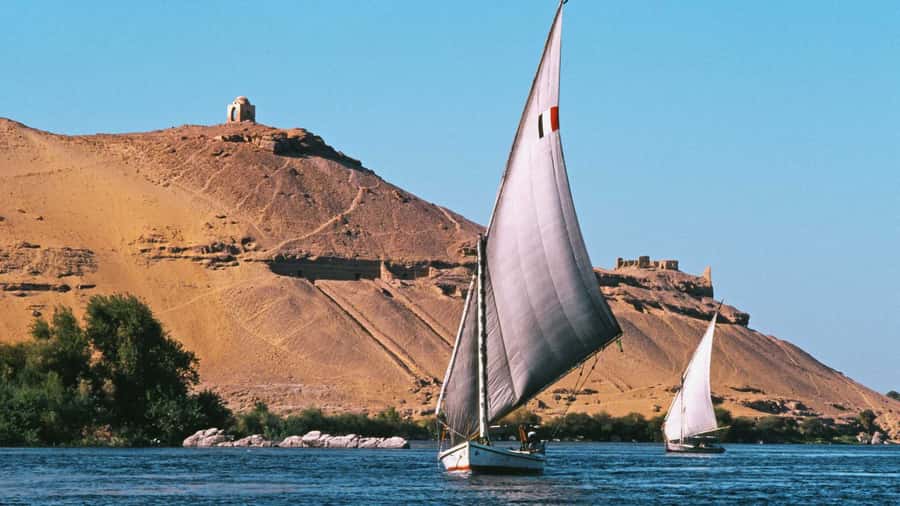
After that, you check in and set sail at around 2:00 PM. The cruise itself is more than transportation. It’s your buffer time, so you’re not dragging from one site to another nonstop. You’ll cruise in the afternoon and arrive at Temple of Kom Ombo for sunset.
Kom Ombo is built around worship of Sobek and Horus. The sunset timing is a big deal because it helps you see the temple with a softer light and less glare. This is the first moment in the trip when you’re likely to think: okay, I’m really on a Nile cruise now.
By the end of the day, the boat continues onward and you’ll be set for an overnight stay around Edfu.
Day 2: Edfu Temple via horse carriage, tea onboard, then Luxor at 7:00 PM
Day 2 starts early enough that you’ll feel like you’re beating the heat (and the crowds). Breakfast comes first, then you move to the Temple of Horus at Edfu.
Before you even reach the temple, there’s a horse and carriage ride. This isn’t just a cute photo stop. It changes the pace. Instead of arriving stressed and rushed, you’re transported into a slower rhythm that suits the temple’s carved storytelling.
Your guided visit focuses on important scenes and inscriptions from the Sacred Drama, which tells of the conflict between Horus and Seth. If you like your history with a narrative thread, this is one of the better parts of the itinerary. The temple carvings stop feeling like random decoration and start reading like a purposeful script.
After the Edfu visit, you return to the cruise ship for afternoon tea while sailing toward Luxor. You’ll also pass through Esna lock, which is a classic cruising moment. Even if you don’t know the technical details, you’ll feel the change in how the river moves and how the boat progresses.
Then it’s a long day, but it ends with arrival at 7:00 PM in Luxor. That timing is great because it gives you enough daylight to see what’s around you without eating your whole evening. You’re also not left scrambling for plans after a full day of temples.
Day 3: Valley of the Kings, Deir El Bahari, Karnak, and Luxor Temple
Day 3 is the heavy-lifter. You’ll start just outside Luxor at the Valley of the Kings, where you explore the Royal Tombs with your guide. This is one of the trip’s anchor experiences. The Valley isn’t just impressive in a big-structure way. It’s intense in a human way, because these tombs were built for specific rulers and specific beliefs.
Next, you go to the Temple of Queen Hatshepsut at Deir El Bahari. Hatshepsut is described here as the first Pharaonic woman to rule Egypt, and that framing is worth remembering as you walk. It keeps you from viewing the temple as a generic “pretty ruin.” You’re seeing a statement of power and legitimacy written in stone.
After Deir El Bahari, you’ll see the Colossi of Memnon facing the Nile. They’re dramatic by design, and even if you’ve seen photos before, standing near them changes the scale.
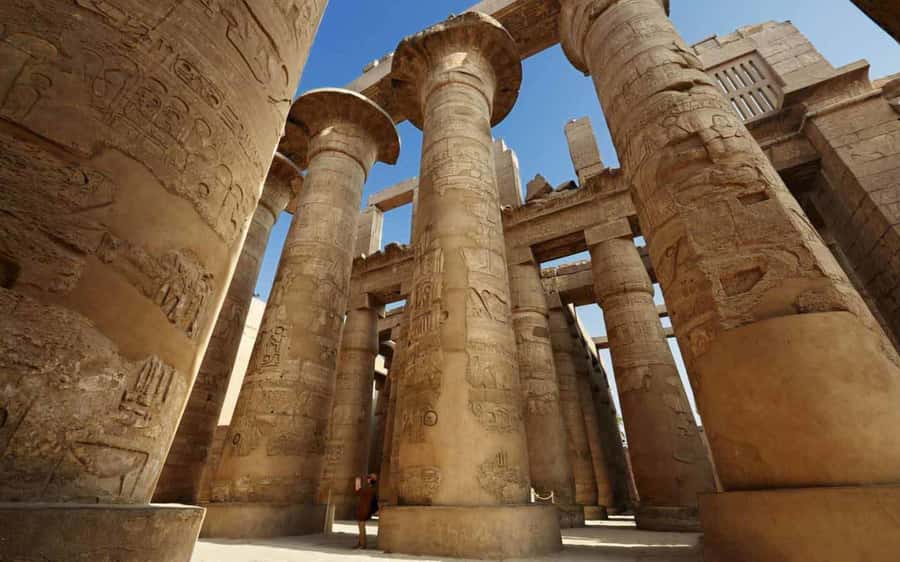
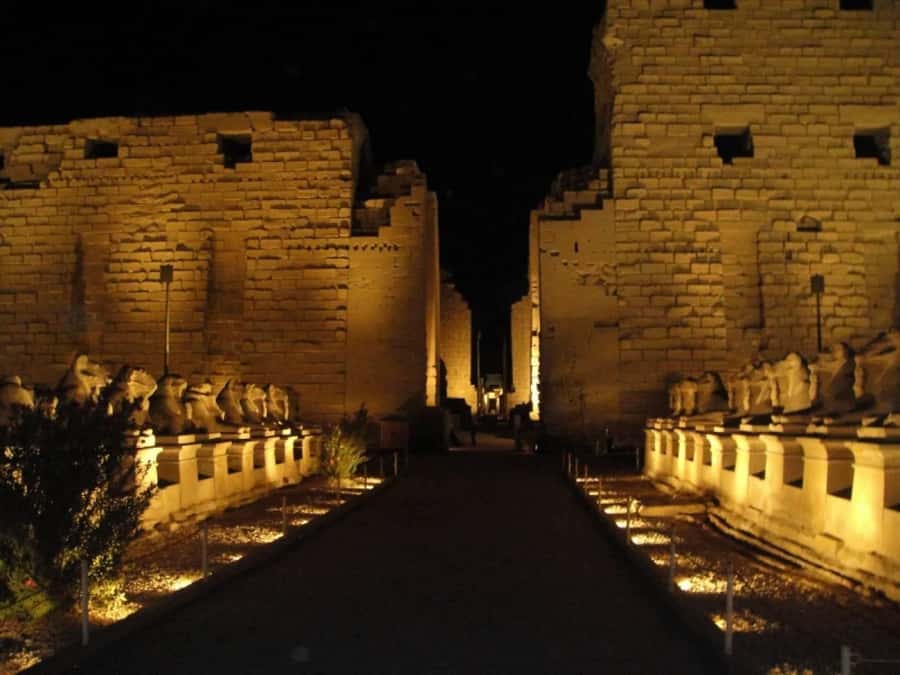
Then you hit Karnak Temple Complex, dedicated to Amun and Mut. Karnak is where you learn why people get overwhelmed. The best strategy is to rely on your guide to pick out what matters. You’ll walk through the Great Hypostyle Hall, and you’ll also hear about a standout historical detail: Karnak includes what’s described as the oldest peace treaty known to historians, signed between the Hittites and Egyptians, with the Egyptian version preserved on a wall in the Temple of Amun at Karnak.
That’s a very specific kind of learning, and it makes Karnak feel less like an endless forest of columns. It becomes a place where history was recorded, not just a place where history happened.
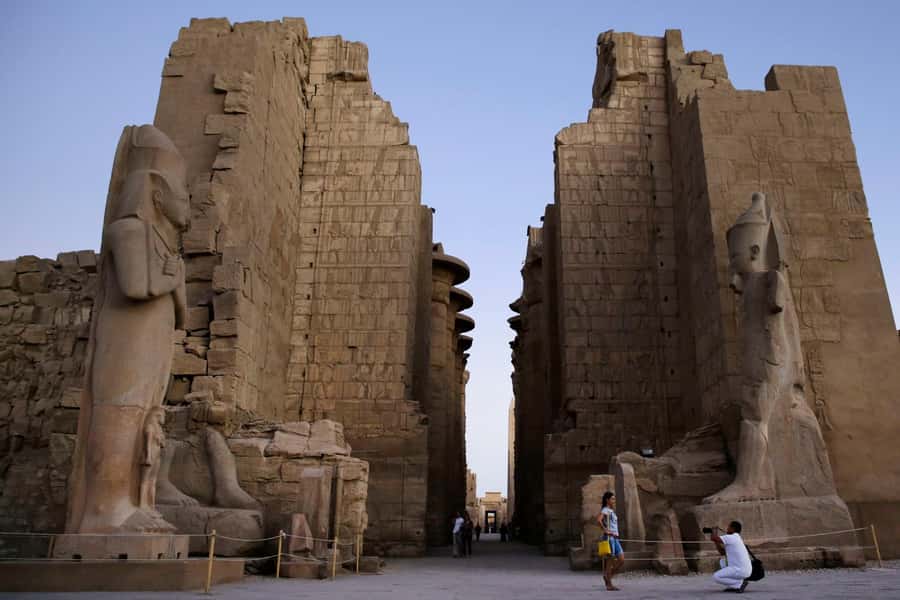
After Karnak, you finish with Luxor Temple and the Obelisk of Ramses II in front of the 1st Pylon. It’s a good wrap-up because Luxor Temple is more “present day readable” as you process the day’s earlier sites. Finally, you’re transferred to the airport or railway station for departure.
The guides: why names like George, Samy, Adel, and Omar matter
This type of cruise works best when someone on the ground can translate what you’re seeing into something you actually understand. That’s exactly what shows up in the strongest praise.
George and Samy come up as helpful, with guides described as friendly, informative, and careful with explanations. Adel is specifically praised for his Luxor guidance, including protection from sellers during temple time. Omar is mentioned as a phenomenal guide on the Aswan side, and even for helping arrange a balloon trip in Luxor.
You’ll also see a pattern: the best guides help you with the small chaos of Egypt. That includes keeping you on track, managing the flow when groups get close, and pointing out details that you’d likely miss if you were self-guiding.
One practical note from the feedback: some people also mention that the ship experience is tied to staff and guide energy. When the guidance is sharp, the whole trip feels smoother.
You can also read our reviews of more guided tours in Luxor
Ship comfort, food, and what you should mentally prepare for
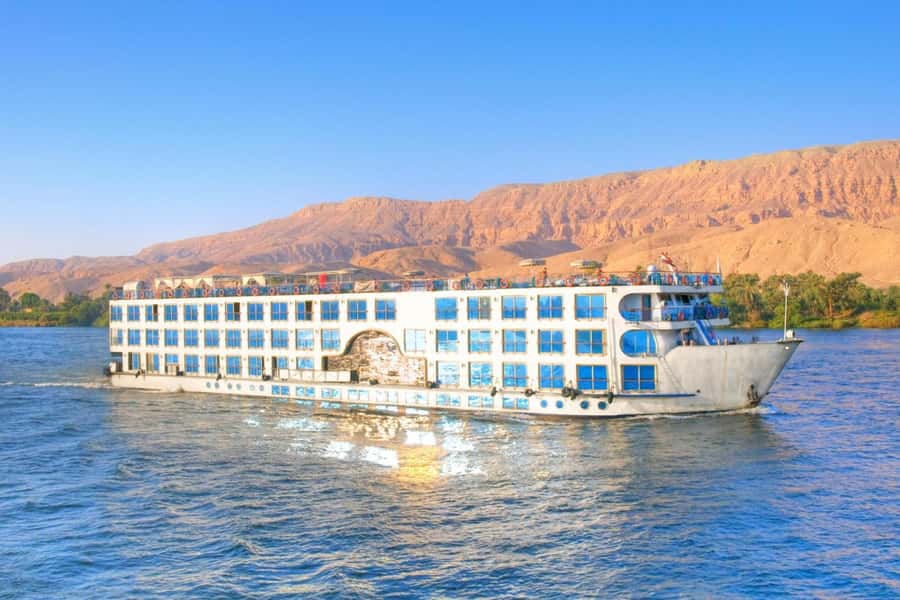
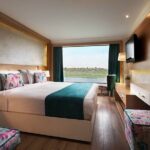
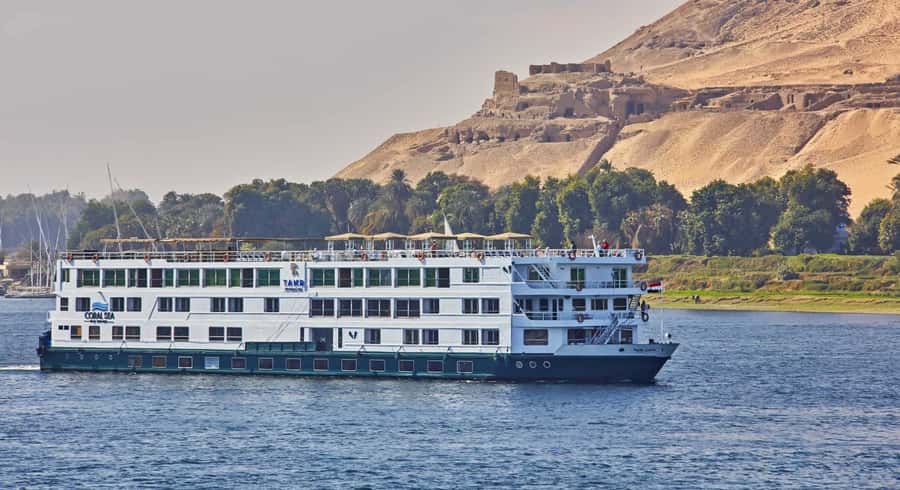
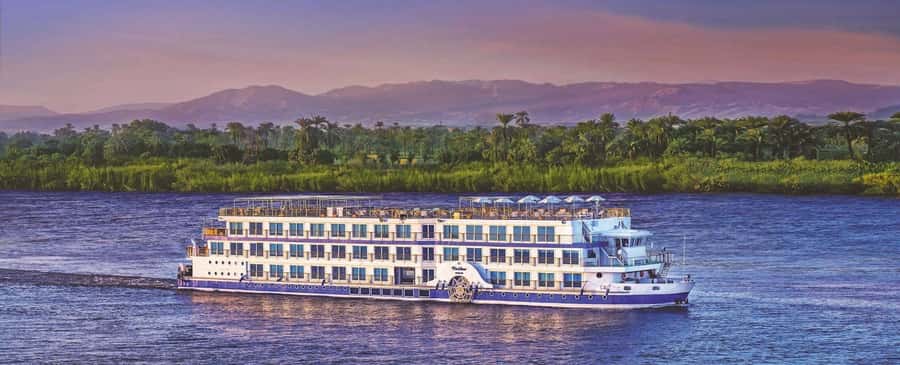
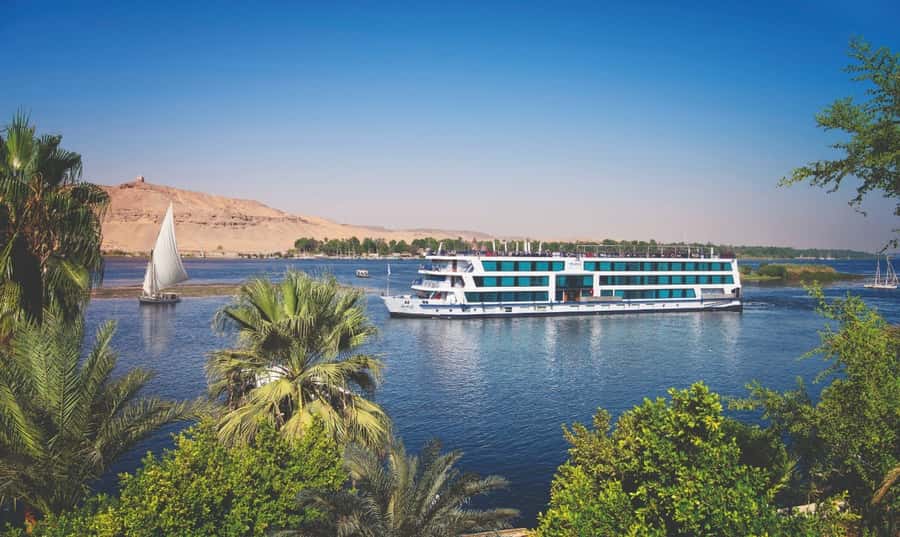
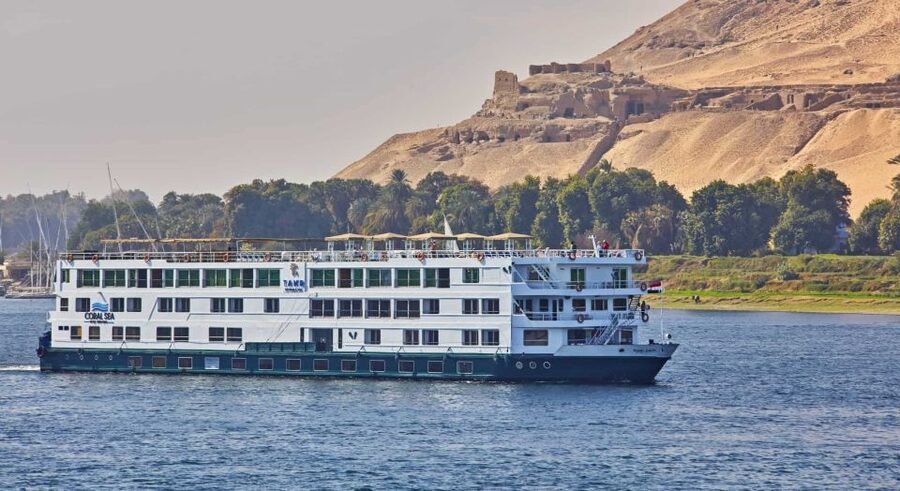
This is marketed as a 5-star Nile cruise, and many reviews speak to a clean ship, good facilities, and friendly staff. Cabins are described as having a good layout, with at least one review calling out strong cabin space and mattress comfort.
Food gets mixed notes, which is totally normal for large-group cruising. Several people say meals were varied with plenty of options. Others call food average or mediocre, and one comment notes challenges for vegetarians. If you’re picky about ingredients, I’d treat this as “solid cruise food,” not fine dining.
Some reviews also mention practical shortcomings, like a lack of certain bathroom amenities. WiFi being unavailable or not free is another theme that can affect travelers who rely on messaging and maps.
So here’s how I’d frame it: the ship is usually a comfortable base between land days, but your real reason to do this tour is the guided history and the sailing pacing—not expecting the onboard experience to be the main event.
Temple crowds and the smart way to handle them
No matter what you book, Luxor and the surrounding sites can get crowded. A couple of the strongest comments mention congestion at the most famous temples, and other feedback suggests crowds are a common feature of similar schedules.
Your best defense is attitude plus timing. Your guide can help by steering you to where you can see key carvings without getting stuck in the thickest bottleneck. It also helps to accept that you won’t have everything to yourself. The upside? When you accept the crowd, you can focus on the details your guide points out.
If you’ve got a camera and you want angles, the good news is that some guides are praised for knowing the right spots for photos. So you’re not just walking through crowds; you’re being guided toward workable views.
Tipping, sellers, and paying attention to the real-world vibe
One thing you can’t ignore on Egypt tours is the social side. Reviews mention frequent conversations about tipping—sometimes in a way that can feel like pressure. Another review says the guide did a good job protecting visitors from sellers, which suggests the best guides actively manage these moments.
Here’s my practical advice: go in with cash for tips and a calm mindset. If tipping conversations start to dominate your day, you can keep it simple and polite. The goal is to stay focused on the monuments, not the money talk.
Also, remember that entrance fees are not included. That’s separate from tipping. Budget for both, and the day-to-day won’t feel stressful.
Who this Aswan to Luxor cruise suits best
This is a strong fit if you want a guided, low-decision trip. You get pickup, lodging, meals, and a clear route with a live English-speaking guide. You’ll also like it if you prefer history with story: Isis at Philae, the Horus-Seth conflict at Edfu, royal tombs in the Valley, Hatshepsut’s role, and Karnak’s treaty detail.
It’s also a decent solo-traveler option because people mention supportive, organized service and help with coordinating other activities in Luxor. If you’re traveling with friends or family, it also reduces logistics stress—you’re not hunting for transport or assembling the day yourself.
If you’re the kind of traveler who needs constant WiFi or expects every ship detail to feel ultra-modern, you may find the onboard experience a mixed match. In that case, focus on the land days and treat the ship as a comfortable base.
Should you book this 3-day Nile cruise?
I’d book this if you want the classic Aswan-to-Luxor route with strong guidance and don’t want to piece together temples and transport day by day. The best part is the combination of major monuments and a guide-led narrative, plus the cruise time that gives you breathing room.
I’d hesitate if you’re on a tight “everything included” budget, because entrance fees, drinks, and WiFi aren’t covered. I’d also be realistic about crowd levels at top sites and about food quality varying by taste (especially for vegetarian diets).
If you do book, come prepared: bring some cash for tips, keep an eye on entrance fees, and plan to let your guide do the heavy lifting at Karnak and the Valley of the Kings. Do that, and this itinerary has enough variety to feel like more than just a checklist.
FAQ
How long is the Aswan to Luxor Nile cruise?
It’s a 3-day experience with 2 nights onboard, cruising from Aswan to Luxor.
What time do they pick you up in Aswan?
Pickup starts at 8:00 AM from your hotel in Aswan.
When does the cruise ship sail on Day 1?
After visiting Philae Temple and the High Dam and checking in, the ship sails at approximately 2:00 PM.
Which major sites do you visit?
You’ll visit Philae Temple, the High Dam, Temple of Kom Ombo, the Temple of Horus at Edfu, the Valley of the Kings, Deir El Bahari (Temple of Queen Hatshepsut), Colossi of Memnon, Karnak Temple Complex, and Luxor Temple.
Is the horse and carriage ride included?
Yes. A horse and carriage ride is included on Day 2 for the trip to the Temple of Horus at Edfu.
What meals are included?
Lunch is included on Day 1 and Day 2. Breakfast is included on Day 2 and Day 3.
Are entrance fees included?
No. Entrance fees are not included.
Are drinks and WiFi included?
No. Drinks and WiFi are not included.
Do you get an English-speaking guide and skip the ticket line?
Yes. The tour includes a live English tour guide, and it includes skip the ticket line.
Is the itinerary different on Mondays?
Yes. On Mondays, the boat sails first day late night or second day (Tuesday) afternoon instead of the first day afternoon, but the company states that tours and sightseeings won’t be affected, and you’ll be dropped off inside Luxor city (east bank of the Nile).
Can I cancel for a full refund?
Yes. Free cancellation is offered up to 24 hours in advance for a full refund.