REVIEW · LUXOR
5 Days Dahabiya Nile River Cruise from Luxor to Aswan
Book on Viator →Operated by Roxana Travel · Bookable on Viator
Temple time, with the Nile as your soundtrack. This 5-day Dahabiya cruise sails you from Luxor to Aswan while stacking the big-name Upper Egypt sites—Valley of the Kings, Karnak, Edfu, Kom Ombo, and Philae—without the stress of constant hotel check-ins.
What I like most is the combination of a private-group feel and an onboard setup built for relaxing between visits. You also get an Egyptologist guide for the excursion days, plus included admission fees and full-board meals, so you can spend less time managing details and more time seeing.
One consideration: tipping isn’t included, and if you want your own room, you’ll need to book as a single person. That can change the final cost more than you might expect when you’re comparing cruise options.
In This Review
- Key highlights you’ll care about
- Luxor to Aswan on a Dahabiya: why the boat style matters
- What’s included feels like less work than it sounds
- Day 1 in Luxor West Bank: Valley of the Kings, Hatshepsut, Karnak
- Valley of the Kings: rock-cut power and stone silence
- Deir el Bahari and Hatshepsut: ambition carved into a masterpiece
- Colossi of Memnon: big shadows, quick win
- Karnak Temple: when “2 hours” feels like too little
- Day 2 Edfu and Gebel el Silsila: Horus worship and a quarry story
- Temple of Horus in Edfu: a strong, readable temple plan
- Gebel el Silsila: the stone source behind famous monuments
- Day 3 Kom Ombo: a double temple with two sides
- Day 4 Aswan essentials: High Dam, Unfinished Obelisk, Philae
- Aswan High Dam: the modern chapter that shaped today’s Nile
- Unfinished Obelisk: when stonework stops mid-story
- Philae Temple: island setting and classic temple drama
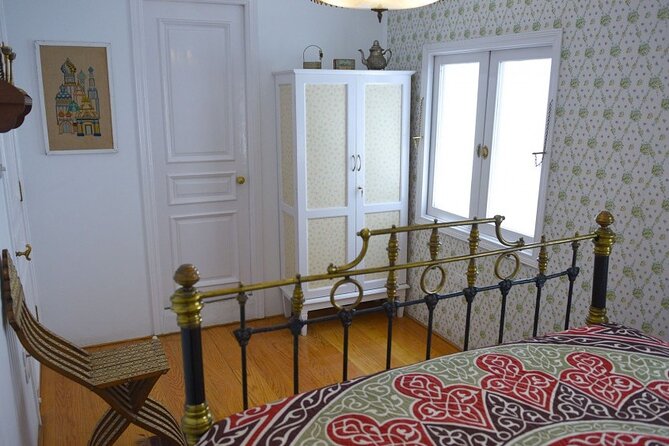
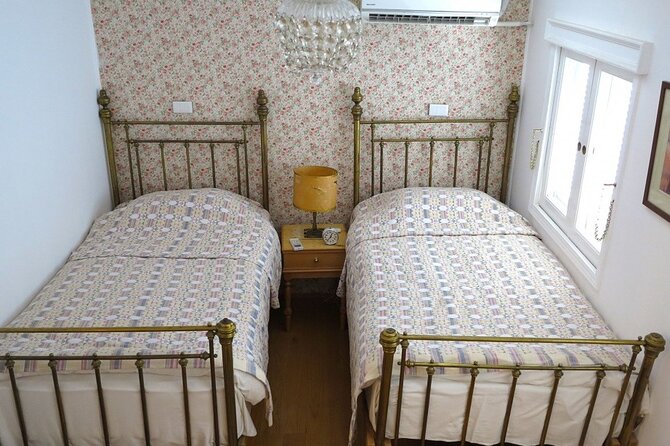
- Onboard comfort and the full-board rhythm you’ll feel
- Food on the river: what included meals really mean
- Price and value: when $1,999.05 actually works
- Who this cruise suits best
- Practical tips that help your days run smoother
- Should you book the 5 Days Dahabiya cruise Luxor to Aswan?
- FAQ
- What time does the experience start?
- How long is the cruise?
- What is included in the price?
- What is not included?
- Is this a private tour?
- If the hot air balloon is canceled due to bad weather, is there a refund?
Key highlights you’ll care about
- Private tour/activity: only your group participates, so the pace tends to feel more controlled.
- 5-star Dahabiya, full-board: 4 nights onboard plus breakfast, lunch, and dinner included.
- Major temple lineup: Karnak, Hatshepsut at Deir el Bahari, Edfu, Kom Ombo, and Philae are all on the route.
- Admission fees included between Luxor and Aswan: you won’t be scrambling for ticket lines mid-trip.
- Extra comfort between stops: air-conditioned deluxe vehicle transfers and onboard assistance are part of the package.
Luxor to Aswan on a Dahabiya: why the boat style matters
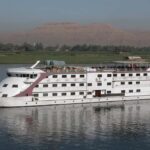
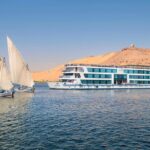
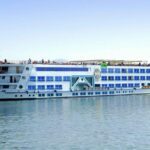
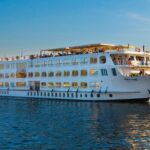
A Dahabiya is built for a slower, more personal Nile experience than the huge floating hotels. With this trip, you’re basically trading everyday logistics for time on the water—waking up to the river rhythm, then stepping into a day of archaeology.
And the layout of your day matters here. You’ll go from temple to temple with a guide, then return onboard for included meals so you’re not hunting for food after long sightseeing blocks. It’s a smart way to keep the energy up without turning the trip into a nonstop grind.
You can also read our reviews of more boat tours in Luxor
What’s included feels like less work than it sounds
On paper, the inclusions are straightforward. In real life, they add up to fewer “surprises”:
- Transfers by modern air-conditioned deluxe vehicle take care of the land legs.
- You get an Egyptologist guide during your journey, plus assistance of personnel during the Dahabiya portion.
- Entrance fees to all sights between Aswan and Luxor are included (so each stop is more likely to run on schedule).
- You’re covered with 4 nights onboard a 5-star Dahabiya on a full board basis, including 4 breakfasts, 4 lunches, and 4 dinners.
This is the kind of package that works best when you want Egypt to feel immersive, not administrative. If you’ve ever lost time negotiating tickets, finding meeting points, or paying “one more fee,” you’ll appreciate how much is bundled.
Day 1 in Luxor West Bank: Valley of the Kings, Hatshepsut, Karnak
Your first day is built around the Luxor West Bank’s strongest hits, and it’s a good place to start because the names alone tell you you’re in New Kingdom territory.
Valley of the Kings: rock-cut power and stone silence
The Valley of the Kings was used for roughly 500 years (from the 16th to the 11th century BC) for pharaohs and powerful nobles. You’ll see why this place felt safer than “just a hill” to ancient rulers: these tombs were carved into rock with purpose, not decoration.
Practical note: it’s an up-close Egypt experience. Plan for uneven surfaces and bring what you need to stay comfortable for a couple of hours of moving around.
Deir el Bahari and Hatshepsut: ambition carved into a masterpiece
Next comes the mortuary temple of Hatshepsut, a standout because it’s not just another ruin—it’s a statement. Built during the reign of Pharaoh Hatshepsut of the Eighteenth Dynasty, the site is famous for its architecture and its commanding position across from Luxor.
This stop works well right after the tomb valley because it flips the mood: from guarded darkness to grand design. You’ll also get a clearer sense of how rulers used stone to project authority.
A few more Luxor tours and experiences worth a look
Colossi of Memnon: big shadows, quick win
The Colossi of Memnon are two enormous stone statues of Amenhotep III. You’re there for a shorter time, but it’s a meaningful “scale check” after more architectural stops.
Even if you only catch them briefly, they help you visualize how colossal ancient projects really were.
Karnak Temple: when “2 hours” feels like too little
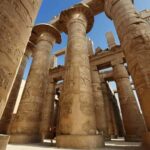
Finally, Temple of Karnak rounds out Day 1. Karnak is a vast complex of temples, pylons, chapels, and other structures near Luxor—more than one building, more like a whole sacred city of stone.
One realistic consideration: Karnak is famous for being massive, so you’ll want to focus. Instead of trying to see everything, pick what you’re most curious about—pillars, processional areas, or the general layout—and let the rest form the background.
Day 2 Edfu and Gebel el Silsila: Horus worship and a quarry story
Day 2 leans into the way religion and construction were tied together in ancient Egypt.
Temple of Horus in Edfu: a strong, readable temple plan
The Temple of Horus in Edfu is built as a major Egyptian temple site on the west bank of the Nile in Edfu. The city itself has layers of history, including a Hellenistic-era identity, but the core experience is Egyptian: the focus on Horus.
A good reason this stop works on a cruise is timing. You’re still fresh from Luxor, and your body hasn’t yet hit the “temples all week” rhythm. You’ll likely get more out of it because you’ll have the energy to pay attention.
Gebel el Silsila: the stone source behind famous monuments
Then you head to Gebel el Silsila, associated with the “golden chain” limestone area used as a quarry. It’s between Edfu and Kom Ombo, about 65 km north of Aswan, and it served as a quarry site from the 18th Dynasty through later New Kingdom construction.
This stop is underrated because it changes your perspective. Instead of only seeing completed temples, you see where stone came from to build legendary places like Karnak temples, Luxor Temple, Medinet Habu, and Kom Ombo. It makes the architecture feel less magical and more engineered.
Day 3 Kom Ombo: a double temple with two sides
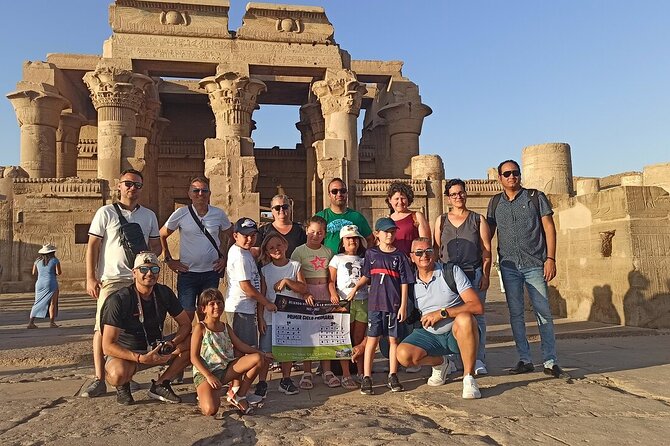
On Day 3 you visit the Temple of Kom Ombo, a site that stands out because it’s a double temple—an unusual design compared with many single-dedication temples.
Built in the Ptolemaic dynasty (180–47 BC) with later Roman additions, it gives you a sense of how Egyptian religious life adapted across dynasties. If you like when a site tells you “this changed over time,” Kom Ombo delivers.
Two hours here is usually enough to see the key zones without rushing. If you’re the type who takes in details slowly, ask your guide to point out what belongs to which era so you don’t just see walls—you see a timeline.
Day 4 Aswan essentials: High Dam, Unfinished Obelisk, Philae
This day transitions your trip from ancient sacred power to modern impact, then back to older sacred sites.
Aswan High Dam: the modern chapter that shaped today’s Nile
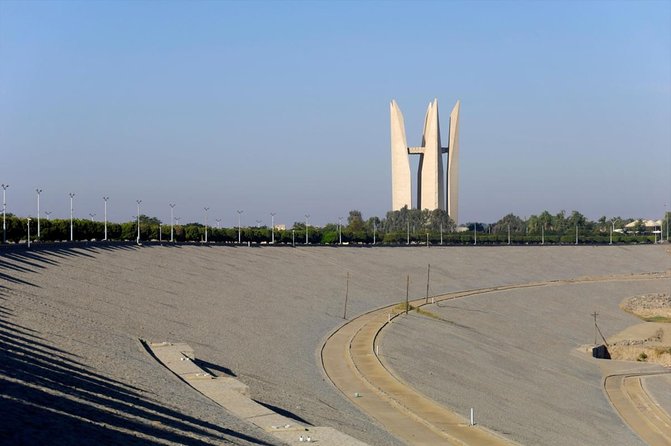
You’ll visit the Aswan High Dam, which was built across the Nile between 1960 and 1970. It’s described as the world’s largest embankment dam, and its significance eclipsed the earlier Aswan Low Dam.
This stop isn’t about ancient carving, but it matters. It helps you understand why the Nile looks and functions the way it does today—and why certain ancient locations needed to be preserved or relocated.
Unfinished Obelisk: when stonework stops mid-story
Then comes the Unfinished Obelisk at Aswan’s stone quarries. It’s noted as the largest known ancient obelisk and was studied by Reginald Engelbach in 1922.
That “unfinished” label is the whole point. You get to see the process behind monumental results—how work began, where it stalled, and what the quarry era looked like on the ground.
Philae Temple: island setting and classic temple drama
Finally, Temple of Philae brings you to one of the most visually memorable sites. Philae is on an island in the reservoir downstream of the Aswan Low Dam, and the temple complex was originally near the First Cataract.
The setting makes a difference. You’re not only looking at carvings—you’re looking out across water that connects the whole story of the Nile. Plan to slow down here and let the island feel sink in.
Onboard comfort and the full-board rhythm you’ll feel
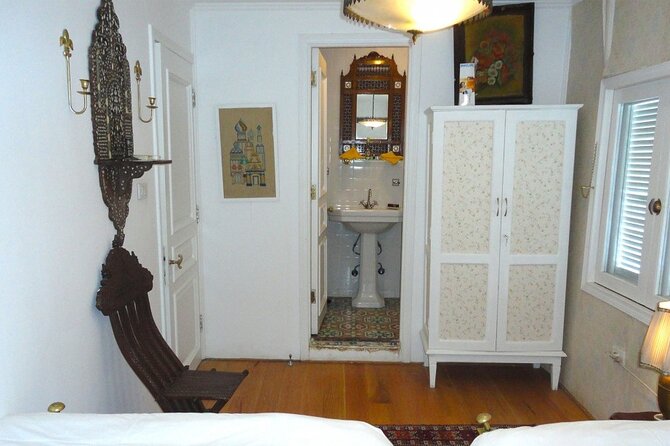
This cruise is set up so you can eat well and recover between big walking days. You’ll be on a 5-star Dahabiya for 4 nights, and meals are included: breakfast (4), lunch (4), and dinner (4).
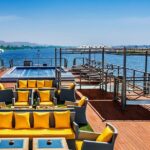
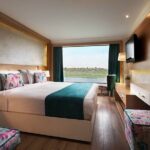
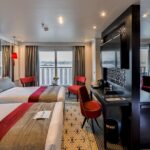
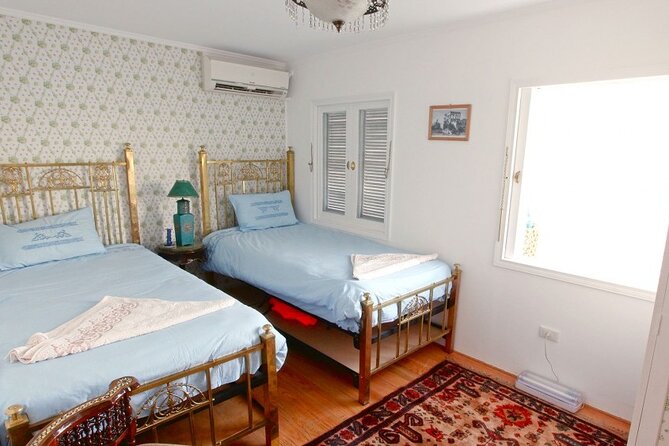
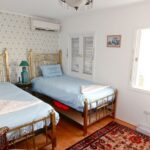
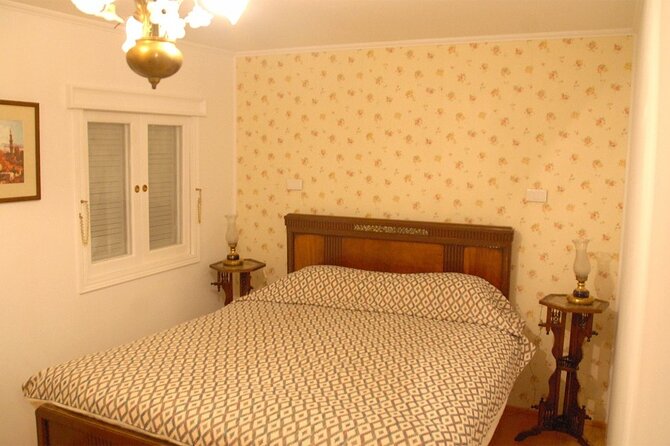
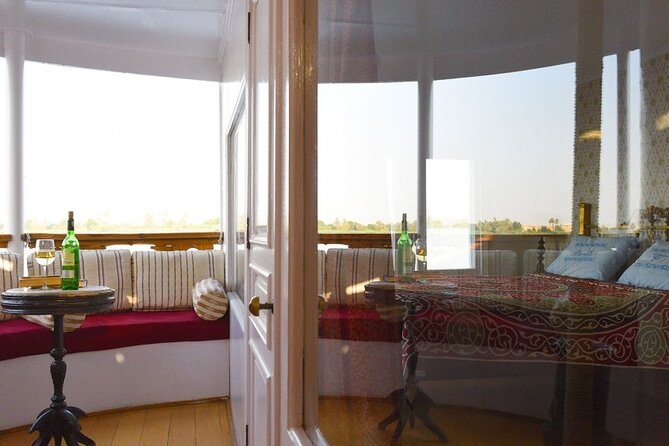
From the way guests describe the experience, the standout is how practical the boat life feels: clean spaces, cozy cabins, and an onboard crew that’s attentive. A cruise like this is also about small moments—like watching the light shift as you sail and catching the night sky from the deck.
If you’re the type who likes photos, this is your best advantage. Temples are daylight-heavy, but the Nile deck gives you softer light for storytelling shots and a quieter vibe when you’re done for the day.
Food on the river: what included meals really mean
Included meals sound like a checkbox. Here, they’re more valuable because your day is temple-heavy. When lunch and dinner are handled, you don’t lose time searching for food or spending extra on convenience.
The onboard meals are described as a highlight, with traditional Egyptian flavors and careful preparation. That matters because it helps you stay present during the trip instead of thinking about logistics between stops.
Price and value: when $1,999.05 actually works
At $1,999.05 per person, you’re paying for an all-in structure: 4 nights onboard a 5-star Dahabiya with full-board meals, an Egyptologist guide, included entrance fees between Luxor and Aswan, and air-conditioned deluxe vehicle transfers.
Is it cheap? No. But it can feel like good value when you count the cost of what you’d otherwise pay separately: admissions, guide time, internal transfers, and the boat accommodations.
Where the cost can swing:
- Solo travelers: if you want your own room, you’ll need to book as a single person.
- Peak dates: there’s an additional fee during Christmas/New Year/Easter season (noted for late Dec to early Jan).
- Tipping: not included, so budget for that.
Who this cruise suits best
This is a great fit if you want:
- A Luxor-to-Aswan route without constant hotel changes.
- A mix of major monuments and a few “process” stops (like the quarry and the unfinished obelisk).
- Guided context from an Egyptologist so you can actually connect the dots between sites.
It’s less ideal if you hate structured days or prefer total freedom with no planned excursions. Here, the value is in the schedule and included admissions.
Practical tips that help your days run smoother
A few grounded tips based on how this type of trip works:
- Wear shoes you trust. You’ll be walking on temple floors and uneven outdoor surfaces.
- Bring sun protection. Egypt’s brightness makes short stops feel longer if you’re unprepared.
- Plan your pacing inside big sites. Karnak can feel endless unless you choose what you want to focus on.
- Ask your guide to point out what changed over time. Kom Ombo’s double-temple story and the quarry stop both reward attention.
- Budget for tipping. It’s not included, so don’t treat it as optional math.
If you’re considering an optional hot air balloon experience, note that if it’s canceled due to bad weather, there’s a $25 per person refund.
Should you book the 5 Days Dahabiya cruise Luxor to Aswan?
If you want one trip that covers Upper Egypt’s biggest archaeological stops and lets you rest properly on the Nile, this cruise checks a lot of boxes. The combination of private-group participation, a dedicated Egyptologist guide, and included boat nights plus meals is what makes it feel cohesive rather than rushed.
I’d book it if:
- You’re excited about temples and tombs but don’t want to manage tickets and transfers on your own.
- You value a smaller, more personal cruise feel over big-ship chaos.
- You’re comfortable with a full day of sightseeing followed by downtime onboard.
I’d think twice if:
- You want totally unstructured free time every day.
- You’re very sensitive to additional costs like tips and solo-room requirements.
For most people planning a first (or second) serious Egypt trip, this is a strong, practical way to experience Luxor and Aswan as a connected story—stone, water, and time.
FAQ
What time does the experience start?
The start time is 12:00 pm.
How long is the cruise?
It’s about 5 days, with 4 nights onboard.
What is included in the price?
Included are transfers by air-conditioned deluxe vehicle, excursions as mentioned, an Egyptologist guide, assistance during the Dahabiya cruise, entrance fees to sights between Aswan and Luxor, and accommodation for 4 nights onboard a 5-star Dahabiya on a full board basis with 4 breakfasts, 4 lunches, and 4 dinners, plus all fees and taxes.
What is not included?
Tipping, any extras not mentioned in the program, and personal expenses are not included.
Is this a private tour?
Yes. It’s private—only your group will participate.
If the hot air balloon is canceled due to bad weather, is there a refund?
Yes. If the hot air balloon is canceled due to bad weather, you’ll be refunded $25 per person.