REVIEW · LUXOR
5 Days Nile River Cruise from Luxor to Aswan – With Private Excursions
Book on Viator →Operated by Bastet Travel · Bookable on Viator
A Nile cruise beats the usual hop-on hop-off slog. You get the big monuments and the boat time between them, without wrestling taxis all day. I like that this trip is private with a dedicated English-speaking Egyptologist, and I also like that many admission tickets are included, so the day-to-day costs stay under control. One consideration: with so many temples packed in, expect long active days on shore, with limited downtime if you’re the type who wants to wander slowly.
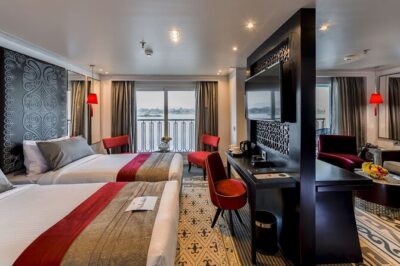
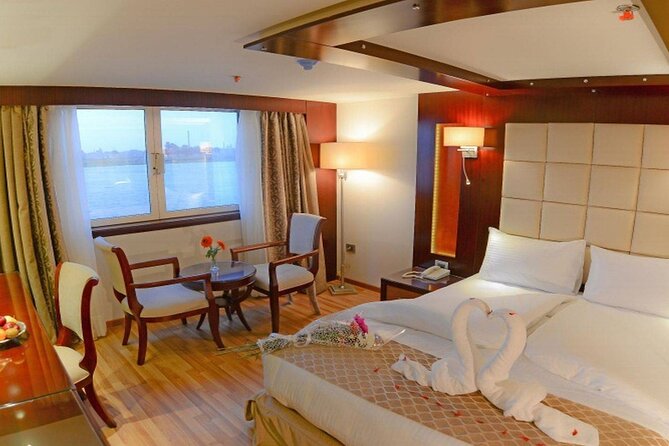
Luxor sets the tone with the east-bank classics, then you roll into the famous royal sites of the west bank. Aswan adds a different flavor: boat rides, island temples, and the High Dam. Past guests describe the experience as very well-run, including clean cabins with a nice view, fresh onboard meals, and an Egyptologist guide named Mohamoud who was kind, respectful, and made sure everything ran smoothly.
This is also a “you’ll want comfy shoes” kind of cruise. Stone steps, museum floors, and sun are part of the deal. If you’re sensitive to heat or crowds, plan your best pacing with your guide and bring sun protection early, not at the last second.
In This Review
- Key highlights to know before you go
- Why a Luxor-to-Aswan Nile Cruise Works Better Than Day Trips
- Your Private Egyptologist Guide and Included Tickets (What It Means in Real Life)
- Day-by-Day: Luxor Temple, Karnak, and the West Bank Royal Sites
- Day 1: Luxor Temple and Karnak Temple Complex
- Day 2: Valley of the Kings, Hatshepsut’s Temple, and Colossi of Memnon
- The Edfu and Kom Ombo Temples You’ll Remember for Years
- Temple of Horus in Edfu
- Kom Ombo: A double temple for two gods
- Aswan by Boat: Philae, the High Dam, and the Unfinished Obelisk
- High Dam and motor boat to Philae
- Unfinished Obelisk
- The Final Morning in Aswan and the Optional Abu Simbel Add-On
- Price Check: Does $850 Per Person Deliver Real Value?
- Who This Cruise Fits Best (and Who Might Want Another Style)
- Should You Book This 5-Day Private Nile Cruise with Bastet Travel?
- FAQ
- How long is the Nile River cruise from Luxor to Aswan?
- What is the price per person for this tour?
- What is included in the tour price?
- Are airport transfers included?
- Is this tour private or shared?
- Which major sites are visited during the cruise?
- Is Abu Simbel included or optional?
- Do I need to pay extra fees during peak holiday dates?
Key highlights to know before you go
- Private Egyptologist guide: English-speaking, and focused on history and what you’re looking at
- Included entry tickets: Many major sites are covered so you’re not constantly paying at each stop
- Luxor-to-Aswan flow: Luxor → Edfu area → Kom Ombo → Aswan, with sailing in between
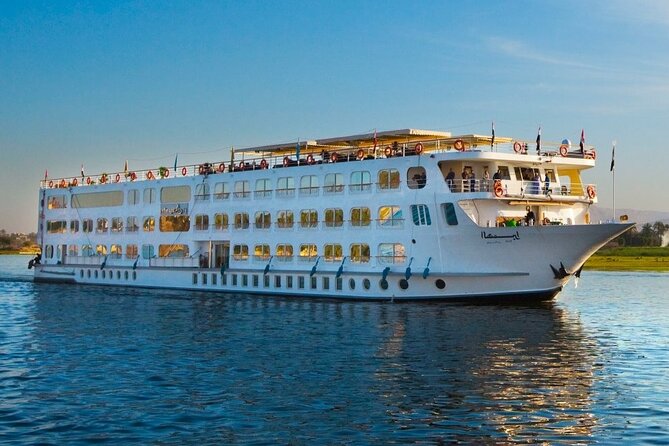
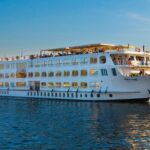
- Onboard comfort included: 4 nights on a 5 deluxe Nile cruise with meals, bottled water, and daily water
- Aswan by boat: Motor boat time to reach Agilika Island and see Philae
- Optional Abu Simbel: You can add it on the final day if you want the extra star attraction
Why a Luxor-to-Aswan Nile Cruise Works Better Than Day Trips
The biggest win here is rhythm. You’re not commuting back and forth between hotels and sites. Instead, you sleep on the Nile, eat onboard, and then get taken to the day’s monuments with a guide. That means less time figuring out routes and more time actually looking at what matters—carved walls, temple layouts, and tomb geography.
Luxor and Aswan are both concentrated with major sites, but they’re far enough apart that DIY travel usually turns into a chain of long transfers. This cruise neatly compresses the whole route into 5 days / 4 nights on the ship, while still giving you on-shore tours at multiple stops. You also get included transfers—Luxor airport to the cruise, and then Aswan airport drop-off—so the start and finish aren’t a headache.
Value-wise, this works because so much is already bundled: accommodation on the cruise, onboard meals, bottled water, and the guided visits. You still need to budget for tipping, and you may face a peak-season extra fee if you’re traveling around Christmas and New Year. But for many travelers, having fewer unknowns on the budget is the real luxury.
You can also read our reviews of more boat tours in Luxor


Your Private Egyptologist Guide and Included Tickets (What It Means in Real Life)
A private guide changes how you experience the temples. With a dedicated Egyptologist, you can ask questions and keep the story connected instead of hearing history chopped into five-minute answers. In practical terms, it also helps you move efficiently at the sites you’re visiting—especially where there’s a lot to see and it’s easy to get lost in the details.
This tour also includes admission tickets for several big stops, including Luxor Temple, Karnak, Valley of the Kings, Hatshepsut’s temple at Deir el Bahari, Horus Temple in Edfu, Kom Ombo, and Philae. That matters because temple fees and entry logistics can add up fast when you’re piecing together separate tours.
Onboard, you’re not just paying for transportation. You get breakfast, lunch, and dinner for the scheduled days (listed as 4 breakfasts, 4 lunches, and 4 dinners), plus water. The summary also notes Internet included, which is handy when you want to upload photos without hunting for a connection later.
One more practical note: this is “private tour/activity,” meaning only your group participates. That generally makes the schedule feel calmer and less rushed than large group tours.
Day-by-Day: Luxor Temple, Karnak, and the West Bank Royal Sites
Your first days are classic Thebes: temples on the east bank, then the dramatic royal burial landscape on the west bank.
Day 1: Luxor Temple and Karnak Temple Complex
You start with Luxor Temple, a major temple complex built around 1400 BCE. It’s big, but what makes it rewarding is that you can actually connect its layout to how temples function. Then you move to Karnak, a massive compound of pylons, chapels, and temple sections packed together near Luxor. The time on-site is listed as about 2 hours for each, which is a comfortable pace if you want to see key areas without feeling like you’re sprinting.
If you’re the kind of traveler who likes to photograph stone details, this day gives you plenty of texture: columns, gateways, and carved surfaces that look different as the light shifts.
Day 2: Valley of the Kings, Hatshepsut’s Temple, and Colossi of Memnon
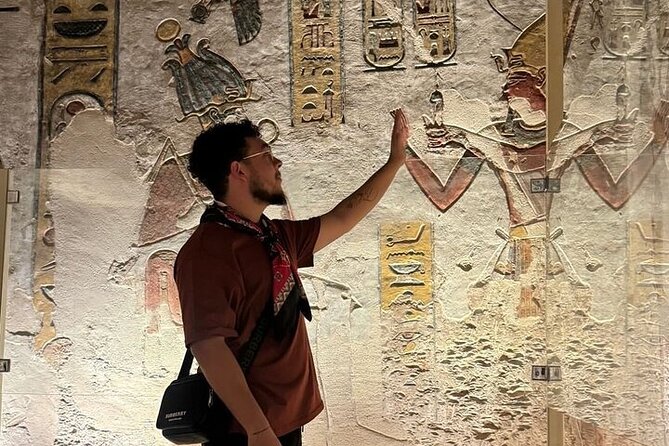
After breakfast onboard, the focus turns to the west bank. You’ll visit the Valley of the Kings, where royal tombs were carved in the New Kingdom era (rock-cut tombs excavated for pharaohs and powerful nobles). Even without going into every tomb in detail, just standing in the setting helps you understand why this location became the royal cemetery.
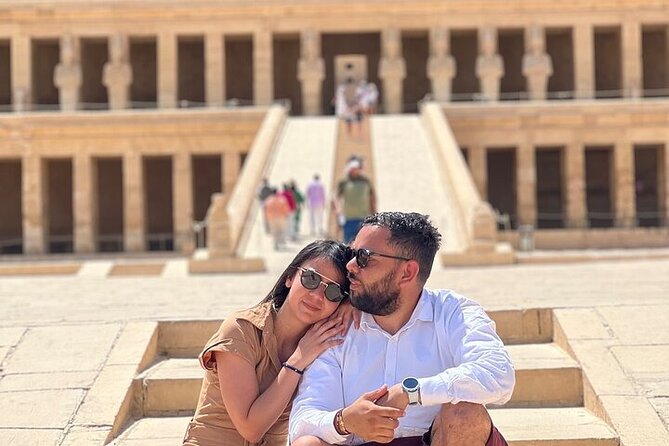
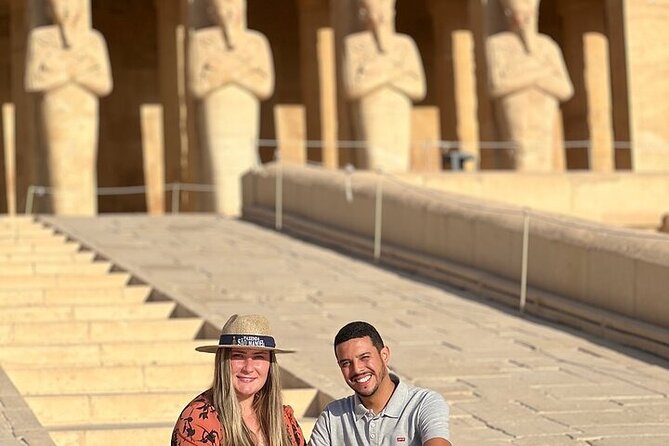
Then it’s Hatshepsut’s temple at Deir el Bahari, famous for being carved into the mountain. It’s one of those sites where the architecture makes the story clearer. You also visit the Temple of Queen Hatshepsut as listed, plus the route includes the Colossi of Memnon, belonging to Amenhotep III. It’s hard to miss these colossal statues—less about subtlety, more about scale.
This is also where you should pace yourself. Walking, sun, and the mental load of absorbing so much history can add up. Bring water from what’s provided onboard, use sun protection, and don’t try to absorb everything at once. Let the guide slow you down at the best points.
You can also read our reviews of more private tours in Luxor
The Edfu and Kom Ombo Temples You’ll Remember for Years
As you move along the Nile corridor, the scenery changes from the Luxor-heavy feel into temple towns that feel more focused and specific.
Temple of Horus in Edfu
On the day that starts with breakfast onboard, you visit the Temple of Horus in Edfu. It’s described as one of Egypt’s best-preserved temples, and that matters because preservation changes what you can actually see and understand. Instead of guessing at missing details, you can take in how the spaces and carvings relate.
The day is structured so you tour Edfu, then head back to the ship. Lunch is served onboard during the sailing to Kom Ombo, which is a smart rhythm. You don’t lose the whole day to transit and you get a proper break between major sites.
Kom Ombo: A double temple for two gods
Later, you explore Kom Ombo’s Temple of Kom Ombo, a “double temple” dedicated to two gods: Sobek and Haroeris. It’s built during the Ptolemaic dynasty (with later Roman additions). If you like temples with a clear concept behind their layout, this is a strong stop. You’ll be looking at how the space works for two divine identities in one complex.
Practically, Kom Ombo is where the Nile itself becomes part of the experience. The day includes time back onboard with the option to relax—sun deck time is built into the flow—so you can take a breather after two temple stops in one day.
Aswan by Boat: Philae, the High Dam, and the Unfinished Obelisk
Aswan is where the cruise shifts from temple intensity to a wider view of Egypt’s relationship with the Nile.
High Dam and motor boat to Philae
Breakfast onboard sets up the day with Aswan’s High Dam and then a motor boat ride to Agilika Island, where you visit Temple of Philae. Philae is described as part of the island temple complex that was dedicated to Isis (mother of Horus), with the temple erected in the Gaeco-Roman period.
Here’s why this stop feels different: Philae is on an island setting, and your boat travel gives you a sense of how the temple connects to the water and the valley. It’s not just “another temple.” The setting helps the story land.
Unfinished Obelisk
You also visit the Unfinished Obelisk, made of red granite and dedicated to Amun Ra. Even if you don’t know every symbol yet, an unfinished monument is a powerful way to see how ancient Egypt built—showing materials and preparation rather than only the finished result.
This day is a good match for travelers who like variety: you’ll cover modern infrastructure (the High Dam) and ancient sacred architecture (Philae and the obelisk). It gives your brain a rest from only thinking in one era.
The Final Morning in Aswan and the Optional Abu Simbel Add-On
On the last day, you check out after breakfast. You’ll then be taken to Aswan airport for your flight to Cairo. The structure keeps the ending neat, with a representative accompanying you to the airport.
If you want the big extra cultural payoff, there’s an optional excursion to Abu Simbel. The key point is that it’s optional, so you can decide based on your energy level and your interest in adding one more heavy-hitter site.
For many people, Abu Simbel is tempting because it feels like a once-in-a-lifetime stop. If you do add it, plan for an even more packed schedule that day. If you skip it, you’ll end the cruise feeling less rushed and more ready for Cairo.
Price Check: Does $850 Per Person Deliver Real Value?
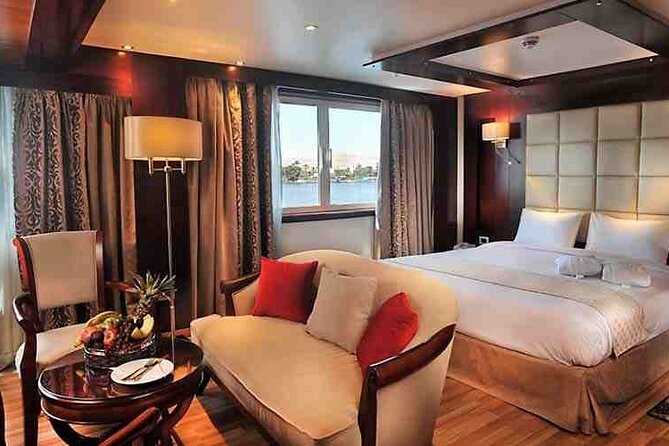
At $850 per person, you’re paying for a full 5-day experience with 4 nights onboard, daily meals, water, English-speaking guidance, and transfers. What makes it better than piecing it together is that many core entries are already included, like Luxor Temple, Karnak, Valley of the Kings, Hatshepsut’s temple, Edfu’s Horus Temple, Kom Ombo, and Philae.
You’re also not doing the transfers alone. The tour includes meet-and-assist by English-speaking representatives and uses A-C vehicles with qualified drivers for local movement. That reduces the “logistics tax” you often pay when you DIY.
The trade-offs:
- Tipping isn’t included, so you’ll need to set aside money for guides, drivers, and cruise staff.
- There may be an additional $250 fee during Christmas and New Year peak period.
- This is a private tour, so if you’re traveling solo, the per-person cost may feel high compared with larger-group deals. Still, you’re paying for privacy and dedicated Egyptologist time.
If you’re comparing alternatives, price the real day costs: private car + guided site visits + multiple entry tickets + hotel stays + meals + river transport. When you total it up, the cruise-style bundling starts to look like a smarter buy.
Who This Cruise Fits Best (and Who Might Want Another Style)
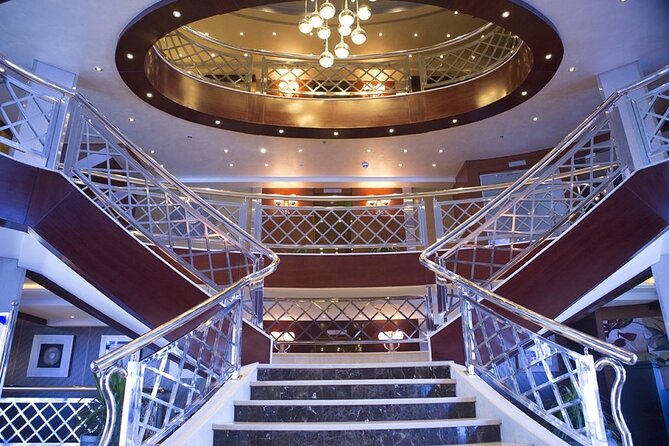
This cruise fits best if you want a clear, high-comfort plan and you don’t want to micromanage Egypt logistics. It’s also ideal if you enjoy learning from an Egyptologist guide while you’re standing in front of the carvings.
It’s a solid choice for couples and small groups—especially because the tour is private and only your group participates. If you like asking questions, this format makes that easier than in a crowded group.
The main drawback for some people is pace. Temple days can be tiring, even with breaks and onboard meal time. If you prefer slower travel with lots of free hours, you may find the scheduled stops feel dense.
Also, bring realistic expectations for Egypt heat and sun. Most travelers can participate, but you’ll still want good shoes and sun protection.
Should You Book This 5-Day Private Nile Cruise with Bastet Travel?
If you want one trip that hits the big Nile monuments without turning your vacation into a logistics project, I’d book it. The combination of private Egyptologist guidance, included site admissions, and onboard meals makes it feel like you’re buying time and peace of mind as much as you’re buying sightseeing.
I’d think twice only if you strongly dislike structured schedules or you’re trying to travel ultra-budget with zero tipping. And if your dates fall near Christmas/New Year, double-check the $250 peak-season fee so there are no surprises.
If you’re looking for value that still feels personal, this is a good bet—and with a guide like Mohamoud highlighted as kind and attentive in past experiences, you’re set up for a smoother, more meaningful time on the Nile.
FAQ
How long is the Nile River cruise from Luxor to Aswan?
It runs for about 5 days, including 4 nights onboard the cruise.
What is the price per person for this tour?
The price is $850.00 per person.
What is included in the tour price?
Included items listed are 4 nights’ accommodation on board a 5 deluxe Nile cruise (based on FB basis), meet and assist by English-speaking representatives, a private Egyptologist English-speaking tour guide, daily bottled water, meals (4 breakfasts, 4 lunches, 4 dinners), and transfers by A-C vehicles, plus local taxes and services.
Are airport transfers included?
Yes. There is a hassle-free Luxor airport transfer to the cruise, and an Aswan airport drop-off is included.
Is this tour private or shared?
It’s private. Only your group will participate.
Which major sites are visited during the cruise?
Stops include Luxor Temple and Karnak, Valley of the Kings and Hatshepsut’s temple (Deir el Bahari), Edfu’s Temple of Horus, Kom Ombo Temple, and Philae, plus visits in Aswan such as the High Dam and the Unfinished Obelisk.
Is Abu Simbel included or optional?
Abu Simbel is listed as an optional excursion.
Do I need to pay extra fees during peak holiday dates?
Yes. During Christmas and New Year there is an additional fee of USD 250.