REVIEW · LUXOR
5 Days Dahabiya Nile River Cruise from Luxor to Aswan
Book on Viator →Operated by Roxana Travel · Bookable on Viator
Nile time feels slower, and that’s the point. A 5-day Dahabiya Nile cruise from Luxor to Aswan gives you a more personal pace while you hit the big-name ancient sites—Valley of the Kings, Karnak, Edfu, Kom Ombo, and Philae—over 4 nights onboard.
I especially like two things. First, the trip is built around an Egyptologist guide, with history explanations tied to what you’re actually looking at (including guidance from names like Mohamed Eldahesh and Ahmed). Second, the Dahabiya rhythm lets you move between major temples without feeling like you’re constantly sprinting through the day.
One thing to plan for: the itinerary is packed with admissions and walks, so you’ll want comfortable shoes and a calm attitude toward long sightseeing days. Also note that tipping isn’t included, so budget a little extra for that.
In This Review
- Key takeaways
- Dahabiya Cruise Vibes: Why This Style Feels Better
- Price and Value: What $1,999 Buys (and What to Watch)
- Day 1 in Luxor: Valley of the Kings, Hatshepsut at Deir el Bahari, Karnak
- Day 2: Edfu’s Temple of Horus and Gebel el Silsila’s Quarry Mystery
- Day 3: Kom Ombo’s Double Temple and the Feeling of Two Worlds
- Day 4: Aswan High Dam, the Unfinished Obelisk, and Philae Island Temple
- Day 5: Breakfast, Disembarkation, and Getting Off to Aswan
- Who This Cruise Is For (and Who Should Reconsider)
- What’s Included (So You Don’t Waste Time Planning)
- Small Details That Matter: Guides, Groups, and Timing
- Should You Book This Luxor to Aswan Dahabiya Cruise?
- FAQ
- What sites are included on the Luxor to Aswan itinerary?
- How long is the Dahabiya cruise package?
- Is an Egyptologist guide included?
- Does the price include entrance fees and meals?
- Are transfers included?
- Is tipping included in the price?
Key takeaways
- Luxor to Aswan in 5 days / 4 nights with daily temple touring
- Egyptologist-led visits at Karnak, Valley of the Kings, Edfu, Kom Ombo, and Philae
- Entrance fees included for sights between Aswan and Luxor
- Aswan highlights built in: High Dam, Unfinished Obelisk, and Philae Temple
- Air-conditioned private vehicle transfers keep things moving smoothly
- Private group format: it’s only your group on the tour activity
Dahabiya Cruise Vibes: Why This Style Feels Better
If you’re used to big ships with constant motion and crowds, a Dahabiya can feel like a reset button. The main difference is the scale. You’re not just passing through Egypt’s best ancient stops—you’re watching the Nile travel by at a human pace.
I like that the day is structured with real sightseeing time, then balanced with onboard downtime. That matters because temples take energy: standing in open-air courtyards, walking between halls, and concentrating on symbols and stories. A smaller cruise setting makes it easier to actually process what you’re seeing instead of treating it like a checklist.
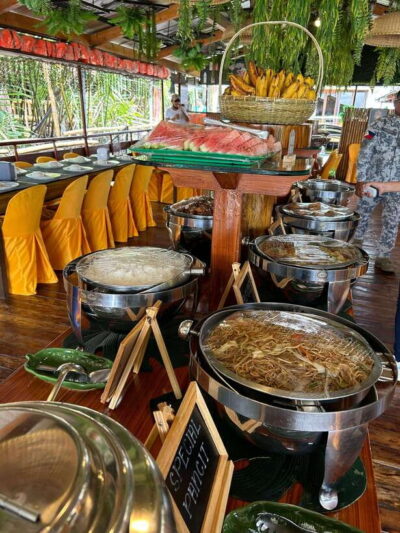
Your package also includes full-board meals (4 breakfasts, 4 lunches, 4 dinners), so you’re not constantly hunting for food between stops. And because transfers happen by modern air-conditioned deluxe vehicle, you’re not spending your energy on the logistics part of the day.
You can also read our reviews of more boat tours in Luxor


Price and Value: What $1,999 Buys (and What to Watch)
At $1,999 per person, this isn’t a budget trip. But when I look at the components, the value starts to make sense.
You’re paying for:
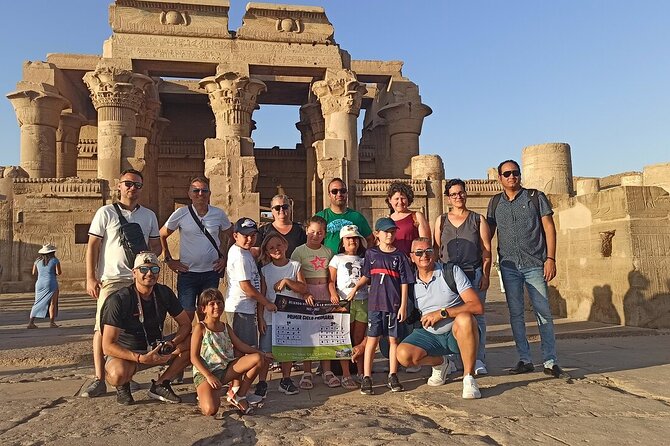
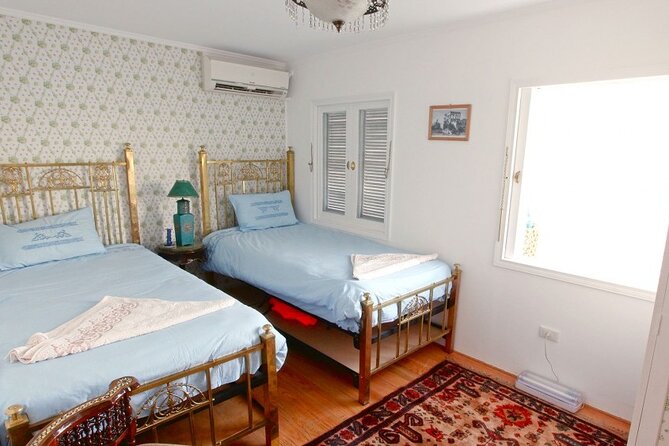
- 4 nights onboard on a 5-star Dahabiya with full-board meals
- Egyptologist guidance during your journey
- Entrance fees included for the included sights between Aswan and Luxor
- All transfers via air-conditioned deluxe vehicle
- All fees and taxes (so fewer surprises)
Also, this is a private tour/activity in the sense that only your group participates. That’s a big deal in Egypt, where shared tours can mean you wait for people to catch up or you get stuck in someone else’s pace.
What to watch: tipping and personal expenses aren’t included, and you’ll likely feel the day-to-day intensity of visiting multiple major sites. If you’re the type who wants one big monument per day and long rests in between, this may feel busy.
Day 1 in Luxor: Valley of the Kings, Hatshepsut at Deir el Bahari, Karnak
Day 1 is the kind of opening day that makes you sit back at night and think, wow, that was real. You start at the Valley of the Kings, where rock-cut tombs were excavated for pharaohs and powerful nobles during the New Kingdom (roughly 16th to 11th century BC). The site’s name—Valley of the Gates of the Kings—fits the feeling. You’re moving through a landscape built for secrecy, power, and afterlife beliefs.
Next comes the Temple of Hatshepsut at Deir el Bahari. This mortuary temple is tied to one of Egypt’s most striking reign stories—Pharaoh Hatshepsut of the 18th Dynasty. Expect the architecture to be the star: the placement and design are part of the message.
You’ll also stop at the Colossi of Memnon, two massive statues of Amenhotep III. It’s a shorter stop, but it’s a good palate cleanser between longer temple sections.
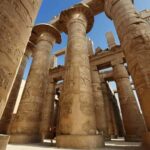
Then you end with Karnak Temple Complex. Karnak is a huge patchwork of pylons, chapels, temples, and older remains, all in one place near Luxor. The practical value here is that you see how the site grew and changed over time, instead of imagining ancient Egypt as one fixed style.
What to consider on Day 1: this is where you’ll feel the walk-and-stand time the most. If you want photos, plan your comfort first—then look for angles and details.
Day 2: Edfu’s Temple of Horus and Gebel el Silsila’s Quarry Mystery
Day 2 shifts you away from Luxor and toward Edfu, with two very different kinds of ancient experience.
First is the Temple of Horus in Edfu. Horus was a major god, and the temple is on the Nile’s west bank in Upper Egypt. One reason this stop works well on a cruise itinerary is that the temple itself gives you a full, structured feel—courtyards and halls that reward slowing down.
Then you visit Gebel el Silsila, the “golden chain” area known as a historic quarry site. The interesting bit here is that this wasn’t just a place of buildings—it was a place of materials. The quarry location sat on both sides of the Nile and was used from the 18th Dynasty through the New Kingdom period for major constructions, including temples connected to names you’ll see later in the trip (like Karnak, Luxor, Medinet Habu, and even Kom Ombo).
Practical tip for this day: quarry sites can feel less dramatic at a distance, but once you look for stone-work remnants and why the place mattered, it clicks. Your Egyptologist can help you connect the dots fast.
Day 3: Kom Ombo’s Double Temple and the Feeling of Two Worlds
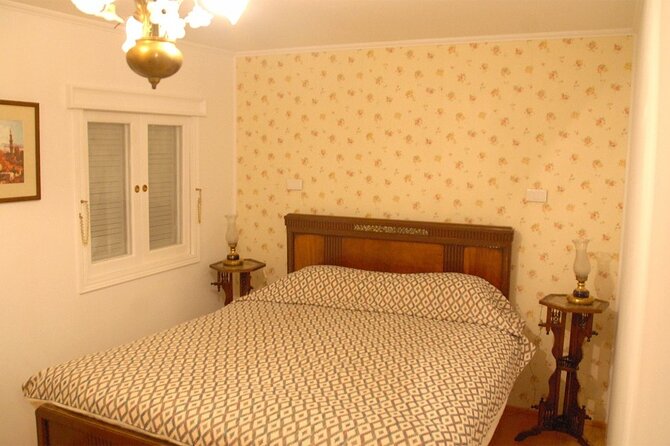
On Day 3 you arrive at Kom Ombo Temple, famous for being a double temple—designed with two sets of spaces and traditions under one roofline of stone. It was built during the Ptolemaic dynasty (180–47 BC), with later additions from the Roman period.
Why I think Kom Ombo is a strong middle-of-the-cruise stop: it’s not just another temple. You can feel the layering of time here—one civilization’s plan shaped by later edits, which keeps the architecture from feeling frozen in the past.
A double temple concept also makes your guide’s commentary more useful. Instead of one storyline, you get multiple threads running side-by-side. It’s the kind of site where you start noticing how ancient Egyptians structured sacred space.
A few more Luxor tours and experiences worth a look


Day 4: Aswan High Dam, the Unfinished Obelisk, and Philae Island Temple
Day 4 is where your cruise stops being only about ancient Egypt—and starts showing how modern Egypt reshaped the Nile.
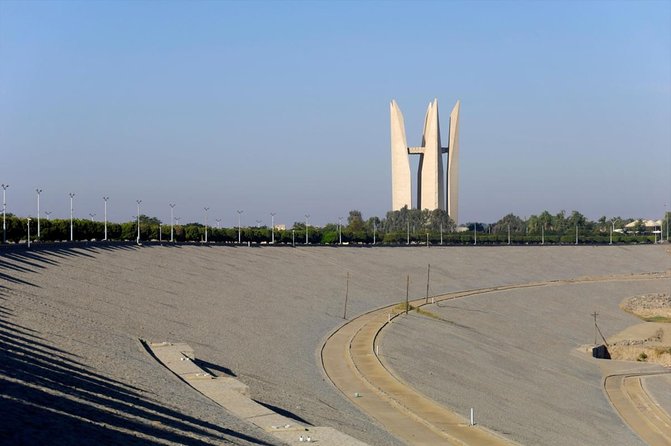
First is the Aswan High Dam, built across the Nile in the 1960s and 1970s. It’s described as the world’s largest embankment dam, and the scale changes how you think about water and control. Even if you’re not a technical person, this stop gives context: the Nile you experience today is not the same Nile your ancient subjects knew.
Next comes the Unfinished Obelisk, located in Aswan’s stone quarries. This is one of the most intriguing stops on the route because the obelisk never reached completion. It’s also noted as the largest known ancient obelisk and was studied in detail by Reginald Engelbach in 1922. Seeing an unfinished monument is a reminder that history includes plans that didn’t fully succeed.
Then you finish the day with Temple of Philae. Philae is an island in the reservoir downstream of the Aswan Low Dam. The temple complex originally stood near the First Cataract, so the location shift adds an extra layer of meaning: the sacred site survived a major change in its environment.
What to expect: this is a temple day with real visual payoffs. If you like photography, set aside time for slow looking, especially around key facades and courtyard rhythms.
Day 5: Breakfast, Disembarkation, and Getting Off to Aswan
Day 5 is simpler and calmer. You disembark after breakfast, then your transfer takes you to your final departure point in Aswan.
This final day is intentionally low-pressure. After several heavy-hitting monuments, it’s a good thing you don’t get hit with another long list of stops before leaving. It also helps if you’re connecting onward to other Egypt plans, since you’re not rushing from one location to the next.
Who This Cruise Is For (and Who Should Reconsider)
This cruise is a great fit if you want:
- Major Luxor and Aswan temple highlights without switching hotels mid-trip
- A guided experience with an Egyptologist to explain what you’re seeing
- Full meals included, with transfers handled by a vehicle team
It’s especially good for first-timers who want a clear sequence of Upper Egypt sites—Valley of the Kings and Karnak in Luxor, then the Edfu and Kom Ombo temple arc, then the Aswan trio of High Dam, Unfinished Obelisk, and Philae.
You might want to reconsider if your idea of a vacation is minimal walking and lots of free time. The itinerary is packed with admissions and built-in stops, so this is more “structured sightseeing” than “wandering.”
What’s Included (So You Don’t Waste Time Planning)
Here’s what you should expect to be handled in the package:
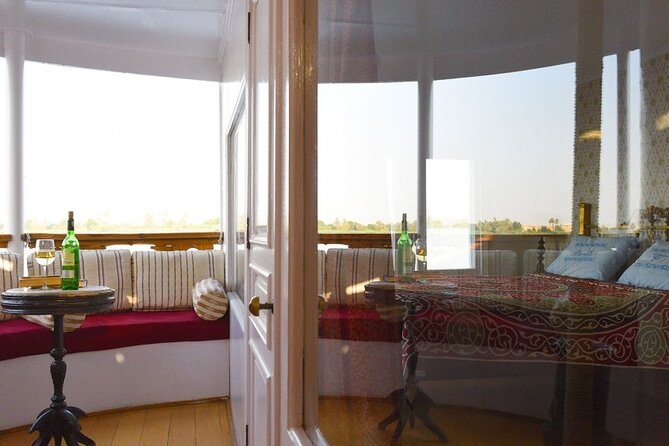
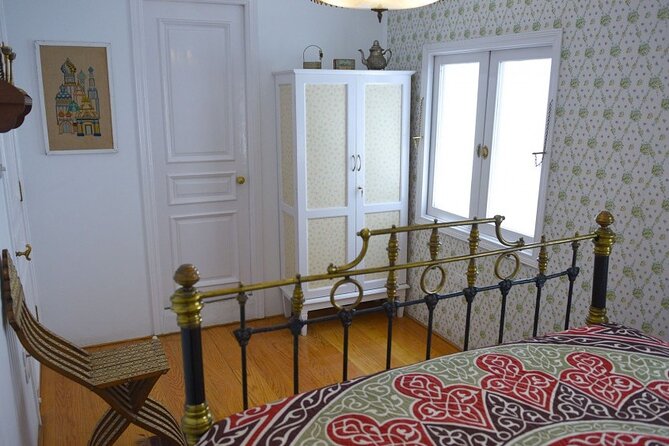
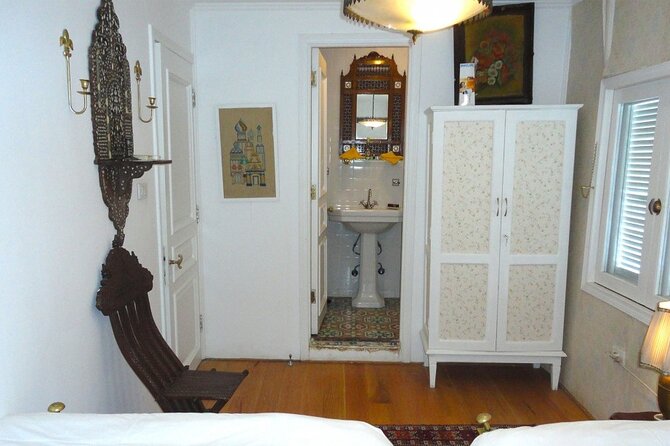
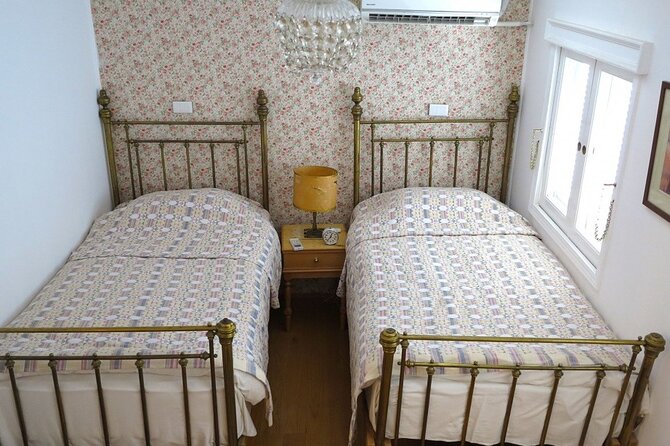
- Accommodation for 4 nights onboard a 5-star Dahabiya
- Full board: 4 breakfasts, 4 lunches, 4 dinners
- Egyptologist guide during the journey
- All excursions listed in the itinerary
- Entrance fees included for sights between Aswan and Luxor
- Entrance fees and taxes covered
- All transfers by modern air-conditioned deluxe vehicle
- Pickup offered, plus mobile ticket
- Assistance of personnel during the Dahabiya cruise
Not included:
- Tipping
- Personal expenses
- Any extras not mentioned in the program
Small Details That Matter: Guides, Groups, and Timing
This is a private tour/activity, meaning only your group participates. That typically helps with pace and attention. In past departures, people highlighted Egyptologist guides such as Mohamed Eldahesh and Ahmed, and that kind of name recognition usually points to consistent guiding style: clear explanations, smooth timing, and patient support during site changes.
Meeting starts at 12:00 pm, so plan your Day 1 travel around a midday arrival. Also note the trip is often booked about 75 days in advance, which is a clue that departure dates can fill during peak periods.
And if you’re adding an optional hot air balloon activity, the tour info notes that if it’s canceled due to bad weather, you’ll receive a $25 per person refund.
Should You Book This Luxor to Aswan Dahabiya Cruise?
I’d book it if you want a guided Upper Egypt circuit that mixes famous temples with smart context stops in Aswan, without the stress of hotel changes. The value case is strong because entrance fees, full meals, onboard nights, and air-conditioned transfers are bundled together.
Skip it (or adjust expectations) if you dislike packed days or prefer lots of unstructured time. This itinerary is built to see a lot, and you’ll feel that in your feet.
If your goal is to experience Luxor-to-Aswan ancient Egypt in a calm, small-ship way, this is a solid match.
FAQ
What sites are included on the Luxor to Aswan itinerary?
You visit the Valley of the Kings, Temple of Hatshepsut at Deir el Bahari, the Colossi of Memnon, Karnak Temple, the Temple of Horus (Edfu), Gebel el Silsila, Temple of Kom Ombo, Aswan High Dam, the Unfinished Obelisk, and the Temple of Philae.
How long is the Dahabiya cruise package?
The experience runs for 5 days (about 4 nights onboard) from Luxor to Aswan.
Is an Egyptologist guide included?
Yes. An Egyptologist guide is included during your journey.
Does the price include entrance fees and meals?
Yes. Entrance fees for the sights between Aswan and Luxor are included, and full board is included with 4 breakfasts, 4 lunches, and 4 dinners.
Are transfers included?
Yes. You get assistance and all transfers are included by modern air-conditioned deluxe vehicle.
Is tipping included in the price?
No. Tipping is not included, along with personal expenses and any extras not mentioned in the program.