REVIEW · PORTO
Authentic Small Group Douro Wine Tour with Lunch & River Cruise
Book on Viator →Operated by Oporto Road Trips · Bookable on Viator
Douro wine day beats any spreadsheet. You get two guided tastings and a Rabelo boat hour on the Douro, plus the famous N222 scenery. It’s also genuinely small-group—but there’s one practical catch: winery visits and the cruise are not fully private, so you may share space with other groups.
You’ll start with pickup in Porto downtown around 8:00 am, then spend most of the day following the river’s bends between wineries and viewpoints. The guides (many guests rave about people like Luis, Pedro, Cheila, Ivo, and Brahim) tend to make the drive feel like part of the day, not dead time—stories, history, and wine basics along the way. One more thing to consider: it’s a long day, so if you’re sensitive to early mornings or want zero time pressure, plan for a little grit and patience.
In This Review
- Key Things That Make This Douro Tour Worth Your Day
- Porto Downtown Pickup at 8:00: What Your Morning Looks Like
- Peso da Régua Stop: Quick Coffee and the Wine-Trade Backstory
- Quinta do Tedo Tasting: Learning How Wine Actually Gets Made
- The N222 Road and Lookouts: Why the Drive Feels Like Part of the Tour
- Pinhão Lunch and the Rabelo River Cruise: The Douro Slows Down Here
- Quinta do Beijo: The Smaller Winery Feel (and Why That Matters)
- Small Group Reality: Personalized Van Size, Shared Stops
- Price and Value: Why This Costs More Than a Bus Tour
- What to Bring, What to Expect, and How to Make the Day Smooth
- Who This Douro Wine Tour Fits Best
- Should You Book This Tour?
- FAQ
- What’s included in the tour price?
- Does this tour pick up from Vila Nova de Gaia or Matosinhos?
- What time does the tour start, and when do you return?
- How long is the river cruise?
- How many wineries do you visit?
- Is lunch included, and can you handle dietary restrictions?
- Is the tour private?
Key Things That Make This Douro Tour Worth Your Day
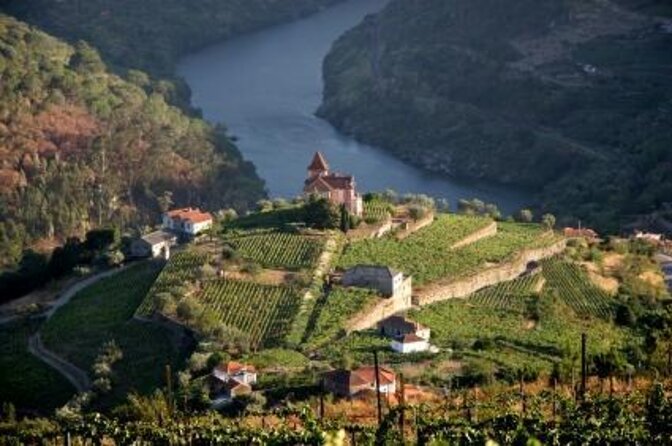
- Port and Douro DOC tastings at two wineries: you’ll sample wines from both styles, not just one stop.
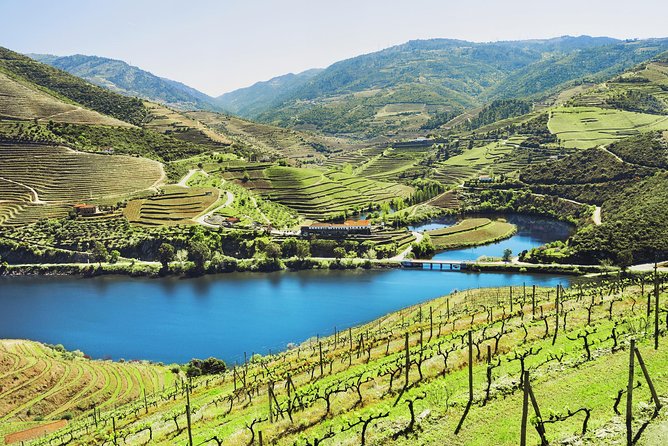
- Rabelo river cruise from Pinhão: about an hour on the water for classic Douro views.
- Pinhão lunch at a local restaurant: you eat in the Douro wine-transport heart, not an imitation tourist setup.
- N222 scenic road time + lookout stops: built-in photo opportunities without turning your day into a bus ride.
- Small group format with a 9-seater van: up to 8 people, so it stays personable.
- Weather-ready planning: if conditions affect the boat, expect changes rather than a full cancellation.
Porto Downtown Pickup at 8:00: What Your Morning Looks Like
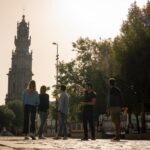
This tour starts early because the Douro needs daylight. Pickup is exclusive to Porto downtown, and it begins at 8:00 am sharp—not 8:30. If your address is inside the downtown area, they pick you up from your hotel or Airbnb. If it’s outside the pick-up zone (like Vila Nova de Gaia, Matosinhos, or the Porto coastal area), you’ll get a central meeting point instead (often near Porto Cathedral or another accessible location).
The practical takeaway: double-check your pick-up details. You’ll receive the exact time and place the evening before, and you should confirm you got the message. If you miss pickup, you lose the day—this is one of those tours where timing really matters because everything else is built around that early start.
Once everyone is in the van, the day turns into a slow-moving rhythm: drive, viewpoint, stop, taste, eat, cruise, taste again, then back to Porto close to 6:00 pm.
You can also read our reviews of more boat tours in Porto

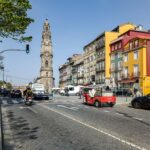
Peso da Régua Stop: Quick Coffee and the Wine-Trade Backstory
Your first meaningful stop after leaving Porto is Peso da Régua, a historic center tied to the commerce of Douro wine. The tour gives you a quick primer on why this town matters, then sets you up with a short break—about 15 minutes—for coffee and pictures.
Don’t over-plan this stop. It’s not a long walking tour day. It’s more like a reset button: stretch your legs, get a caffeine hit, then get back in the van and keep heading along the river.
I like this kind of short stop because it helps you understand what you’re seeing. When you later reach Pinhão and learn about the old shipping routes, Peso da Régua feels less random and more like the logical middle piece of the story.
Quinta do Tedo Tasting: Learning How Wine Actually Gets Made
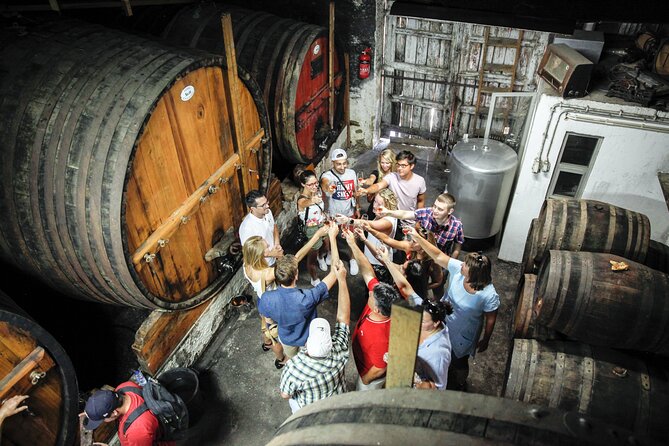
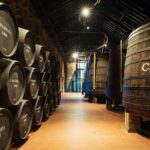
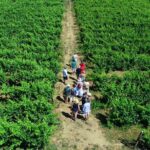
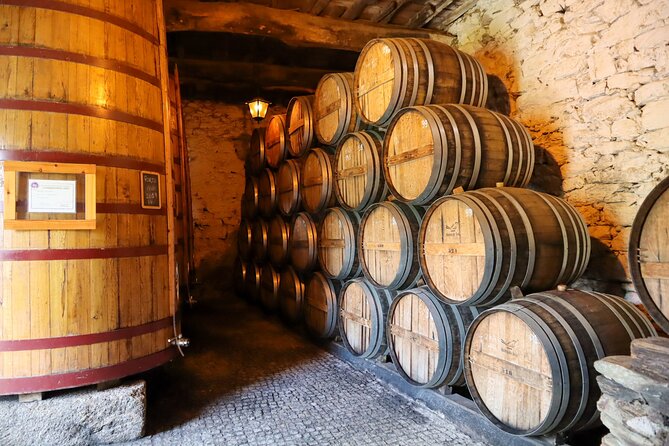
The first winery is often Quinta do Tedo (the exact order can change based on availability). Here you learn the basics of the wine-making process and then you do a guided tasting of the winery’s wines, with the day designed to include both Port wines and Douro DOC tastings.
What I like about starting with a winery like this: you get language for what you’re tasting before you’re fully swept away by the scenery. Instead of “I liked that glass,” you start noticing how styles differ and why. The tasting time isn’t presented as a quick pour-and-run either—this is guided.
One more reality check: winery visits are not fully private. You might share the experience with other groups, depending on timing.
That said, the winemaking sites on this route tend to be intimate in feel, and the small van group size means your guide can still tailor comments to your pace.
The N222 Road and Lookouts: Why the Drive Feels Like Part of the Tour
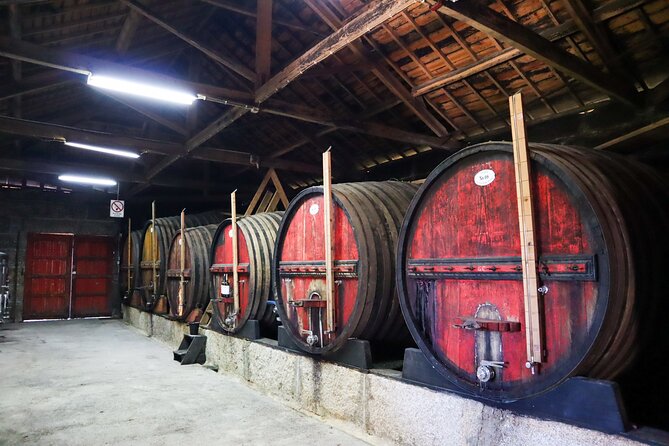
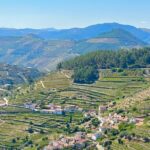
You’ll spend time driving the famous N222, often described as one of the world’s most scenic roads. The key here isn’t just the road itself—it’s how the tour uses it. You get viewpoint stops so you can actually see what you’re driving through, rather than just watching it from behind glass.
A good rule for this day: assume your best photos are before lunch and during the winery transitions. Afternoon light can still work, but the day moves fast. If you want those classic river bends in your camera, keep your coat/phone ready and be ready when the guide stops at a lookout.
Also, the wineries often sit with big river views. That means you can get the “Douro moment” twice—once from the road and again at the tasting area.
Pinhão Lunch and the Rabelo River Cruise: The Douro Slows Down Here
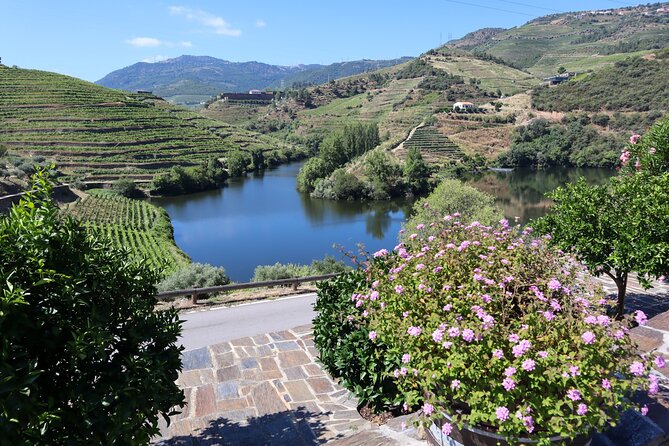
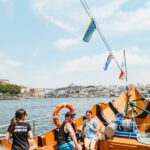
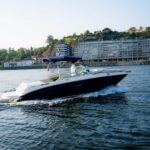
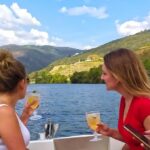
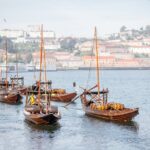
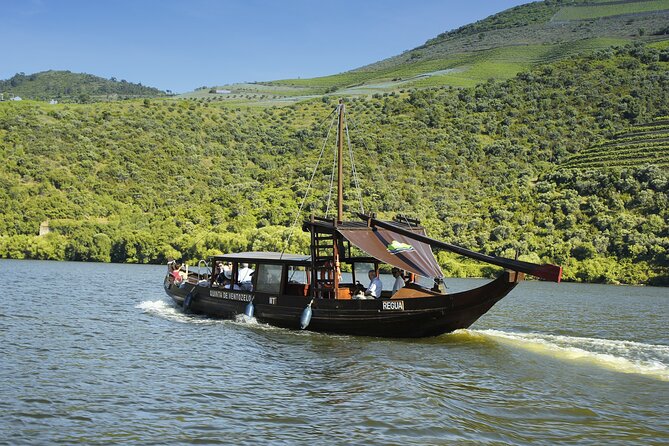
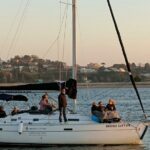
This is the heart of the day: Pinhão plus a 1-hour river cruise on a typical Rabelo boat.
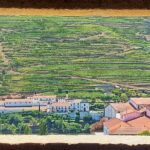
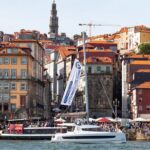
Pinhão is where the old wine transport story becomes real. The tour explains how wine moved from the Douro toward Porto, then kept aging across the river in Vila Nova de Gaia. The stop is both atmospheric and practical: you get time in the village and then you get out on the water for a cruise that’s built around those river views.
The cruise is about an hour, and it can be chilly depending on the season and how the wind feels on the water. One guest specifically noted that the boat portion runs chilly, so bring a layer even if Porto feels warm.
You’ll also have lunch here at a traditional Portuguese restaurant. Lunch includes options for fish and vegetarian/vegan and gluten-free meals if you request in advance. The tour frames it as a “local” meal, and the structure supports that: you’re eating in the Douro wine village area, not rushing off to a separate stop just to say you ate.
Timing-wise, this chunk covers roughly 2.5 hours total (cruise plus lunch). It’s long enough to reset after a morning of roads and tastings, which matters because the second winery can be a lot of wine if you don’t pace yourself.
Practical tip: drink water between tastings. Bottled water is provided throughout the tour, which helps you keep it sane.
You can also read our reviews of more wine tours in Porto
Quinta do Beijo: The Smaller Winery Feel (and Why That Matters)
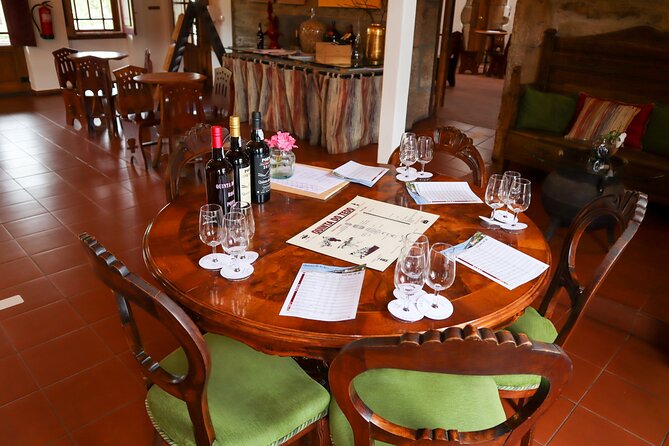
After lunch, you head to the second winery, often Quinta do Beijo. This one is described as a smaller local operation with very good wines that aren’t meant for easy city retail. The visit is usually led by the owner, and that changes the tone. It’s less “corporate tour script,” more hands-on production conversation—why certain choices get made, what the wines are like, and what the place is doing differently.
As with the first stop, the exact wineries and order can vary with availability. But the goal is consistent: you end the tasting portion with something intimate and personal.
In my view, this is the difference between a day that feels like checklists and a day that feels like the Douro itself. When you finish on a small property run by someone who actually knows the vines, the wines feel connected to a place, not just a tasting menu.
Small Group Reality: Personalized Van Size, Shared Stops
This tour sells the “small group” angle, and it delivers on that part. You travel in a comfortable 9-seater van with air conditioning, and it’s set up for up to 8 guests.
That said, it’s important to understand what “small group” means in practice here:
- your van group is small
- but winery visits and the river cruise are open to external participants, so you might share space with other groups inside the tastings or on the boat
What this means for you: the tour still stays relaxed and conversational because the guide is focused on a smaller group. But you shouldn’t expect a private boat charter or a one-on-one winery experience.
Also, the day is weather-sensitive in the normal way. The tour states activities happen in covered/protected spaces, but the river cruise can be affected by unsafe conditions. One recent guest described a rainy-day change where the cruise couldn’t operate and the team replaced it with another winery visit. Plan for that possibility and don’t assume every day runs exactly identical.
Price and Value: Why This Costs More Than a Bus Tour
At $133.02 per person, you’re paying for a package that includes:
- Porto downtown pickup and drop-off
- transportation in a small air-conditioned van
- two winery visits with tastings (including Port and Douro DOC)
- lunch in Pinhão
- a 1-hour Rabelo river cruise
- bottled water
- scenic road time on the N222 with lookouts
Compare that to a basic “big bus to one winery” format. You’re paying for two tastings, lunch, and the cruise—those are expensive add-ons when you try to build the day yourself, especially with the early departure and the logistics of driving those winding roads.
The value is strongest if you want the Douro highlights without playing travel agent in your own vacation. If you already have a car and know the wineries you want, you can sometimes do it cheaper. But if you don’t want to coordinate drivers, tickets, timing, and meal stops, this price starts to look like paying for simplicity and good pacing.
What to Bring, What to Expect, and How to Make the Day Smooth
The Douro’s weather can surprise you. The tour notes that it can be very hot in summer and cold in winter, so bring light layers for summer and warm layers for winter.
Beyond clothes, think about comfort:
- Wear shoes you can stand in for short periods during lookout stops and winery transitions.
- Bring a light jacket for the river cruise since it can feel chilly on the water.
- If you don’t want to feel rushed during tastings, sip slowly. You’re getting guided explanations, not just pouring wine down your throat.
- If you have dietary needs, request them at booking for the lunch options (fish, vegetarian/vegan, gluten-free).
Finally, lean into the guide. Many guides on this route are praised for mixing wine talk with Portuguese context—history, local customs, and everyday conversation. If you want that human layer, ask questions. That’s when the day stops being just scenery and starts being a story you’ll remember.
Who This Douro Wine Tour Fits Best
This tour is a strong match if:
- you want an efficient Douro day from Porto without renting a car
- you like guided tastings and want both Port and Douro DOC perspectives
- you enjoy a small group vibe in a comfortable van
- you want a full “day highlights” mix: winery + lunch + boat + more winery
It may not be ideal if:
- you hate early starts (pickup begins at 8:00 am)
- you want fully private experiences at wineries and on the cruise
- you’re traveling with children (the tour notes it’s not recommended for children; car seating is mandatory by Portuguese law, and the tour advises informing them in advance)
Should You Book This Tour?
Yes—if you want the classic Douro highlights with a human guide and a sensible pace, this is a very good buy. The biggest strength is the combination: two winery tastings, a real lunch in Pinhão, and a Rabelo cruise in one day, all wrapped in a small van format that keeps it from feeling chaotic.
Book it especially if you value structure. This is a day where the route, stops, and timing matter. Let someone else handle the driving and scheduling while you focus on tasting, learning, and taking photos.
Skip it only if you’re chasing solitude or a fully private boat/winery experience. For a shared-but-still-personal small-group day, this is exactly the kind of tour that makes Porto feel like more than a jumping-off point.
FAQ
What’s included in the tour price?
You get Porto downtown hotel or Airbnb pickup and drop-off, small-group transportation in an air-conditioned van, a professional guide, visits to two wineries with tastings (including Port Wines and Douro DOC wines), a traditional lunch, a 1-hour river cruise in a Rabelo boat, scenic N222 driving with lookout stops, and bottled water.
Does this tour pick up from Vila Nova de Gaia or Matosinhos?
No. Pickup is exclusive to Porto downtown. It does not include pickup from Vila Nova de Gaia, Matosinhos, the Porto coastal area, or other locations outside the city center. If your address is outside the pick-up zone, you’ll be assigned a central meeting point in Porto.
What time does the tour start, and when do you return?
Pickup starts at 8:00 am. You return to Porto close to 6:00 pm, with drop-off at your selected point.
How long is the river cruise?
The river cruise in Pinhão lasts about 1 hour.
How many wineries do you visit?
You visit two wineries, with guided tastings at each. The specific wineries and the order can change depending on availability.
Is lunch included, and can you handle dietary restrictions?
Yes. Lunch is included and can be fish, vegetarian/vegan, or gluten-free if you advise the company in advance.
Is the tour private?
No. While your group is small, winery visits and the river cruise are not fully private and can include external participants.