REVIEW · PORTO
Porto: 6 Bridges Douro River Cruise
Book on GetYourGuide →Operated by Tomaz do Douro, Empreend. Tur. Lda. · Bookable on GetYourGuide
Six bridges in 50 minutes is a smart shortcut. This Porto cruise turns the Douro into your front-row seat, sailing on an old Port wine barrel boat with modern navigation while you clock the city from the water. I especially like the photo-friendly views of Porto’s historic waterfront and Vila Nova de Gaia’s side of the river, plus the way the commentary connects what you’re seeing to how the bridges shaped life here. If you get a guide like Nuno, the jokes land without getting in the way of the story.
I also like that it’s timed for real life: short enough to fit between sightseeing plans, but long enough to go from the historic center toward Freixo and then back downstream toward the Douro’s mouth. One thing to plan for: finding your exact boarding spot at Cais da Estiva can be confusing because multiple operators use the same quayside area, so you’ll want extra buffer time and to watch the kiosk signage closely.
In This Review
- Key Highlights at a Glance
- Why the Six Bridges Cruise Feels Like a Cheat Code for Porto
- The Boat Built for Port Wine Barrels (and Why It Matters)
- Route at a Glance: Porto, Freixo, and Back Under Six Bridges
- What You’ll Actually See: Gaia Views, Riverbanks, and Bridge Details
- Audio Commentary and Guides: Clear Enough to Keep Up
- Timing and Where to Sit for Photos (Morning vs Evening)
- Price and Value: Is $23 Worth It on the Douro?
- Practical Stuff: Boarding at Cais da Estiva Without Getting Flustered
- Who This Cruise Suits Best (and Who Might Want to Skip It)
- Should You Book This Porto 6 Bridges Douro Cruise?
- FAQ
- How long is the Porto: 6 Bridges Douro River Cruise?
- Where do I meet the boat in Porto?
- What route does the cruise follow?
- Is there narration during the cruise?
- What happens if the boat is full?
- What is the cancellation and payment flexibility?
Key Highlights at a Glance
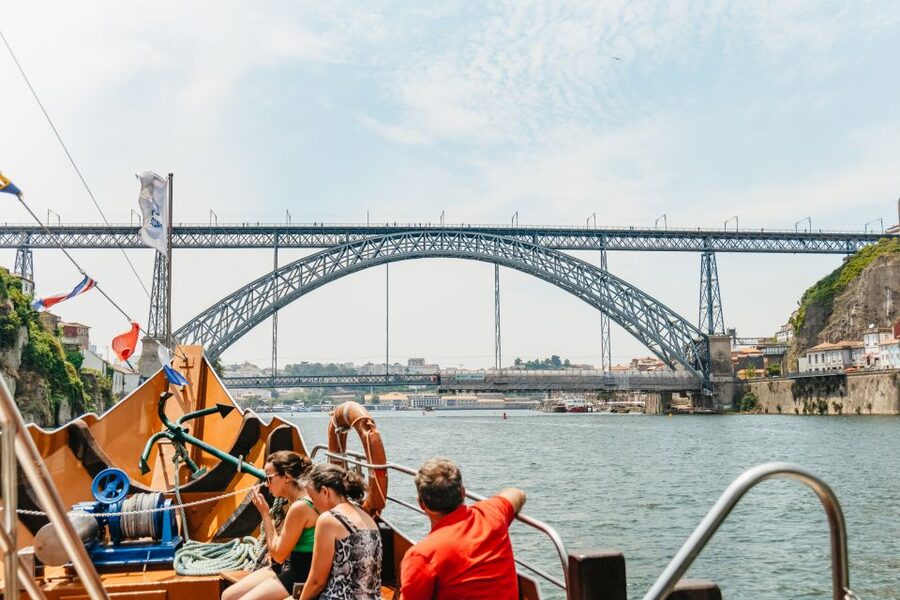
- Historic barrel-boat design: You cruise on a vessel originally used to move Port wine barrels.
- The six-bridge route: You pass through the city section that links Vila Nova de Gaia and Porto via six bridges.
- Freixo and the river’s curve: The journey runs upstream toward Freixo, then swings back downstream.
- Audio narration with humor: Commentary includes multiple languages, and guides often mix facts with light jokes.
- Great angles for photos: Sitting forward gives a more panoramic view of the riverbanks and terraced areas.
- Short and easy timing: At about 50 minutes, it’s a low-stress way to get oriented.
Why the Six Bridges Cruise Feels Like a Cheat Code for Porto
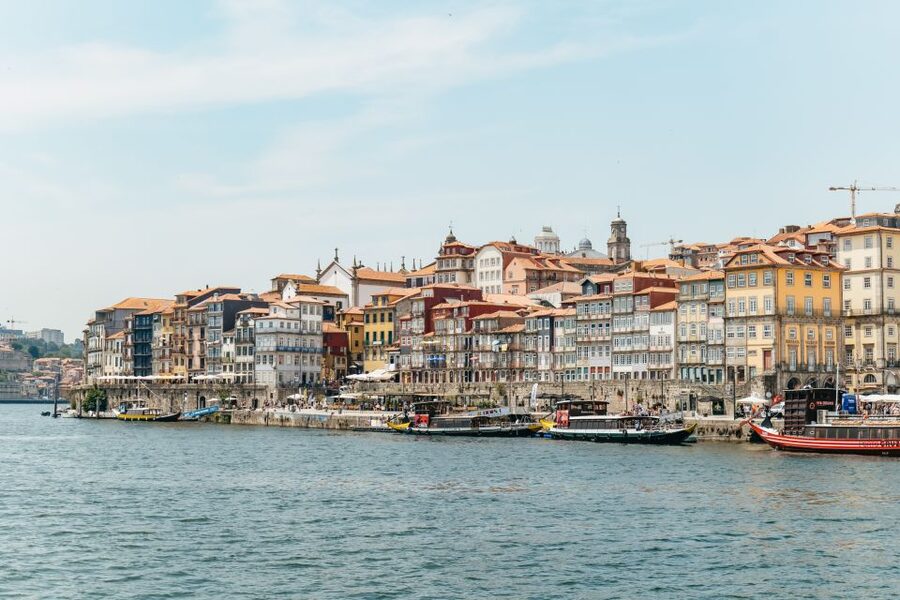
Porto is beautiful on foot, but the city really changes when you’re on the water. This cruise gives you a second “map” of the area: you see how the river slices the city, where the viewpoints naturally open up, and how Porto and Vila Nova de Gaia face each other across the Douro.
The best part is that it’s not just a sightseeing ride. The route is built around the six bridges theme, and the narration ties bridge stories to the buildings and riverbanks you can actually see right now. That makes the trip feel purposeful, not random. Even if you only know Porto for its hills and azulejo tiles, you’ll start noticing patterns: where crossings matter, how the waterfront developed, and why the river is central to the city’s identity.
It also works well when your schedule is tight. A 50-minute cruise is the sweet spot when you’re juggling markets, walking routes, a winery visit, or just trying to sit down for a bit. You get a broad overview without the time commitment that makes some boat trips feel like a half-day project.
You can also read our reviews of more boat tours in Porto

The Boat Built for Port Wine Barrels (and Why It Matters)
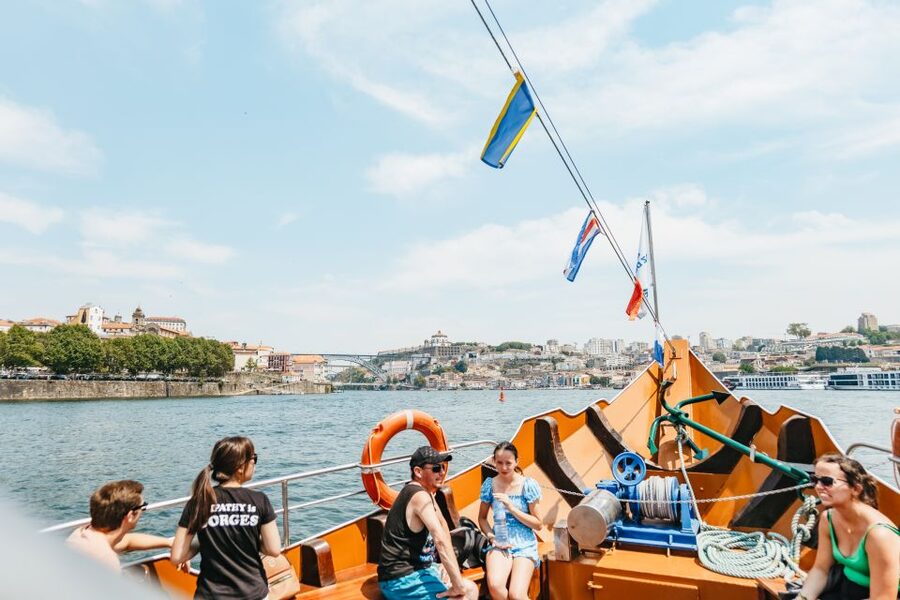
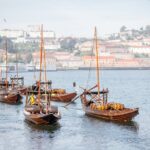
The vessel is an old-school type of boat, originally used to transport Port wine barrels between the Douro region and Gaia/Porto. That detail isn’t just a trivia flex. It helps explain the cruise’s vibe: it feels like functional river transport, not a theme-park ride.
Modern upgrades are what make it comfortable now. The boats have been adapted with modern navigation equipment, so the ride is smoother and steadier than you might expect from a boat with historic roots. In practical terms, you spend your energy watching the river instead of worrying about the ride.
You can usually move around once you’re underway, so you’re not stuck in one seat for the entire 50 minutes. If the front section is where the best views are, you can position yourself for the moment when the bridges come into view. If you’d rather shelter from wind, you can switch sides without ruining the experience.
Route at a Glance: Porto, Freixo, and Back Under Six Bridges
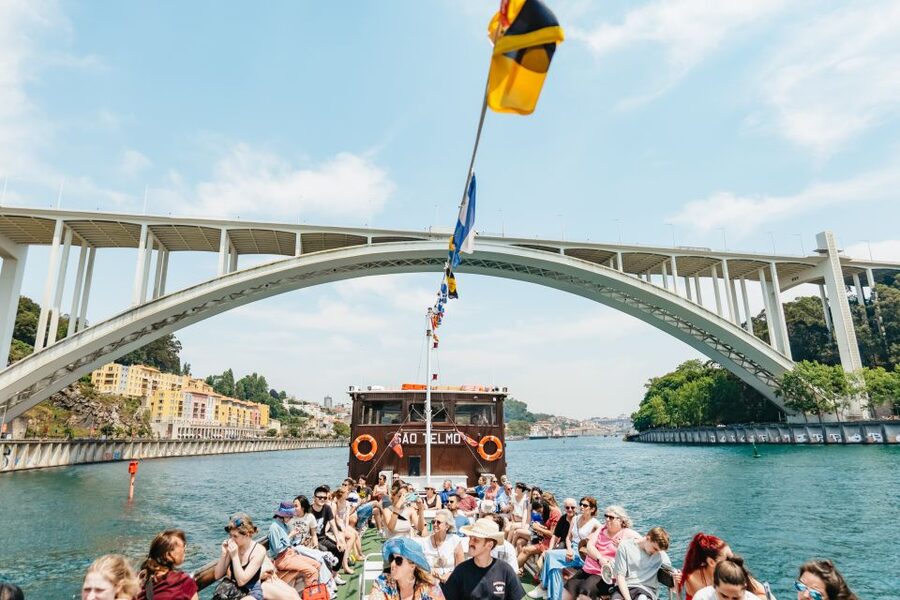
Here’s the flow of what you’ll do, in plain language.
You start at Cais da Estiva and board the barrel-boat. Then the cruise takes you along the historic center of Porto, which is part of the UNESCO World Heritage area. That matters because the waterfront you’re seeing isn’t just pretty—it’s tied to the city’s older urban structure and river commerce.
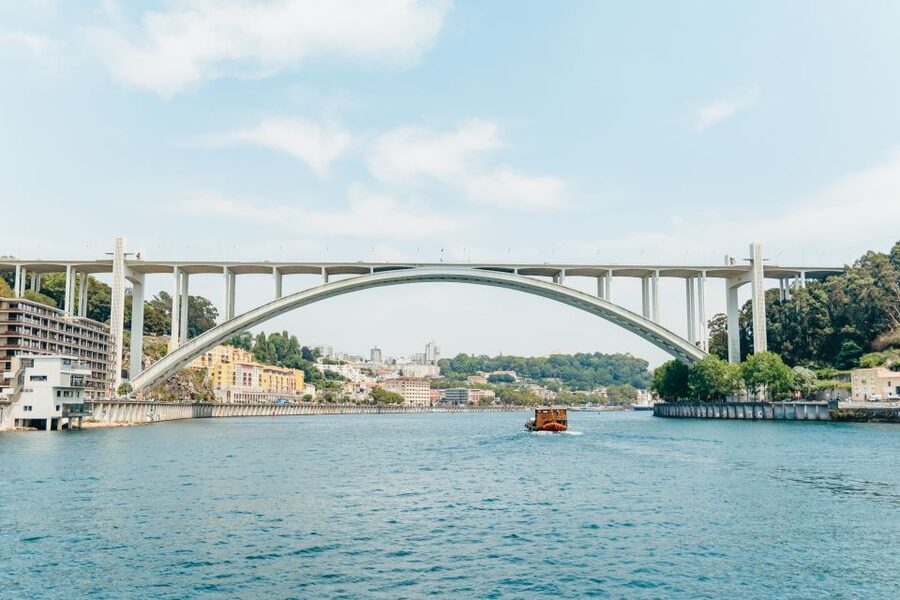
From there, you head upstream toward Freixo, then swing back downstream toward the mouth of the Douro. The key moments are when you pass the bridge crossings that connect Vila Nova de Gaia and Porto—the whole reason this trip exists.
Most people find the timing just right. It’s short enough that you’re not bored by mid-ride, and it’s long enough that the bridge sequence feels like a mini-thrill instead of a quick drive-by. Some riders do wish it ran 20–30 minutes longer, but that’s also the bargain tradeoff: this is designed to be easy to repeat or fit into a day.
What You’ll Actually See: Gaia Views, Riverbanks, and Bridge Details
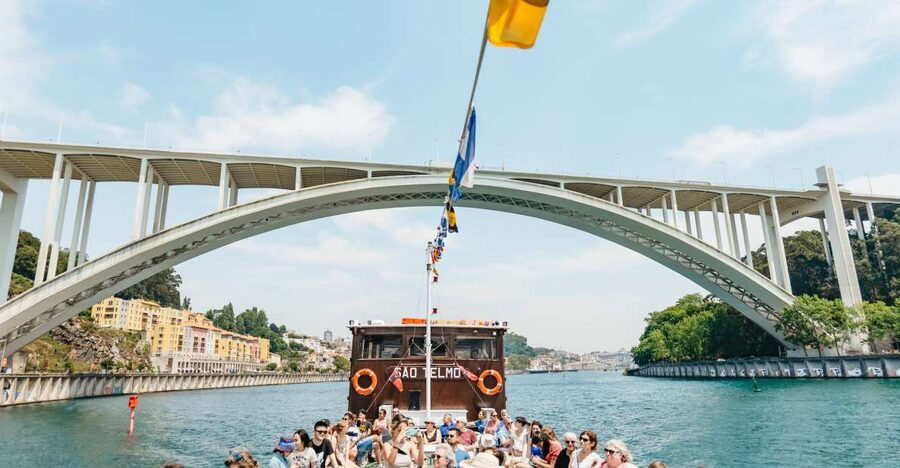
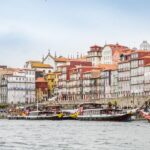
The cruise lives on viewpoints, and the Douro delivers them quickly. You get classic Porto-waterfront angles on the way out, then you watch Vila Nova de Gaia come into focus as the boat keeps moving along the river corridor.
The narration is built to help you “read” what you see. The tour explains the history of the six bridges while you’re passing them, so you’re not learning about bridges in the abstract. You hear the story at the same time your eyes can match it to the architecture and setting.
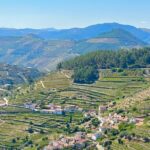
You’ll also notice the riverbank texture—terraced areas, river edges, and built-up stretches along both sides. The scenery feels especially strong because the boat’s path gives you a 360-degree feel from the water, not just a one-direction postcard moment. That’s why it’s a great first-day activity: it teaches your brain how the city layers fit together before you commit to a lot of uphill walking.
If you care about photography, the cruise is set up for it. Many people aim for the front of the boat because that section tends to deliver the widest shots of the riverbanks and skyline. If you want less sun glare and more breathing room, you can also shift your position as the lighting changes.
Audio Commentary and Guides: Clear Enough to Keep Up
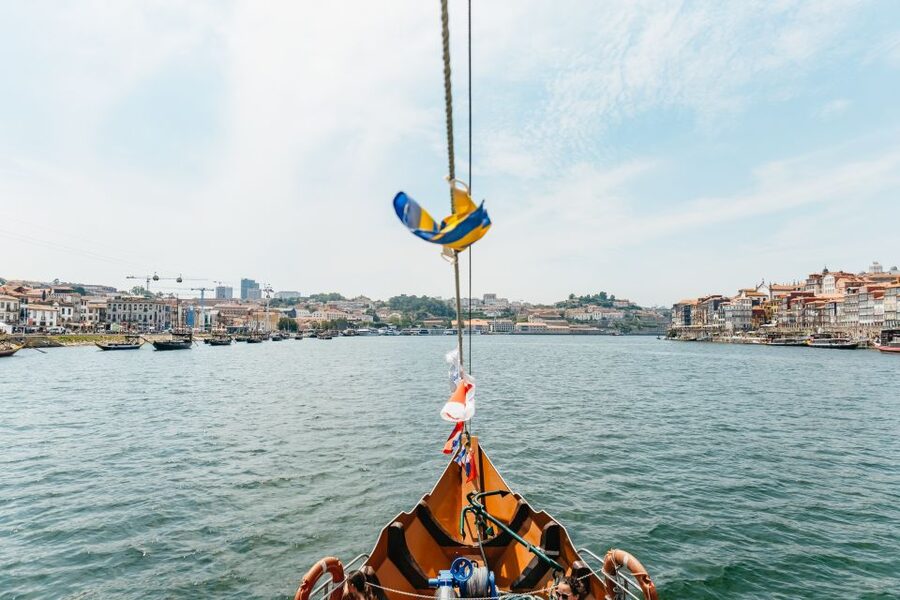
There’s an important split here: some of the experience is audio narration, and some is live guiding depending on the specific sailing. The cruise you’re considering has commentary that covers the bridges and surrounding points, and it’s delivered in multiple languages.
In the best cases, it’s crisp and easy to follow. I’ve seen reports where the English audio was described as clear and loud enough to catch details. The tone tends to be friendly too. People talk about guides like Nuno and also credit specific staff like Tiago, Ricardo L, and Sergio for being friendly and for using humor to keep the history from getting heavy.
One caution: not every sailing is equally easy to hear. Some riders say it can be hard to catch what’s being said if you’re not positioned well. My advice is simple—pick a seat near where the sound carries best, and don’t be shy about moving if you can’t hear.
Also, if you love asking follow-up questions, you might feel the lack of a full Q&A during the cruise. The narration does the job of telling you what matters, but it’s still a scripted experience, not an open conversation.


Timing and Where to Sit for Photos (Morning vs Evening)
This cruise is flexible in a way that matters. A morning or early departure often feels calmer—one review specifically praised taking the first cruise in the morning for being less crowded and more comfortable temperature-wise. If you’re trying to get oriented quickly, that early slot is a solid move.
Evening can be better for mood. There’s a strong callout for an evening cruise around 7pm where the ride was worth it for the sunset light and ambience. If you like warm colors on buildings and bridges, consider booking later rather than rushing it.
As for seating, aim for the front area if your goal is panoramic shots. That’s where you tend to get the cleanest views when the boat approaches bridge crossings. If wind is annoying, you can shift. The key is to keep your eyes ready right before the bridges—bridge views change fast.
Pro tip: if you’re going for photos, don’t wait until the last minute. Get yourself settled a few minutes before key crossings so you’re not juggling bags while the boat is already moving.
Price and Value: Is $23 Worth It on the Douro?
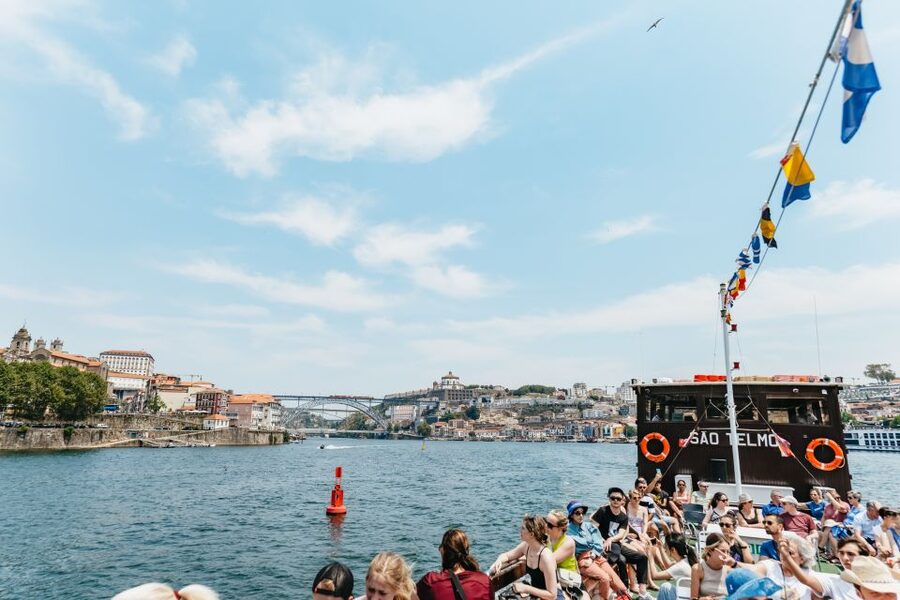
At about $23 per person, this is priced like a short, practical “orientation” activity—and that’s exactly how it earns value.
You’re buying three things:
- A time-efficient ride (50 minutes on the water)
- A guided bridge story delivered during the visuals
- Views you can’t easily replicate from the sidewalks
For many people, the cruise functions like a sightseeing sampler. You see enough to decide what you want to do next—walk more waterfront, visit a viewpoint, or plan a winery stop later. Even riders who wanted more time still called the experience informative and relaxing, which tells me the value is about impact per minute.
It also helps that the boat ride is smooth and comfortable for most people. That means you’re not spending your limited vacation energy fighting discomfort.
The only real “value risk” is if you arrive late and end up stressed about boarding. This trip is easy when your timing is easy. Treat it like a proper timed activity, not a wander-in-and-hope situation.
Practical Stuff: Boarding at Cais da Estiva Without Getting Flustered
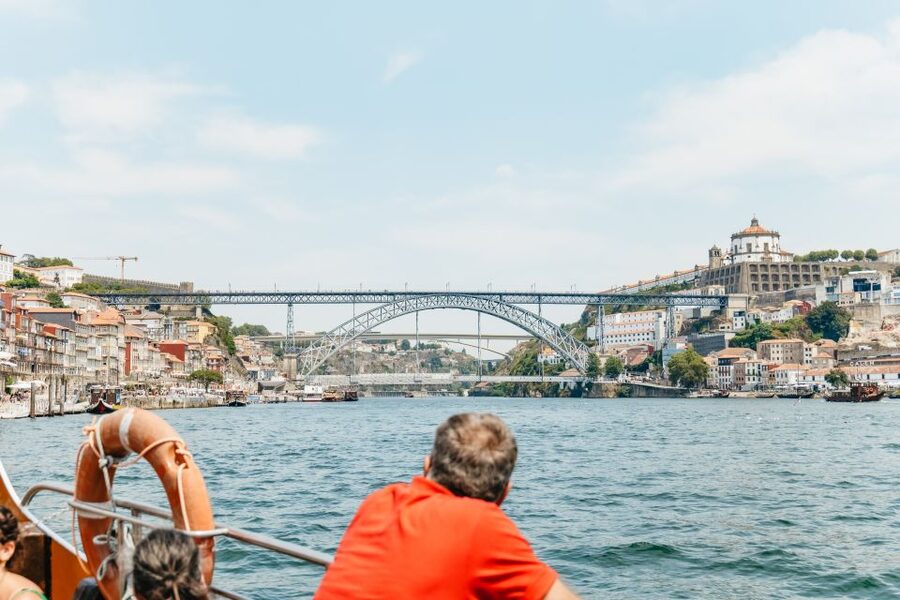
Logistics can make or break a short cruise, and this one has a bit of that wharf reality.
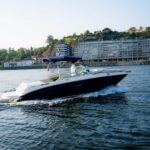
Meet at Cais da Estiva and look for the pictured boat. The issue is that the quayside area can look similar across operators. People have noted that it can be tricky to find the right check-in point and that signage could be clearer.
Here are the bits that keep you calm:
- Arrive early. One tip recommends you get there in time to line up correctly.
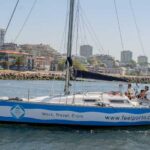
- Look for a kiosk labeled Tomas (described as blue and white in a tip).
- Get your receipt at the correct stall. One rider warned that having just a ticket on your phone is not enough—you must line up again at the right kiosk for the boarding check.
- Be careful with the gangway. The keyside walkway may be used by other operators, so don’t rush forward until you’re sure it’s your boat.
If your cruise is full, you might need to wait for the next sailing. Plan extra buffer if you’re on a tight schedule with other Porto plans.
If you keep those check-in habits in mind, the rest of the trip feels straightforward: board, settle, listen, and enjoy the river view.
Who This Cruise Suits Best (and Who Might Want to Skip It)
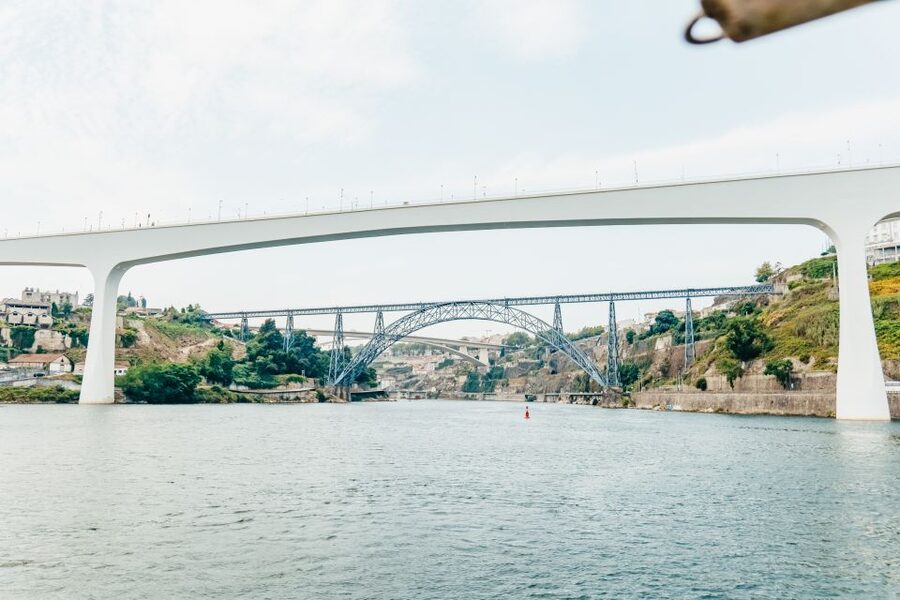
This is a strong fit if you:
- Want a short, relaxing activity in Porto
- Like river views more than museum-heavy days
- Prefer guided context without spending hours on the water
- Are excited by bridges, architecture, and how a city works spatially
It’s also a good pick for first-time visitors who want to get their bearings quickly. The bridge-focused narration helps you understand the city’s relationship with the river faster than random wandering.
You might want to consider other options if:
- You need a longer ride to feel satisfied
- You want a true back-and-forth with a live guide rather than narration
- You get irritated by check-in complexity when multiple operators share the same area
Should You Book This Porto 6 Bridges Douro Cruise?
I’d book it if you want a simple win: you trade about an hour of time for a strong “from-the-water” perspective, plus bridge context you can actually see as it’s explained. At $23, it’s also an easy add-on when your schedule is packed.
Book it soon if you’re visiting during a busy season, because it’s subject to availability and you may be waiting if a boat sells out. Choose your departure time based on your mood: early for calmer vibes, evening for warmer light.
If your top goal is Porto views with a bridge theme and minimal planning, this cruise is a very sensible way to spend your time on the Douro. Just do yourself a favor—arrive early, find the right kiosk (Tomas), and get your receipt before you head to the gangway.
FAQ
How long is the Porto: 6 Bridges Douro River Cruise?
The cruise lasts about 50 minutes.
Where do I meet the boat in Porto?
Meet at Cais da Estiva, Porto. Look for the pictured boat there.
What route does the cruise follow?
The trip goes from the historic center of Porto toward Freixo upstream, then heads downstream toward the mouth of the Douro, including sailing through the area with six bridges between Porto and Vila Nova de Gaia.
Is there narration during the cruise?
Yes. The cruise includes commentary/audio guidance that explains the bridges and points of interest. English is available, and multiple languages are used.
What happens if the boat is full?
The cruise is subject to availability. If the boat is full, you may need to wait for the next cruise.
What is the cancellation and payment flexibility?
You can cancel up to 24 hours in advance for a full refund. You can also reserve now and pay later to keep plans flexible.