REVIEW · PORTO
Porto Douro River Cruise With Port Wine – Daytime or Sunset
Book on Viator →Operated by BBDouro · Bookable on Viator
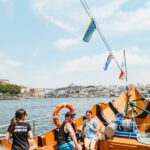
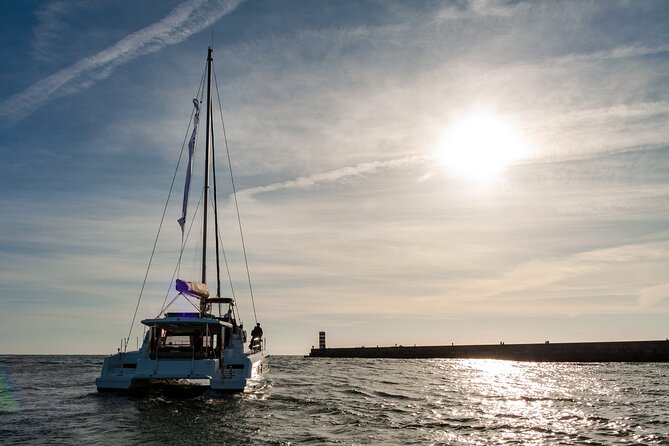
Douro views hit different when you’re on deck. This Porto-area sail trades steep walking for water-level perspective, with a guided look at the river’s working history and plenty of skyline moments from the Douro and Douro Estuary, plus a glass of port wine included. One thing to keep in mind: sunset tours can lose their drama if the sky is overcast or the weather is gray.
My favorite part is the human touch. When the crew talks with names like Fernando and Miguel (and often a friendly first mate like Junior shows up in the stories), the landmarks feel more personal, not just photographed. The ride also stays comfortable—blankets are offered when it cools, and even when sails are down, the boat experience is designed to feel relaxed.
In This Review
- Key things I’d watch for before you book
- A 2-hour sail that actually feels like a break from Porto’s hills
- Port wine on deck: the best reason to look twice at the waterfront
- Douro Estuary nature reserve: wildlife spotting without the strenuous walk
- Wine caves, Ouro Street, and the Rabelo story you’ll actually remember
- Gaia’s waterfront and the cellar district: where port turns into exports
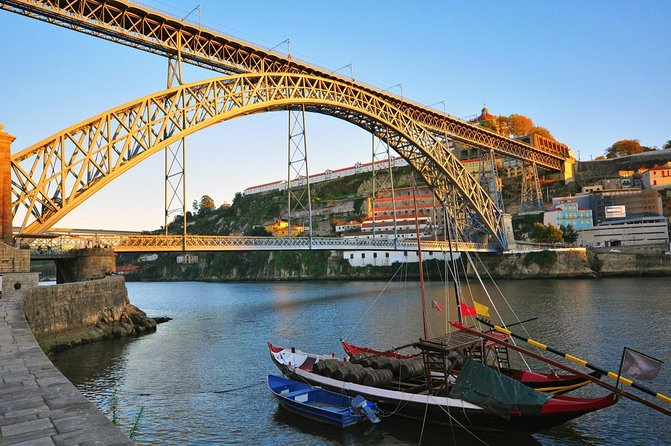
- Bridges as a timeline: Arrábida and Luís I from water level
- Arrábida Bridge
- Dom Luís I Bridge
- Churches, tiled facades, and a tram museum that hints at Porto’s old power
- Igreja da Confraria das Almas do Corpo Santo (Massarelos)
- Museu do Carro Electrico (electric tram museum)
- Porto’s river gardens and viewpoints: what to do after the sail
- Passeio das Virtudes (the vertical park)
- Jardim do Morro and Miradouro Serra do Pilar
- Passeio Alegre (Atlantic meets the river)
- How the sailing actually feels: sails, motors, and getting chilly
- Value check: is it worth about $54.42 for a 2-hour cruise?
- Who should book this Porto Douro river cruise?
- Should you book it?
- FAQ
- How long is the cruise?
- Where do I meet for the tour?
- Is port wine included?
- Is Wi-Fi included?
- What language is the tour offered in?
- Is food or lunch included?
- Do I get hotel pickup or drop-off?
- Do I have to cancel early for a full refund?
- What happens if the weather is poor?
Key things I’d watch for before you book
- Port wine is part of the tour, not a side add-on you find later
- A guided loop that focuses on Porto and Gaia landmarks from the water, not a long bus day
- The Douro Estuary is a wildlife corridor, so you’ll be looking out as much as you’re looking forward
- Check-in needs a quick stop at the BBDouro office at the marina, not just any dock
- Boat assignment isn’t something you choose, so if you’re motion-sensitive, plan for that
A 2-hour sail that actually feels like a break from Porto’s hills
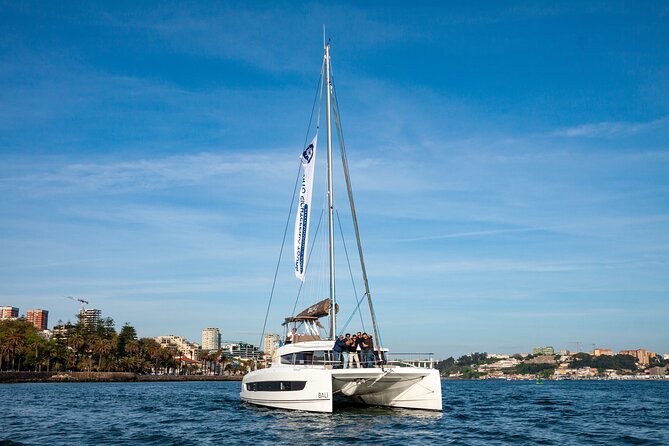
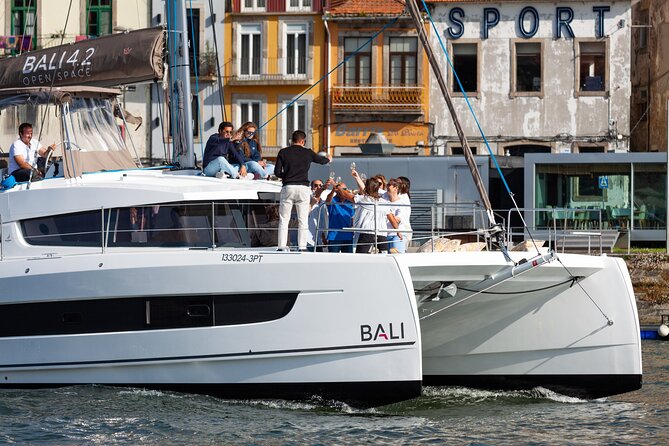
This experience runs about 2 hours and starts at Marina da Afurada in Vila Nova de Gaia. You don’t need hotel pickup, so you’ll get yourself there (it’s near public transportation), and then you’re back where you started.
You’ll use a mobile ticket, and you should expect group shuffling by random boat order—no choosing your spot. The tour maximum is 58 travelers, though in practice you might still find yourself in a smaller cluster depending on how they load the boat that day.
Value-wise, that matters: you’re paying for a guided time-on-water experience with extras (port wine and Wi‑Fi), not for private transportation or a big day-long plan.
You can also read our reviews of more boat tours in Porto

Port wine on deck: the best reason to look twice at the waterfront
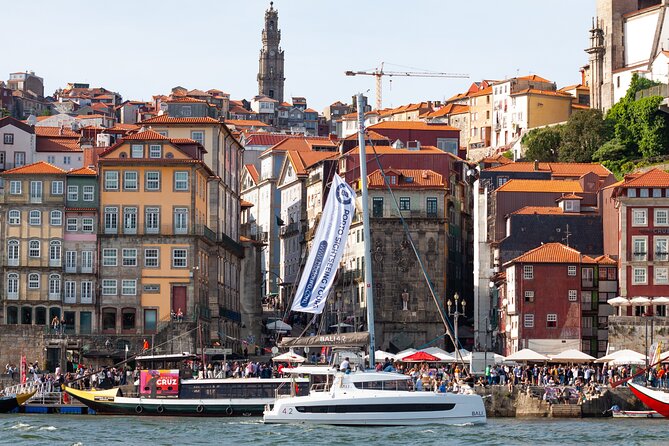
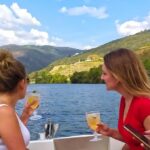
The included glass of port wine is small, but it changes how you see what’s around you. Port in Vila Nova de Gaia isn’t just a drink here—it’s tied directly to how the river worked as a supply line.
As you move along the waterfronts, the guide frames what you’re seeing in terms of wine logistics: how barrels traveled, where they were staged, and why these neighborhoods ended up built around the river. It’s one of those “oh, that’s why that place exists” moments that sticks better than a quick photo.
And because you’re on the water, you’re also close to the part of the story that’s easy to miss from land: the Douro Estuary. This reserve area is protected and recognized as part of the East Atlantic migratory route, so the birdlife and seasonal movement are a big deal. You won’t always spot animals instantly, but you’re in the right place to scan the water and shoreline.
Douro Estuary nature reserve: wildlife spotting without the strenuous walk
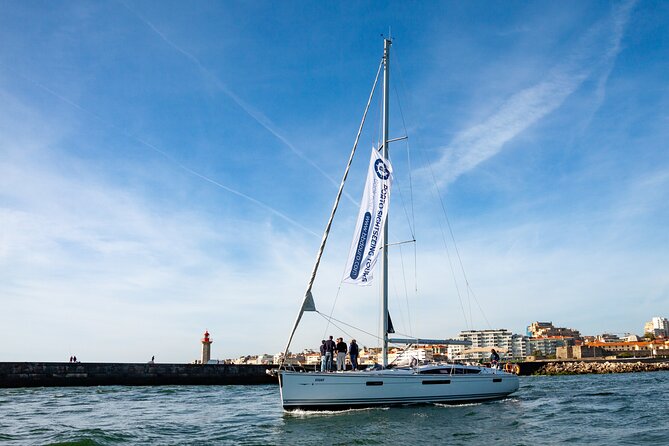
One included stop is the Reserva Natural Estuario do Douro, covering about 66.35 hectares near Afurada and close to the mouth of the river. The key practical point is that it’s a known bird area because it sits on a migratory corridor.
The nature reserve also includes a suspended walkway you can explore freely (so the boat tour can be a great “orientation moment” even if you don’t have time to do the walkway that same day). If you’re traveling with kids, this is also a calmer section of the tour—more looking, less climbing.
Wine caves, Ouro Street, and the Rabelo story you’ll actually remember
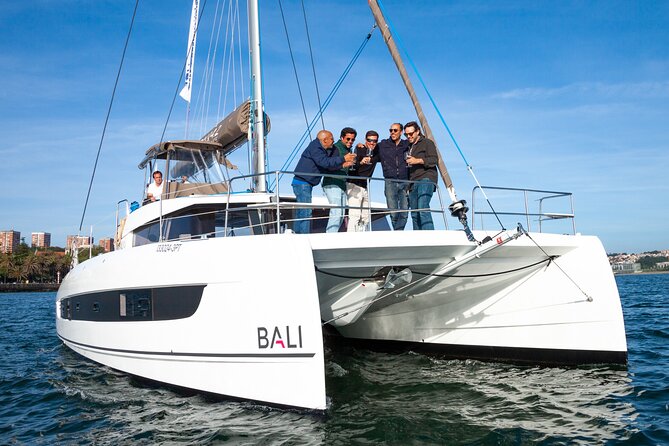
The river view isn’t random scenery. Your guide points out the working pieces of Porto and Gaia that connect to port wine.
From the water you’ll catch the idea of the wine caves, learn how the city’s historic river economy shaped the waterfront, and get oriented to spots like Ouro Street and Clerics Church as part of the broader Porto skyline.
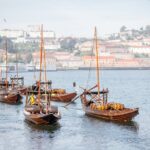
Then comes the most distinctive “river job” in the port story: the Rabelo boats. These were built for transporting barrels between the wine region and the cellars in Vila Nova de Gaia, especially before roads and railways took over. The guide explains the trade-off that made river travel serious: at the time (when dams weren’t built), the Douro could be fast and tricky in narrow stretches, so sailing required real skill.
If you love small details, keep an eye on how the tour connects that history to what you see in Gaia’s quay and cellar zone. It makes the waterfront look functional, not just pretty.
Gaia’s waterfront and the cellar district: where port turns into exports
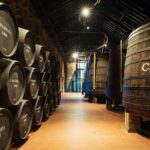
In Vila Nova de Gaia, you’ll see the Cais de Gaia waterfront, an important shipyard and trading zone since the 18th century. This quay is famous for port because it’s where barrels historically anchored before aging in the cellars of the many wine companies in the area.
The info that helps you later: the guided port connection doesn’t stop at the “tasting room.” Your cruise context lines up with why most of the cellar experience is concentrated here—around 30 different cellars, many offering tours and tastings on their own schedules.
The big practical benefit: after the cruise, you’ll know where to go and what to look for. You’ll also understand why the quay refurbishment helped turn an old trading edge into today’s leisure and tourism area.
You can also read our reviews of more wine tours in Porto

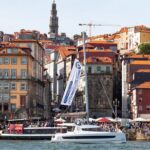
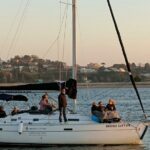
Bridges as a timeline: Arrábida and Luís I from water level
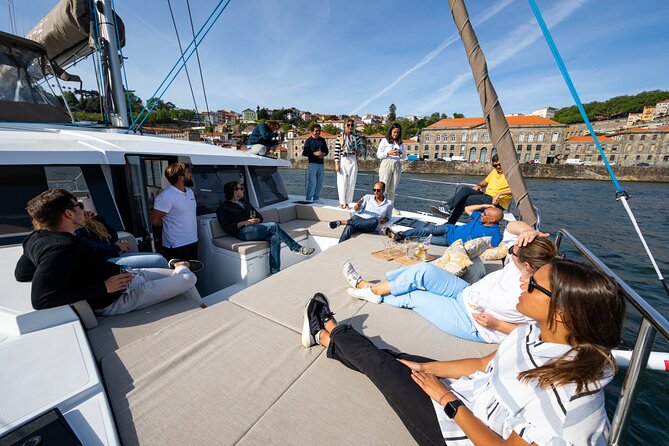
Porto and Gaia are connected by bridges that look like architecture homework until you see them from the river.
Arrábida Bridge
You’ll pass under or alongside the Arrábida Bridge, an arch bridge connecting Porto to Vila Nova de Gaia. A few facts your guide may highlight are worth filing away:
- It was built starting in the 1930s-era traffic problem context, with the bridge itself inaugurated in 1963.
- At the time of construction, it held the largest reinforced concrete arch record worldwide.
- For pedestrians, the bridge originally had lifts so people could cross the distance from the river up to the roadway level; those lifts stopped working in the mid-1990s.
It’s a great example of how Porto’s transportation needs shaped what you see today.
Dom Luís I Bridge
The Luís I Bridge is the iconic one most people come to see in photos—and the cruise helps you understand the full structure. It’s about 395 meters long, with two decks: one higher, one lower, connecting Porto with Gaia. The bridge is made of metal, completed in 1888, and tied to Théophile Seyrig and the architectural line that Gustave Eiffel influenced.
From the water, the bridge width and the two levels feel more obvious. You get a better sense of how the city grid connects above and beside the river.
Churches, tiled facades, and a tram museum that hints at Porto’s old power
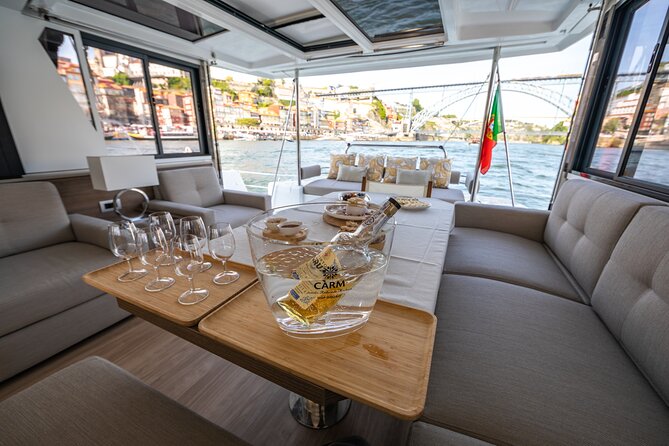
Some of the best sightseeing on this tour happens as quick landmark sightings plus context from the guide. Two stops show that theme clearly.
Igreja da Confraria das Almas do Corpo Santo (Massarelos)
This church dates to 1776 and has a distinctive tiled facade. It’s described as being organized into three main parts by pilasters, with a central gate and a broken pediment, plus side elements like bell towers crowned with ornaments and an iron cross. The facade’s tilework is a strong visual clue that Porto’s river identity isn’t only about wine—it’s also about religious and civic art.
Museu do Carro Electrico (electric tram museum)
The Tram Museum is the kind of place you’ll want to remember even if you don’t go inside on the cruise. It preserves electric cars and early public transport heritage in a building that used to be a Massarelos thermoelectric plant built in 1915.
Even if your time is short, this stop is useful because it frames Porto’s modernization: power generation and public mobility grew up in the same area. If you later explore on your own, the museum’s description also points you toward Tram Line 1 as a classic way to view Porto.
Porto’s river gardens and viewpoints: what to do after the sail
The tour also orients you to a chain of parks and elevated viewpoints that you can build into the rest of your day—especially if you like breathing room and panoramic views.
Passeio das Virtudes (the vertical park)
The Virtudes Municipal Park sits on terraced slopes, a “vertical garden” that drops down and gives views across the river and toward Vila Nova de Gaia. It was renovated in 1998, and you’ll learn how the terraces were designed so you can see the Alfândega, the river, and Gaia from many angles.
It’s a good match for cruise timing: the sail gives you the waterline, and this park helps you connect the city’s layers behind it.
Jardim do Morro and Miradouro Serra do Pilar
The Morro Garden area sits near Luís I Bridge and gives you a place to pause with a view. Nearby is Miradouro Serra do Pilar, tied to the Serra do Pilar Monastery, which is listed as UNESCO World Heritage.
The details matter here:
- The monastery church is 17th century and has a circular floor plan with a hemispherical vault.
- It’s surrounded by a balcony and crowned with a lantern.
- Inside, the cloister preserves a circular vault supported by 36 Ionic columns.
Why this is useful for you: it helps explain why this spot feels different from the more common church-box style. From the viewpoint areas, the circular plan and fort-like role during the Napoleonic invasions (and later military use) make sense fast.
Passeio Alegre (Atlantic meets the river)
The Passeio Alegre Garden sits where the Douro River’s waters meet the Atlantic. It’s a late 19th-century public garden with centuries-old trees, and it’s also where you’ll hear about the turtle fountain originally tied to Quinta da Prelada before being moved to this garden in the 20th century.
This is also the kind of place that’s great for a post-cruise stroll if you still have energy. It’s shaded, calm, and built for watching water meet water.
How the sailing actually feels: sails, motors, and getting chilly
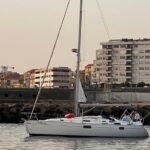
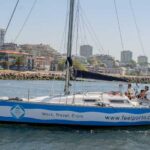
This is a “sailboat” experience, but it doesn’t always behave like a romantic movie scene. Reviews mention that sails may be down while the boat moves quietly by motor. The upside: the ride can stay peaceful and not smell overly smoky, so you can focus on the views.
Weather is the swing factor. The experience requires good weather, and if conditions cancel the tour due to poor weather, you’ll be offered another date or a full refund.
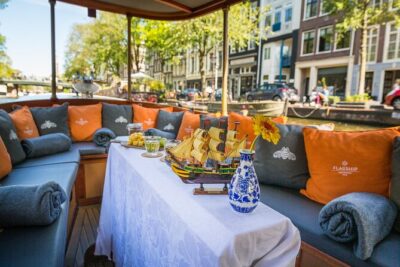
On cooler sunset options, you’ll want to dress for the water. Some cruise participants specifically mention being offered blankets, and it’s common for sunset weather in early fall to feel colder once the sun drops.
Also watch for rain management. One account notes that rain happened and an awning wasn’t used, though blankets helped. The practical takeaway: bring a layer you’re happy to wear even if you get a little wet, and pack something you can handle if the boat feels cooler than expected.
Value check: is it worth about $54.42 for a 2-hour cruise?
For roughly $54.42 per person, you’re buying:
- a guided boat tour (about 2 hours)
- a glass of port wine
- Wi‑Fi
- a chance to see Porto and Gaia landmarks in one go without stairs and steep hills
What’s not included is also clear: food and other drinks. There’s no lunch plan baked in, and you’ll want to eat before or after.
So who gets good value? People who want a city break that’s different from walking. If you’ve already been climbing Porto’s slopes all morning, this cruise is a smart “reset.” It also helps you later if you plan to visit cellars in Gaia or explore viewpoint gardens around the river.
Who might not? If you expected a full, long Douro Valley winery day with winery stops inland, this is more about the river-to-city highlights and the port context right where it lives—on the water and along the waterfront.
Who should book this Porto Douro river cruise?
Book it if you want:
- Porto from the water, especially the bridge-and-waterfront mix
- a short, low-stress outing that still feels “worth dressing up for”
- port wine context tied to river history, not just a tasting line
- a guide who’s happy to answer questions while you’re cruising
Skip it (or choose a different type of Douro day) if:
- you need guaranteed bright sunset conditions—overcast can blunt the effect
- you get motion sickness and are very sensitive to boat type (your boat placement is random and you can’t request a preference)
Should you book it?
If you want an efficient, scenic break in Porto that includes port wine and gives you a guided story for what you’re seeing along the Douro, this cruise is an easy yes. I’d especially recommend it for couples, first-timers, and anyone who wants to understand Porto and Gaia fast without spending the entire day in transit. Just plan to dress for cool water weather, check where to meet (Marina da Afurada / BBDouro office), and treat sunset as a bonus, not a guarantee.
FAQ
How long is the cruise?
It’s about 2 hours.
Where do I meet for the tour?
You meet at Marina da Afurada, R. da Praia 430, 4400-554 Vila Nova de Gaia, Portugal. The tour ends back at the meeting point.
Is port wine included?
Yes. A glass of port wine is included.
Is Wi-Fi included?
Yes, Wi-fi is included.
What language is the tour offered in?
The tour is offered in English.
Is food or lunch included?
No. Food and other drinks are not included.
Do I get hotel pickup or drop-off?
No. There is no hotel pickup and drop-off.
Do I have to cancel early for a full refund?
Yes. You can cancel up to 24 hours in advance for a full refund.
What happens if the weather is poor?
This experience requires good weather. If it’s canceled due to poor weather, you’ll be offered a different date or a full refund.