REVIEW · BEIJING
China Golden Triangle Cities & Yangtze River Cruise
Book on Viator →Operated by Travel China Guide · Bookable on Viator
China’s highlights feel like a lot. This trip turns the chaos into a route. I like that you get Mutianyu Great Wall plus top Beijing sights without playing guess-and-check all day. I also like the big-picture payoff of a Three Gorges Dam stop built into a 3-night Yangtze cruise. One thing to consider: the schedule is packed, and a couple of transfers are long, so you’ll want good energy (and comfy shoes) most days.
You’ll be traveling with professional local guidance, which matters in China where lines, entrances, and timing can be confusing. In Beijing, guides such as Tina are known for handling crowds and keeping the group moving; in other cities, you might see similarly strong on-the-ground leadership like Maggie, Jackie, Tom, or Chris. That kind of steadiness is a real value when you’re juggling trains, museums, and a river cruise.
On price: $3,139 per person looks steep until you map what’s included—hotel rooms, a cruise cabin, flights and high-speed trains, most major entrance fees, and multiple meals. The drawback is that you still need to budget extra for gratuities and international airfare, and one review flagged an arrival-day hiccup when the guide wasn’t waiting on time. So I suggest you confirm your arrival details and keep your messages ready close to landing.
In This Review
- Key takeaways
- Beijing: Tiananmen to the Forbidden City, with real temple stops
- Practical tip for Beijing days
- Mutianyu Great Wall: cable car, then choose your own adventure
- What I’d watch out for
- Xi’an: Terracotta Warriors plus culture districts that are actually fun
- Xi’an food note
- Chongqing and boarding the Yangtze: where the pace changes
- Three Gorges day-by-day: gorges, streams, and the big engineering stop
- What to expect on timing
- Shanghai classics: museum, Yu Garden, Huangpu River, Bund, Tianzifang
- Small advice that helps in Shanghai
- Price and value: what $3,139 buys you (and what it doesn’t)
- Guides and organization: where this tour tends to win
- Who this tour fits best (and who should think twice)
- Should you book this Golden Triangle plus Yangtze Cruise?
- FAQ
- How long is the China Golden Triangle Cities & Yangtze River Cruise tour?
- Where does the tour start and what time?
- Is pickup offered?
- Which cities are included in the provided schedule?
- How do you travel between Beijing and Xi’an?
- How do you travel from Xi’an to Chongqing?
- How do you travel from the cruise area to Shanghai?
- How long is the Yangtze River cruise?
- Does the cruise include a Three Gorges Dam stop?
- What meals are included?
Key takeaways
- Mutianyu Great Wall with round-trip cable car, plus options like chairlift and toboggan
- Three Gorges cruise featuring Qutang, Wu, and Xiling Gorge sailing time, plus Shennong Stream boat excursion
- Three Gorges Dam visit organized right off the cruise
- Beijing to Xi’an via high-speed train, then Xi’an to Chongqing by flight, and Chongqing to Shanghai again by high-speed train
- Strong sights-to-logistics balance: major museums, classic districts, and curated food stops
- A structured, guided rhythm that can feel busy if you hate schedules
Beijing: Tiananmen to the Forbidden City, with real temple stops
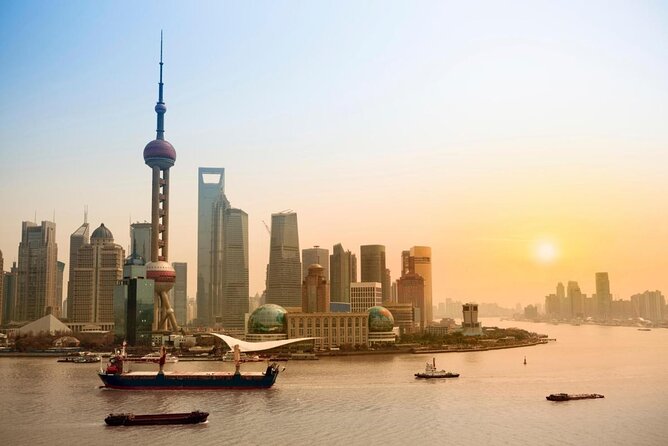
Beijing on this tour is built around icons, but it isn’t only photo ops. Your first time in town is low-pressure: you land, your guide/driver handles the airport-to-hotel leg, and you get a breather to settle in before the serious sightseeing.
From there, you hit Tiananmen Square first. It’s a “wide and monumental” kind of place—great for orientation and atmosphere. You’ll stay only about 30 minutes, which is about right. The square is huge, so the best use of time is quick bearings, a few key views, and then moving on before your feet or your attention fade.
Then comes the Forbidden City (Palace Museum). Plan for slow-ish looking, because it’s not one building—it’s a whole imperial city inside a wall. You’ll need around 2 hours, and the tour gives you that realistic window. If you like palace stories, court life, and architecture, this is the core stop in Beijing. It can also be tiring if you approach it like a checklist, so I’d treat it like a wandering museum with stops to rest and re-center.
I also appreciate the way the tour includes food in a structured way. During the Forbidden City day, you get an a la carte lunch at a famous local restaurant (valued at CNY150 per person and included). It takes a decision off your plate when you’re tired from walking and navigating. You’ll do better here if you go in hungry and keep it simple—Chinese menus are often broad, and “what do we order?” can eat time.
Later you add two very “Beijing feeling” religious sites: Lama Temple (Yonghegong) in the afternoon and the Temple of Heaven. Lama Temple is a different vibe than the Forbidden City—more layered and blend-y, with Han, Mongolian, and Tibetan influences in the mix of architecture and devotional life. The Temple of Heaven shifts you back to the imperial worship theme, where emperors historically came for rituals. Both are included, and both work well as a break from palace courtyards.
You can also read our reviews of more boat tours in Beijing
Practical tip for Beijing days
You’ll walk a lot. Build in water breaks. The tour includes two bottled waters per person per day, which is helpful. Use them early—don’t wait until you feel overheated.
Mutianyu Great Wall: cable car, then choose your own adventure
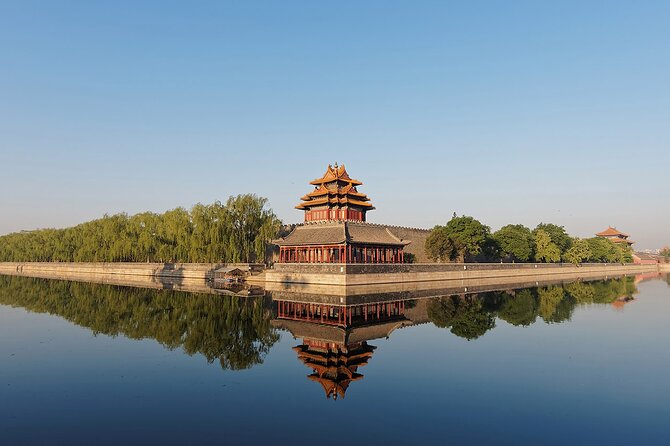
Mutianyu is one of the smarter Great Wall choices. It’s famous for being scenic and for offering a more structured visit than some wilder stretches. You’ll spend about 3 hours here, and the tour sets up round-trip cable car service. That alone makes a huge difference. It keeps the day from turning into a leg-day you didn’t plan for.
Once you’re on the wall, the viewpoint does the work. You can stand and look along the wall’s line, it stretching away in both directions like a timeline in stone. If you want extra motion, you can take a chairlift up and a toboggan down—designed to be fun, but still physically demanding. I’d pick the toboggan only if your balance is solid and you’re comfortable sitting with a ride controller.
On the way back, you can do quick photo stops at places like the Olympic Bird’s Nest stadium area. It’s short—about 20 minutes—and the tour is honest about the fact it’s mostly a glimpse.
What I’d watch out for
If your weather is rainy or windy, the cable car experience can feel slow or damp. Bring something light for rain or mist, even in “nice” months, because wall weather changes fast.
Xi’an: Terracotta Warriors plus culture districts that are actually fun
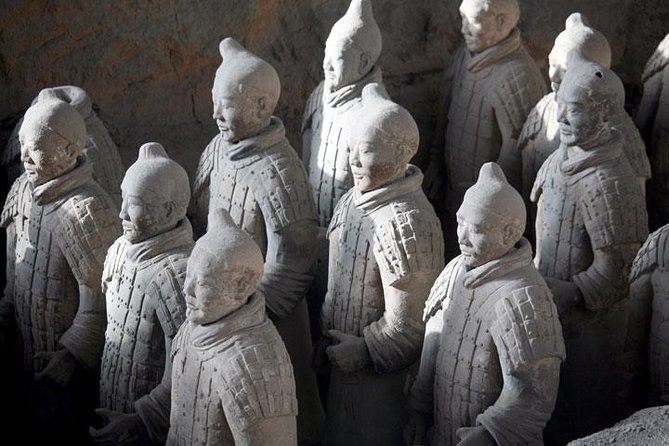
Xi’an is where the tour earns its “China Golden Triangle” label. You get the Terracotta Warriors first, and the structure of the visit is smart: museum time, then a family visit related to the original discoverer, and even a hands-on mini clay warrior making session with a local artisan.
The Terracotta Army Museum is overwhelming in the best way. You’re looking at pottery generals and soldiers arranged like a defensive force built for a ruler’s world. You’ll also appreciate the range of figures—kneeling archers, horses with saddles, and the sense of a massive military formation. The tour sets aside about 4 hours total for this stop, which is enough to see what matters without rushing yourself into fatigue.
After that, you go for a Tang dynasty anchor: Big Wild Goose Pagoda (Dayanta). It’s about an hour, and it functions like a cultural reset after the artillery-sized scale of the warriors. You’ll get a sense of why this pagoda mattered historically for storing Buddhist scriptures brought from ancient India.
Then you get a taste of how Xi’an still performs its heritage in everyday streets. Grand Tang Dynasty Ever Bright City is a pedestrian-style area where you can spot people dressed in traditional clothing and catch cultural shows or street scenes. Even if you’re not hunting performances, it’s a good place to roam with time to breathe.
In the evening-or-later rhythm, the tour also leans into neighborhoods rather than only museums. Xi’an City Wall is first, with access to the wall area and a chance to walk it. There’s also an option to rent a bicycle, but you’d pay that separately. Even without renting, walking sections of the wall helps the city “click” as more than ruins and monuments.
You then visit the Great Mosque of Xi’an and the Muslim Quarter area. This part is a big reason I like structured group tours in China: they can help you find the right “pace.” The mosque visit is about an hour, and then you’re free to stroll the lively Muslim street for snacks. That’s the right mix of guided learning plus personal wandering.
Finally, the Shaanxi History Museum gives you a wider context—thousands of years of Chinese history presented in a museum format. It’s about 2 hours. If you like connecting artifacts to big themes, this museum time makes the city feel less like a list.
Xi’an food note
Only some lunches are explicitly named as included, but the snacks in the Muslim Quarter can be a highlight. Keep it light if you’re also planning to eat at the included lunch on other days, since the tour already builds multiple meals into your schedule.
Chongqing and boarding the Yangtze: where the pace changes
After Xi’an, you fly to Chongqing and then get transferred to board your cruise ship. That shift matters. In the Golden Triangle, you’ve been moving by train and car; on the Yangtze, the days feel more like “a journey” than “a sprint.”
In Chongqing you get a brief city introduction including pandas and Ciqikou Village. Ciqikou is an old village area with folk houses dated to Ming and Qing periods, and it’s known for spicy local snacks. If you like “small streets, old buildings, and bite-sized food adventures,” this is a good buffer day before the ship takes over your routine.
Once you’re on the water, you’ll get a safety orientation and river briefing—part geography, part river lore. It’s not just paperwork. Understanding the river’s curve and gorge sections helps make what you later see feel less like scenery and more like a story.
After lunch, you head to Chongqing Shuanggui Mountain National Forest Park (about 4 hours). You also get a Captain’s Welcome Party around 18:00 with Chinese folk dancing and music performance. It’s the kind of group-friendly moment that makes you feel like the cruise is more than a floating hotel.
Three Gorges day-by-day: gorges, streams, and the big engineering stop
The “big magic” of the Yangtze is that it’s not one view. You get several sections.
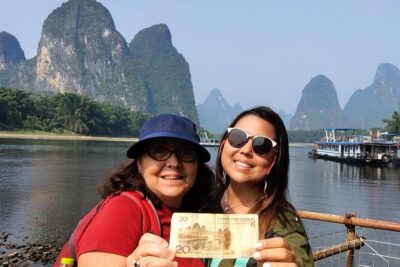
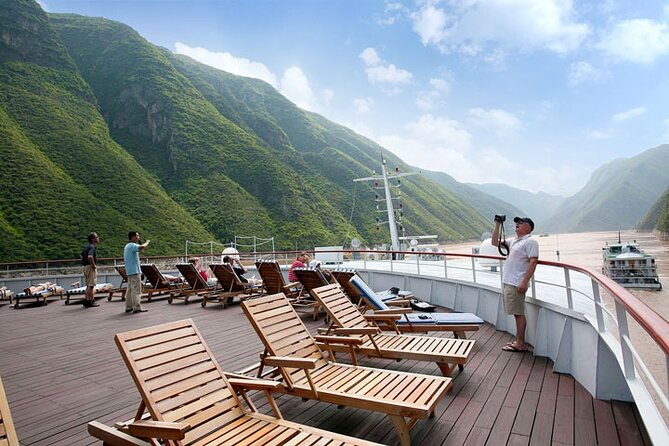
As you sail into Qutang Gorge, the tour emphasizes it as the shortest and grandest of the Three Gorges, with sharp peaks and unusual rocks. Then you pass Wu Gorge, described with lofty, misty peaks. In practice, this is where your camera cards get full. It’s also where you’ll want to stay near the windows and outside decks for short bursts. River light can change fast, and the best views often show up between planned stops.
At some point you disembark for the Shennong Stream excursion. Here the tour includes a boat ride along the crystal stream, with a small motor boat ride that’s faster than a casual rowboat experience. You’ll be close to mossy rocks and green plants, and you might spot local animals along the way. This is one of those excursions where you don’t just look—you move through the scenery, which makes the day feel active even while you’re on a boat.
Then there’s the Three Gorges Dam excursion. You pack your luggage and handle checkout procedures before the visit. The dam is the engineering megastory that changes how the river works. Even if you’re not an engineering nerd, it’s worth seeing because it turns the “river as postcard” into the river as infrastructure—something humans shaped on an enormous scale.
What to expect on timing
A dam day means more buses and more schedules. Keep your daypack organized: small items, water, and anything you need for quick changes in weather.
Shanghai classics: museum, Yu Garden, Huangpu River, Bund, Tianzifang
Shanghai can feel like a different country from the gorges. On arrival, you take a high-speed train into the city and check into a hotel. That quick transition is a big reason this route works: you don’t spend days in transit without purpose—you keep your days anchored to specific, high-value districts.
You start with Shanghai Museum. It specializes in artworks from ancient times, and it’s about 2 hours. If you love artifacts, this is a good “brain reset” after the river visuals. It also offers a calmer pace compared to outdoor photo stops.
Then you go to Yu Garden and its nearby bazaar. Yu Garden is known for details like the Nine Zigzag Bridge and the mid-lake pavilion. This is the kind of place where you’ll want slow steps. The garden works best when you stop and look at how the space is designed to guide your views.
Around noon you get an included a la carte farewell lunch (valued at CNY150 per person). After lunch, the tour adds a one-hour cruise along the Huangpu River. The timing is good because river light tends to flatter skyline views, and you get a moving overview of Shanghai’s “mother river” role in the city’s rise.
Then you hit the Bund (Wai Tan) and get free time. The Bund is classic Shanghai: riverside promenades, landmark facades, and a strong sense of scale. You finish with Tianzifang, a cultural street with artsy stores, bars, and restaurants—perfect for lingering and picking up small items.
Small advice that helps in Shanghai
If you’re sensitive to crowds, plan your best photos early or later than “peak.” The tour includes free time blocks, so use them strategically rather than trying to fit everything into the guided portions.
Price and value: what $3,139 buys you (and what it doesn’t)
At $3,139 per person, you’re paying for a bundled experience: hotels (twin-sharing room) and a cruise cabin, plus a mix of transportation (high-speed train and economy air), guides, experienced drivers, air-conditioned vehicles, entrance fees, and a set number of breakfasts, lunches, and dinners. You also get onboard meals as part of the Yangtze cruise full board.
That’s the key value story: you’re not just paying for sights. You’re paying for orchestration. In China, “orchestration” means not having to negotiate entrances, schedules, and multiple transfers while you’re tired from jet lag.
Still, it’s not all-inclusive. You pay for China visa fees and international airfare. Gratuities to guides and drivers are recommended but not included. And the schedule doesn’t pretend you’ll have lazy days. If you’re the type who likes to wander unplanned for hours, this tour’s structure will feel tight.
One other consideration: the tour summary mentions a stop involving Lhasa, but the detailed day plan you have here focuses on Beijing, Xi’an, Chongqing (for the Yangtze cruise), and Shanghai. Make sure the final version you book matches what you think you’re buying.
Guides and organization: where this tour tends to win
The strongest signal in the feedback is guidance quality and smooth coordination. When guides like Tina are on the job, the group stays moving through crowd-heavy sites, and you get answers instead of frustration. Another positive theme is how the day plan keeps energy up: excellent guides in each area, plus the group dynamic from staying together across multiple cities.
That said, organization can’t eliminate everything. One flagged issue was an arrival-day moment when the guide wasn’t waiting as expected. It didn’t derail the whole trip, but it’s a useful warning: on landing day, confirm your guide’s name and meeting point, and keep the contact channel active until you’re settled.
Who this tour fits best (and who should think twice)
This is a great fit if you want “top China” without building the logistics yourself. You’ll like it if you enjoy a guided rhythm, appreciate major cultural sites (palaces, walls, pagodas, mosques, museums), and you want the Yangtze experience done in a structured way—no searching for ticket lines or figuring out gorge logistics.
You might think twice if you hate schedules, or if you’re looking for lots of free days for independent wandering. This route gives you free time blocks in cities like Shanghai, but the overall flow is packed with high-demand sights.
If you care about walking, plan for it. If you care about comfort, pack for mixed weather (Beijing and the river can both be changeable). And if you like food, you’ll enjoy the included restaurant lunches and the snack opportunities in the Muslim Quarter.
Should you book this Golden Triangle plus Yangtze Cruise?
I’d book it if your priority is big-name China with practical support: guided entrances, major landmarks, and an organized 3-night Yangtze cruise with Three Gorges Dam. The value is strongest when you want your time managed and your transportation handled.
I wouldn’t book it if your top goal is total freedom and slow travel. Also double-check that your final itinerary matches the cities you expect (especially around Lhasa, since the day-by-day plan here doesn’t show it). If it lines up with what you want, this is a solid “one shot at the classics” tour that turns distance into a plan you can actually follow.
FAQ
How long is the China Golden Triangle Cities & Yangtze River Cruise tour?
The duration is listed as about 12 days.
Where does the tour start and what time?
It starts at Capital Airport Shunyi, Beijing 101300, China, with a start time of 9:00 am.
Is pickup offered?
Yes, pickup is offered, and your guide is described as meeting you in the airport arrival hall with a sign and helping with transfer to the hotel.
Which cities are included in the provided schedule?
The provided day plan covers Beijing, Xi’an, Chongqing (for the cruise), and Shanghai.
How do you travel between Beijing and Xi’an?
You take a one-way high-speed train from Beijing to Xi’an.
How do you travel from Xi’an to Chongqing?
You take a one-way economy-class airfare from Xi’an to Chongqing.
How do you travel from the cruise area to Shanghai?
After the Three Gorges Dam excursion, you transfer to Yichang and then take a one-way high-speed train to Shanghai.
How long is the Yangtze River cruise?
It includes a 3-night Yangtze River cruise with full board.
Does the cruise include a Three Gorges Dam stop?
Yes. The tour includes a Three Gorges Dam excursion.
What meals are included?
Breakfast (11), lunch (5), and dinner (2) are listed as included, plus full-board meals on the Yangtze cruise.