REVIEW · PARIS
Your Private boat Captain Guide Explore Historical Paris
Book on Viator →Operated by Paris River Cruise · Bookable on Viator
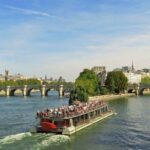
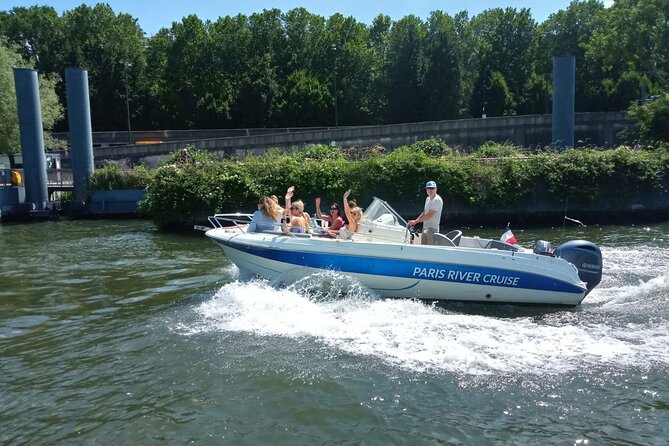
A Seine cruise is the easiest way to feel Paris. On this private boat, you glide past iconic landmarks with a captain-guide telling you what you’re actually looking at. I like the small-group feel (up to 7) and the way you get great views without the big-boat crowd pressure.
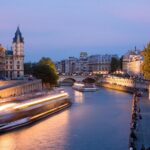
Two things I really like: the route hits the major “wow” sights fast, and it’s guided in a way that makes the details stick. You pass under major bridges like Alexandre III, and you get up close to Île de la Cité and Notre-Dame from the water.
One drawback to plan for: the ride is very weather dependent, and the boat can’t sail in heavy rain. Also, there’s no toilet on board, so think ahead before you board.
In This Review
- Key moments you’ll get on this cruise
- A Private Seine Cruise That Feels Like a Shortcut to Paris
- Port de Javel Haut Start: Short Time Means You’ll Want to Be Ready
- Grenelle’s Torch-Bearing Statue, Then the Eiffel Tower Reveal
- Alexandre III Bridge: The Gold-Crown Bridge You See Best from Underneath
- Pont Neuf and Île de la Cité: Where Paris Began to Coalesce
- Notre-Dame de Paris from the Water: Timing, Scale, and Craft
- Saint Louis Island: Old-Paris Walk Mode and Sweet Stops Like Maison Berthillon
- What’s Included, What to Bring, and How to Maximize Photos
- Weather Rules, No-Toilet Reality, and Who This Cruise Fits Best
- Is It Worth Paying $553 for Up to 7 People?
- Should You Book This Private Seine Cruise?
- FAQ
- Where does the cruise start and end?
- How long is the private boat experience?
- What is included, and can I bring my own food and drinks?
- Is the guide offered in English?
- Is there a toilet on the boat, and is it accessible for reduced mobility?
- What happens if the weather is bad?
Key moments you’ll get on this cruise
- A private captain-guide for up to 7: quieter, more personal, and easier for photos.
- Alexandre III Bridge up close: cast steel, golden crowns, bronze candelabra, and lions—seen from a perfect angle.
- Île de la Cité as the origin point: you’ll connect Lutetia, Capetian power, and Notre-Dame in one short loop.
- Notre-Dame from the Seine: you’ll view the nave and towers’ scale without craning your neck on foot.
- Saint Louis Island vibes: old-Paris strolling energy and a classic sweet stop area like Maison Berthillon.
- Weather-sensitive timing: plan for rain and dress for wind on the water.
A Private Seine Cruise That Feels Like a Shortcut to Paris
This is a short cruise—about 1 hour 30 minutes—but it’s built for impact. You’re not doing a long, slow sightseeing day. You’re doing the Paris highlights loop, from the water, while your captain-guide keeps the story clear and current.
I also like the value logic here. It’s $553 per group (up to 7), so your cost doesn’t rise the way it does on per-person sightseeing boats. If you’re traveling as a family or small group, that private setup can feel like the smart move.
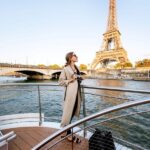
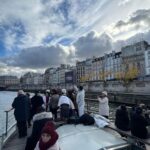
And the reason people rave about this kind of cruise is simple: from the Seine, the city looks staged for photos. Bridges frame the skyline, Notre-Dame has shape and scale, and the Eiffel Tower comes in like a reveal rather than a chore.
You can also read our reviews of more boat tours in Paris
Port de Javel Haut Start: Short Time Means You’ll Want to Be Ready
Your meeting point is at 2 Port de Javel Haut, 75015 Paris. The area is near public transportation, which matters because your trip is time-boxed—any delay shortens the course, and the boat has to leave on time.
Because the itinerary is only about 90 minutes, you should show up thinking: quick on/off, phones charged, and everyone ready to board. This isn’t the kind of tour where you can linger around waiting for the perfect photo on the dock. The boat is the plan; you just have to be there when it’s time.
One practical point: the boat has no toilet. If you’re traveling with kids or you’re on a tight schedule, treat that like part of your planning checklist, not an afterthought.
Grenelle’s Torch-Bearing Statue, Then the Eiffel Tower Reveal
The cruise starts with a historic statue sighting you’d miss if you were only hopping between museum stops. There’s a torch-bearing figure installed and inaugurated in 1889 on the Grenelle bridge. The story goes that it was later repositioned facing the Eiffel area, then moved in 1937 to face New York where its big sister is located.
What I find useful about this stop is that it sets the theme for the whole cruise: Paris isn’t just one era. It’s events, exhibitions, and symbolism layered over time. A statue like this becomes a quick lesson in how Paris markets itself—and how the world’s grand landmarks start talking to each other.
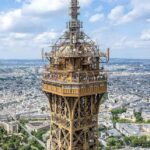
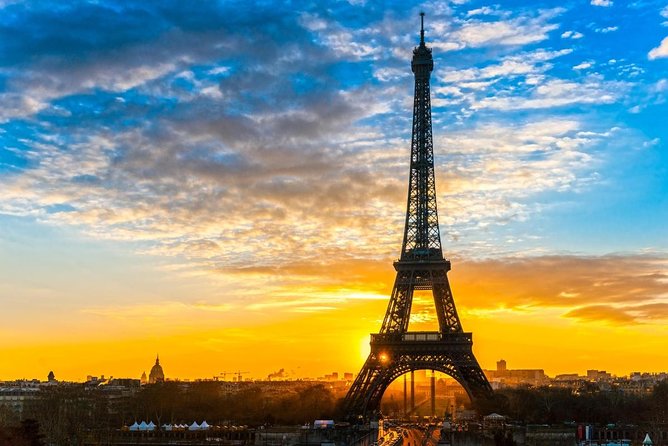
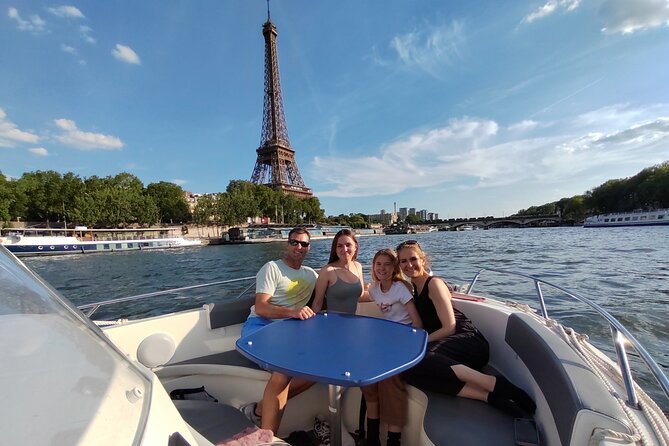
Then it’s on to the Eiffel Tower, with the context that the tower was built for the 1889 Universal Exhibition. As you pass, you’re not trying to “do” the Eiffel Tower like a walking line experience. You’re absorbing it from the river, where the tower becomes part of the geometry of bridges, banks, and water.
Alexandre III Bridge: The Gold-Crown Bridge You See Best from Underneath
This is the kind of bridge that makes you slow down, even if you’re already at full sightseeing mode. You pass under the Alexandre III Bridge, and it’s loaded with details the eye can actually catch from a boat.
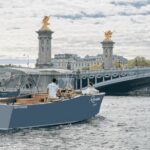
The key facts you’ll hear: the bridge is cast steel, 160 meters long, and built with classic decoration. It includes 32 bronze candelabra (multi-branch lamps), 4 pillars each topped with golden crowns, cast-iron ornamentation in a Louis XIV style, and lion statues at each end.
Why this matters for you: bridges in Paris can be purely functional when you view them on foot. From the Seine, Alexandre III becomes a moving frame. Each second gives you another slice—lamps, crowns, lion faces, and the symmetry above.
This bridge is also classified as a historic monument since 1975, so even if the details are what catch your eye, the importance is what keeps it from feeling like just sightseeing decoration.
Pont Neuf and Île de la Cité: Where Paris Began to Coalesce
Next comes two big “origin of Paris” stops in river form.
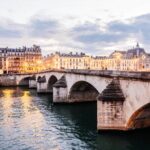
First, you’ll pass by a major early stone bridge connected to Henry III. The decision for France’s first stone bridge was made in 1577. One year later, Henry III laid the first stone in a public moment with Catherine de Medici (the queen mother) and Louise de Lorraine (the king’s wife) present. Work continued until 1588.
This is a nice contrast to all the 1800s landmark energy. It reminds you that Paris building projects don’t just happen for style—they happen for structure, control, and connection. When you see this bridge from the water, it feels less like a postcard and more like a milestone.
Then you move into Île de la Cité, the cradle of Paris. The narration ties the island to the original nucleus of Lutetia, then to the shift toward civil, military, and religious power housed behind fortifications. After the year 1000, the Capetian kings built a first royal palace, which is tied to the current Palace of Justice. The bishops of Paris built Notre-Dame Cathedral, and as the city grew, people spread to Saint Louis Island and onto both banks of the Seine.
This is one of those stops where you’ll feel the tour doing its real job: making the map in your head. After Île de la Cité, Notre-Dame doesn’t feel like a standalone building. It feels like the anchor of a whole system.
You can also read our reviews of more guided tours in Paris




Notre-Dame de Paris from the Water: Timing, Scale, and Craft
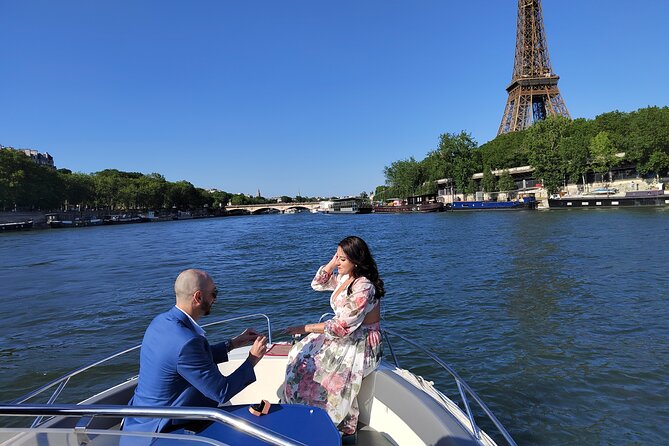
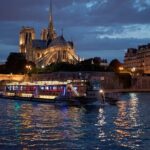
When you pass Notre-Dame de Paris, you get the Middle Ages version of “big project energy.” The first stone was laid in 1163, and construction lasted about two centuries, ending in 1351.
The architecture details you’ll hear help you look smarter: the stained glass windows, the nave, the framework, and the towers reaching 69 meters high. Even if you don’t go inside, you can still read scale and construction logic from the river view—especially the way the towers dominate the skyline.
Why I think this works well on a boat: it takes the stress out of viewing. You don’t have to fight crowds in tight streets or angle yourself for the perfect exterior shot. From the Seine, Notre-Dame sits in a wider context, so you see the cathedral as part of the city’s riverside plan.
Saint Louis Island: Old-Paris Walk Mode and Sweet Stops Like Maison Berthillon
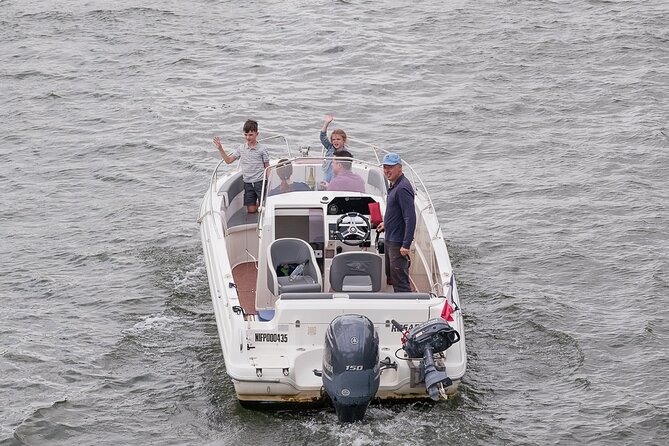
The cruise also includes a look at Saint Louis Island, which is known for strolling and for that older, calmer Paris atmosphere. It’s a favorite place for lovers of Old Paris, walkers, and tourists who want a more intimate feel than the main sightseeing corridors.
The tour mentions practical “in-the-area” highlights you can use later: Maison Berthillon for its famous ice creams, charming bookstores, pretty shops, and cafés. Even though the time on the water is short, this stop gives you a realistic next step after the cruise.
If you’re thinking like a planner, this helps you convert the tour into a bigger day. You cruise, you get oriented, and then you can pick one or two places on Saint Louis Island to follow up on based on what you liked most from the boat view.
What’s Included, What to Bring, and How to Maximize Photos
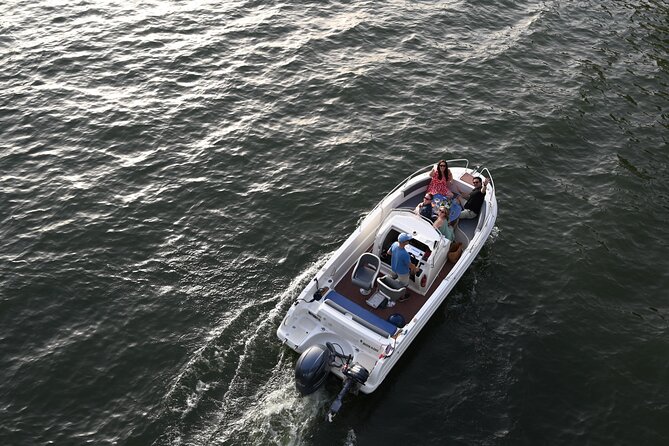
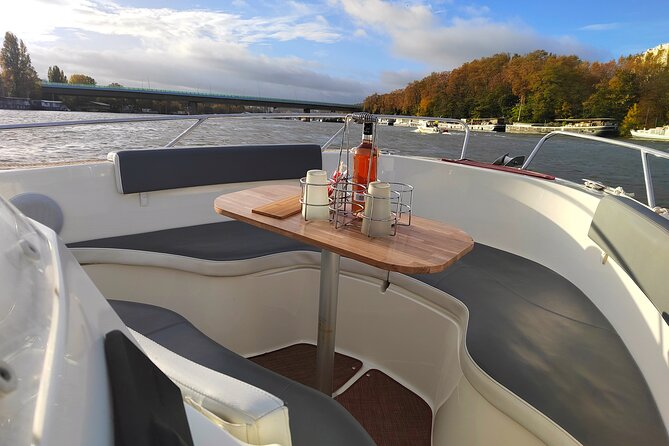
This tour includes a private captain and guide, plus a small onboard comfort setup: a bottle opener and plastic cups. Food and drinks aren’t included, but you can bring them yourself.
That’s a key detail for value. Instead of paying for overpriced onboard drinks, you can bring snacks, water, and what you like to sip. If you’re traveling with wine, it’s reasonable to plan on a simple setup for opening and serving—this cruise has helped guests with that kind of convenience in the past.
For photos, the big advantage is the boat’s privacy. You’re not forced to shoot around strangers standing shoulder-to-shoulder. And when the captain helps you with photo timing and spots, you’ll waste less time fiddling and more time capturing.
One more practical thing: plan your outfits for river wind. Even in good weather, you’ll feel the breeze. A light layer goes a long way, especially if you’re cruising in fall or winter months.
Weather Rules, No-Toilet Reality, and Who This Cruise Fits Best
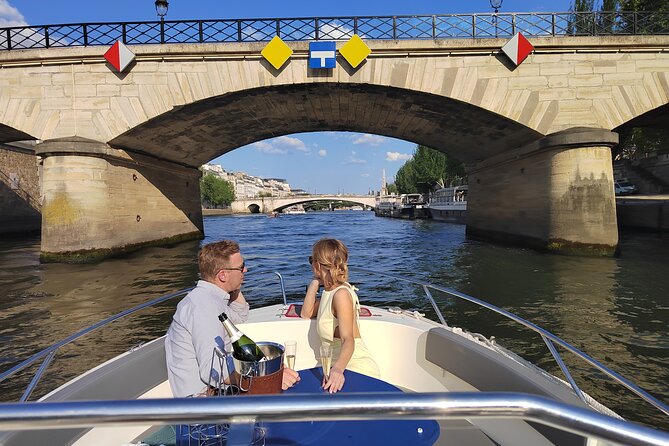
There’s no getting around it: this experience is highly weather dependent. The boat can’t sail in heavy rain, and it’s a good idea to check the weather forecast 48 hours before departure. If rain is predicted for the entire day and your booking is in that window, rescheduling is usually the smarter call.
This is where your best experience comes from: flexible timing. When conditions are questionable, the captain may adjust timing when possible, and in cooler months some groups have benefited from extra warmth like blankets. I’d still plan to bring your own warm layers because you can’t count on anything beyond what the tour itself includes.
Also, note the limits: the boat is not accessible to people with reduced mobility. The tour expects moderate physical fitness, and older travelers need full mobility. If your group includes someone with mobility constraints, you’ll want to reconsider this format.
Finally, the cruise runs without a toilet onboard. That sounds small until you’re on a 90-minute timeline with kids or a tight schedule. Take care before boarding and you’ll enjoy the ride without interruptions.
Is It Worth Paying $553 for Up to 7 People?
For me, this is the main decision point.
A private boat costs real money, but this one has a built-in value mechanism: it’s per group up to 7. That means families, friend groups, and couples traveling together can get a premium experience without paying premium-per-person pricing.
You’re also paying for something that’s hard to replicate on land: river angles, bridge underpasses, and a guided pass-by format that covers major sites in a tight route. If you’ve already done several walking attractions that week, this offers a different pace that still feels like you saw the headline Paris icons.
If you’re a solo traveler, the price may feel steep compared with shared cruises. But if you can split the cost with even a few people, the private factor becomes the reason to book.
Should You Book This Private Seine Cruise?
Book it if you want Paris at “high view rate” in a short time. I’d especially recommend it for small groups who care about photos, prefer calmer pacing, and want a captain-guide who can connect landmarks like Alexandre III Bridge, Île de la Cité, and Notre-Dame into one coherent walk of the river.
Skip it—or be ready to reschedule—if your trip depends on perfect weather or if your group needs accessibility features or a toilet onboard. And if you hate being on a tight schedule, remember: the boat leaves on time, and delays shorten your ride.
If you can handle wind and rain contingency, this is one of those Paris experiences that feels like it pays you back fast—beautiful views, iconic stops, and a private setting that makes the whole thing feel special.
FAQ
Where does the cruise start and end?
The tour meets at 2 Port de Javel Haut, 75015 Paris, France. It ends back at the meeting point.
How long is the private boat experience?
The duration is about 1 hour 30 minutes.
What is included, and can I bring my own food and drinks?
The tour includes a private captain and guide, plus a bottle opener and plastic cups. Food and drinks are not included, but you can bring them onboard.
Is the guide offered in English?
Yes, the experience is offered in English.
Is there a toilet on the boat, and is it accessible for reduced mobility?
The boat does not have a toilet. It is not accessible for people with reduced mobility.
What happens if the weather is bad?
This experience is highly weather dependent. The boat cannot sail in heavy rain, and you should check the forecast 48 hours before departure. If it’s canceled due to poor weather, you’ll be offered a different date or a full refund.