
REVIEW · PARIS
Paris: Museum Pass 2, 4 or 6 days and Seine River Cruise
Book on GetYourGuide →Operated by ParisCityVision · Bookable on GetYourGuide
Paris runs on tickets and time slots. This combo is interesting because it pairs a Paris Museum Pass (2, 4, or 6 days) with a 1-hour Seine cruise that plays recorded commentary in 14 languages. It’s built for travelers who want major sights without spending half the day staring at ticket machines.
The big attraction here is convenience: you get skip-the-ticket-line access to top stops like the Louvre, Versailles, the Arc de Triomphe, and Sainte-Chapelle. The main consideration is that a few headline sites still depend on timed reservations, so you may not always land the slot you want in peak season, even with the pass.
In This Review
- Key Highlights at a Glance
- Paris Museum Pass: The Real Value of 2, 4, or 6 Days
- Skip-the-Line Access: What It Helps With (and What It Doesn’t)
- The Louvre Requirement: Time Slots You Can’t Wing
- Versailles and Sainte-Chapelle: The Pass Meets Peak Demand
- Arc de Triomphe and City Landmarks: Better Than Waiting Around
- Smart Museum Strategy: How to Avoid the “Run All Over Paris” Trap
- The Seine River Cruise: All-Glass Views and 14-Language Earphones
- Price and Value: Is $141 Worth It?
- Pickup and Day-of Flow at 3 Place des Pyramides
- Should You Book This Paris Museum Pass and Seine Cruise?
- FAQ
- What’s included in the Paris Museum Pass 2, 4 or 6 days and Seine River Cruise?
- How long is the Seine River cruise?
- Does the cruise have commentary, and in how many languages?
- Where do I collect my pass and cruise ticket?
- Do I need a time slot to visit the Louvre with the pass?
- How are the pass days calculated?
- Can I visit the same site multiple times with the pass?
- Who has free access to most museums and monuments?
- Is the experience wheelchair accessible?
- Is there free cancellation?
Key Highlights at a Glance
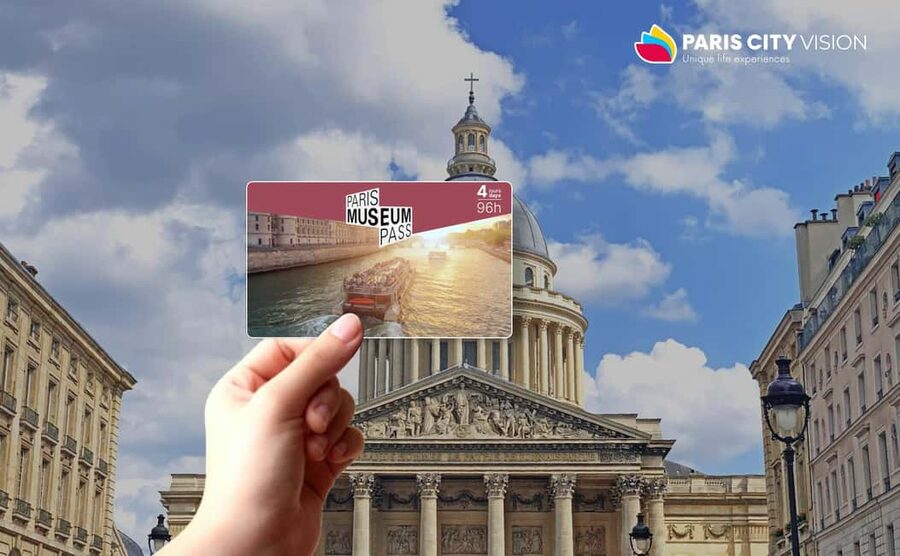
- 2, 4, or 6 consecutive-day pass: validity runs for your chosen stretch of days
- Skip-the-line access at major museums and monuments: faster entry at top picks
- Louvre entry needs your pass plus a free time-slot confirmation: don’t skip this step
- Seine cruise on an all-glass boat: open-air deck views plus earphones with 14 languages
- Pass counts start from your first visit time: start smart, not late
- One unique admission per site: you can’t repeat every stop endlessly
Paris Museum Pass: The Real Value of 2, 4, or 6 Days
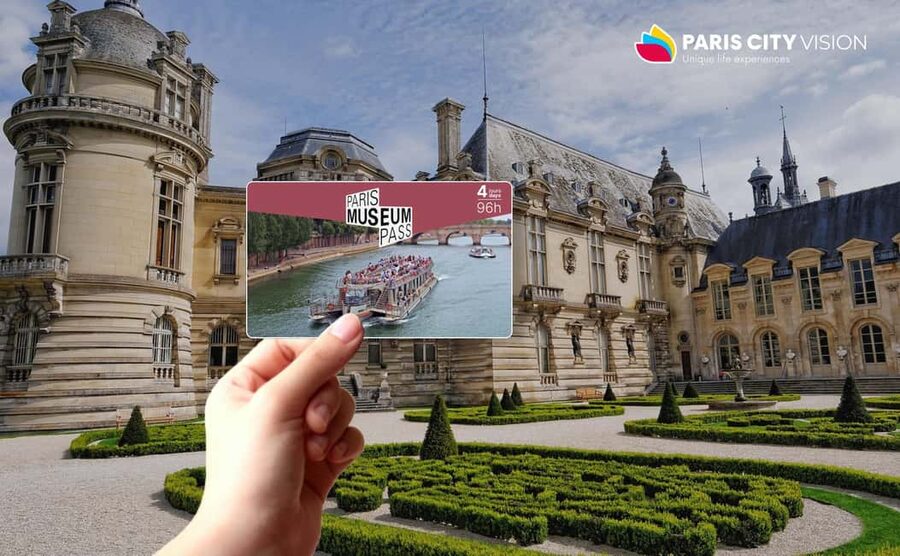
The Paris Museum Pass is basically a planning tool disguised as a ticket. You’re paying to trade uncertainty for control: pick your sights, walk through the right entry flow, and spend your time in galleries instead of lines. The pass covers over 50 museums and monuments in Paris and nearby areas, which is great if you’re the kind of traveler who likes options—especially when weather changes or you spot something interesting on a corner.
Here’s how the timing works, and it matters: your pass validity is calculated from the time of your first visit, at any time during the day. That means if you “waste” your first day by starting late, you’re quietly shortening the total number of hours you can actually use. You don’t need a rigid schedule, but you do want a first visit that gets you moving.
Between the 2-day, 4-day, and 6-day choices, value comes down to how many distinct sites you’ll realistically hit. A six-day plan that covered about 11 museums was reported to save around €66 versus buying tickets separately—so when you stack admissions, the math starts to work. If you only see a handful of places, the pass can feel like you paid for flexibility you didn’t fully use.
One more rule changes how you think about “winning” the pass: it allows one unique admission per site, no matter whether you buy the 2-, 4-, or 6-day version. So this isn’t a “come back for a second look” ticket. It’s a “choose your stops and move” ticket.
You can also read our reviews of more boat tours in Paris



Skip-the-Line Access: What It Helps With (and What It Doesn’t)
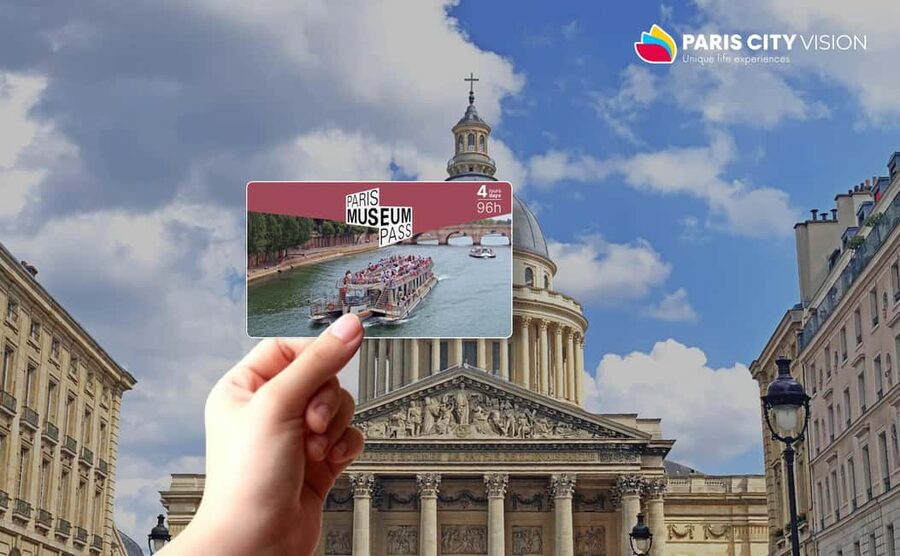
Skip-the-line access is the part that feels most freeing once you’re there. It’s especially helpful for headline museums where normal entry lines can be long and slow. With the pass, you’re set up to explore big-name places such as the Palace of Versailles, the Louvre Museum, the Arc de Triomphe, and Sainte-Chapelle without going through the usual ticket line.
But I’d treat skip-the-line as time-saver, not magic wand. The pass is designed to improve entry speed, yet certain sites still rely on timed procedures. The Louvre is the clearest example: each pass holder must present the pass plus a document confirming a free time-slot reservation. You book that time slot online, separately, and it’s required for access.
So your strategy should be: use the pass for fast entry, then protect your must-dos with reservations where required. In peak season, trying to do everything on the fly can backfire, and it’s not the pass’s fault.
Also, pace is real. One common downside of “hit everything” travel is museum fatigue, especially if you run across multiple neighborhoods in one day. With a pass that encourages you to go everywhere, it’s easy to overbook yourself. Your feet will keep receipts. If you want the pass to feel like a win, schedule fewer, smarter visits per day.
The Louvre Requirement: Time Slots You Can’t Wing
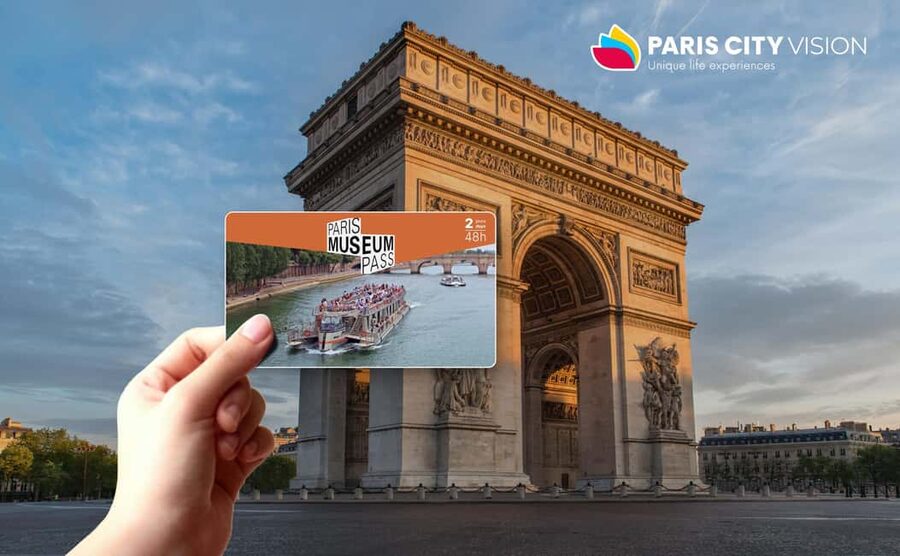
The Louvre is the one that can trip you up if you assume the pass alone is enough. It isn’t. To access the Louvre, you must bring your Paris Museum Pass plus the free document confirming your Louvre time-slot reservation. You can book the time slot through the Louvre’s online ticketing service.
This turns your planning from optional to essential for one reason: the Louvre is popular, and timed entry keeps it controlled. Even with priority entry benefits, the site still expects you to arrive at your assigned window (or follow its specific reservation rules).
Here’s how to make this easy on yourself:
- Pick your Louvre day early, ideally within the first couple of days you’re using the pass.
- Book your time slot as soon as you know when you’ll start using the pass, so you’re not juggling last-minute options.
- Treat the Louvre as an anchor. Then build around it rather than forcing it into a jammed schedule.
The payoff is big. Once you have the right setup, you can spend your time where you want it—inside rooms with famous works—rather than standing around sorting out ticket rules.
Versailles and Sainte-Chapelle: The Pass Meets Peak Demand
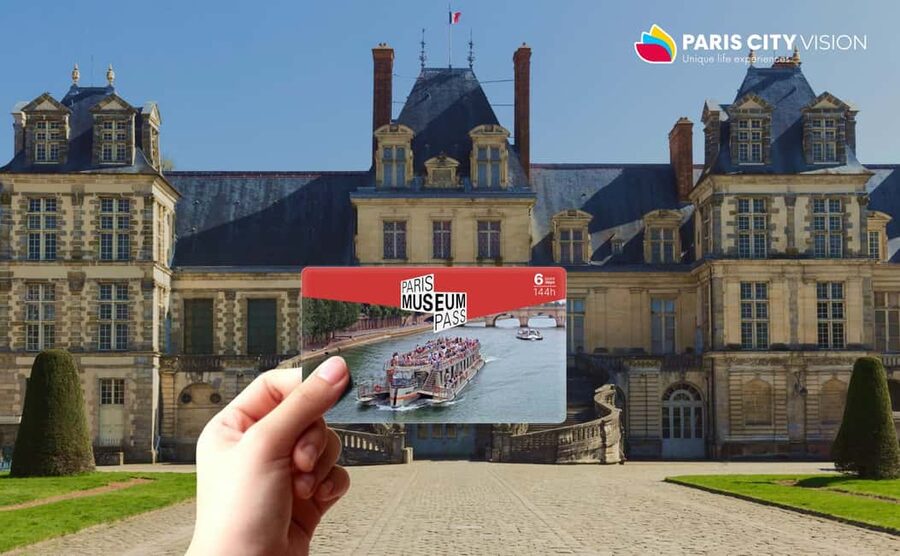
Versailles and Sainte-Chapelle are exactly the kind of places you’ll want to see when you buy a pass. The catch is that demand can be stubborn. Even with the Museum Pass providing priority-style access, getting specific time slots can still be hard at peak travel moments, especially for the most popular periods of the day.
So I recommend treating these as reservation-priority sites, not casual add-ons. If your dream plan includes Versailles (and especially Sainte-Chapelle), plan your days to align with your likely slot availability.
One practical way to avoid the frustration: decide what’s flexible. If Versailles is your must-do, let other museums shift around it. If Versailles can bend, you can keep your schedule fluid and still get value from the pass. This is also where your “2 vs 4 vs 6 days” choice matters: more days means more chances to fit slots in, even if you don’t get everything you want.
Arc de Triomphe and City Landmarks: Better Than Waiting Around
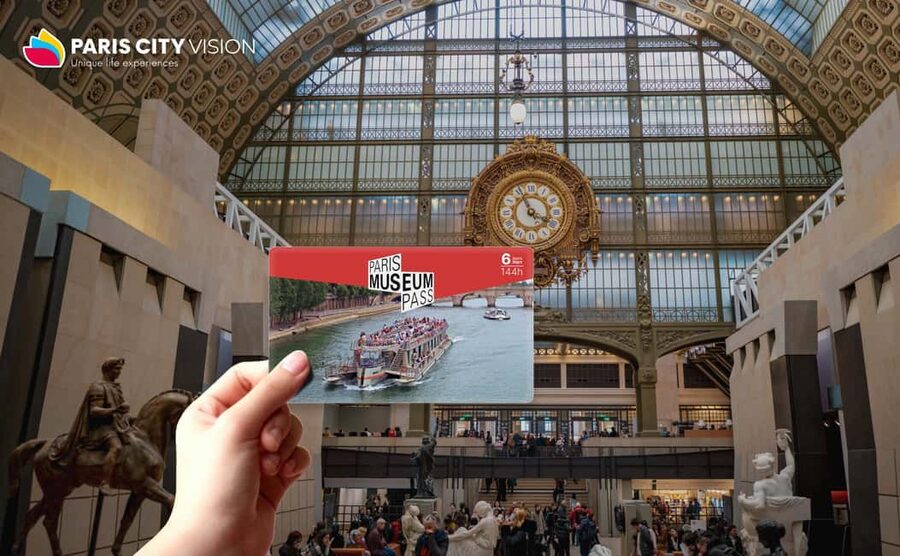
The Arc de Triomphe is one of those experiences where timing changes everything. When you’re visiting with the pass, you get skip-the-line access support, which helps you reach the viewpoint without burning the afternoon in entry queues.
The best value move here is simple: pair iconic sights with a time-of-day goal. For example, sunset at the Arc de Triomphe can turn the view into a different kind of Paris story—warm light, busy streets below, and a sense of scale. If you don’t care about sunsets, that’s fine too, but knowing what you want from the view helps you decide where to spend your limited energy.
What I like about including landmarks like this alongside museums is that the pass doesn’t trap you in indoor time. You’re also free to mix high-ticket and lower-key stops. That balance keeps your days from feeling like a checklist.
You can also read our reviews of more museum experiences in Paris






Smart Museum Strategy: How to Avoid the “Run All Over Paris” Trap
A Museum Pass can accidentally encourage the worst habit: cramming. If you have a pass for 4 or 6 days, it’s tempting to sprint from one end of Paris to the other each day. The problem is travel time and decision fatigue. Even the most enthusiastic art lover has a breaking point.
A better approach is to cluster. Pick a neighborhood theme for each day—classic sights one day, museums in another, and a slower day where you don’t need to rush. This helps you:
- spend less time in transit,
- reduce the chance you’ll miss a timed entry (where required),
- keep your energy for the parts you actually love.
There’s also a payoff to using the pass for less crowded days. One example that fits this idea: Château de Vincennes came up as a place that can feel emptier to explore with the pass. It’s a reminder that the pass isn’t only for the “front page” stops. You can use it to find a calmer rhythm when you need a break from the busiest attractions.
The Seine River Cruise: All-Glass Views and 14-Language Earphones
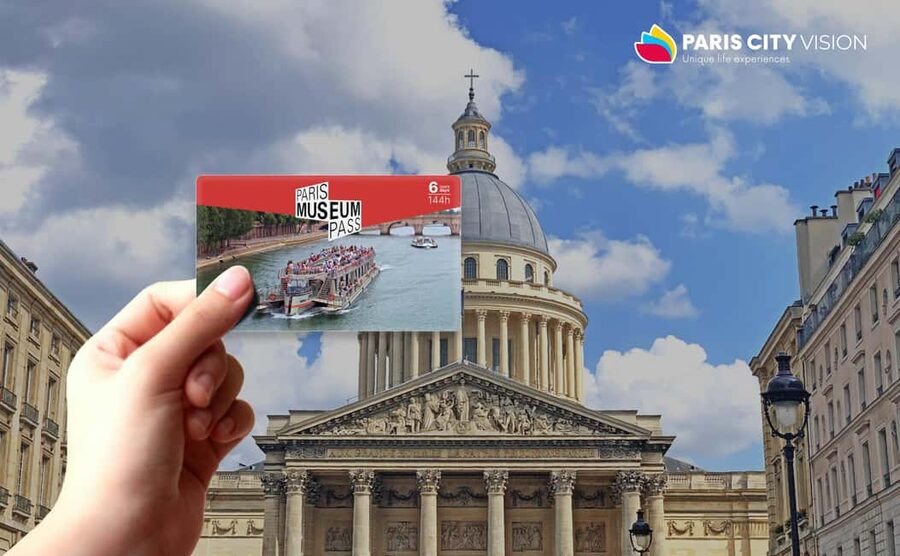
If you want a low-stress, high-payoff addition, the Seine cruise is it. You get a 1-hour commented cruise along the river with recorded commentary available in 14 languages. You’ll listen through individual earphones, so the experience stays comfortable even in a group.
The boat is all-glass with an open-air observation deck. That’s a practical detail with real impact: the glass helps you stay protected while still letting you see the city close-up. And the open-air deck gives you the option to step outside for fresher air and more direct views.
The cruise adds value because it resets your perspective. Museums are intense: you’re staring at details for hours. On the Seine, your brain gets a break and you start noticing how Paris connects—bridges, embankments, landmarks aligning along the water.
It also works well as a planning cushion. If you end up tired from a museum-heavy day, the cruise is a lighter commitment that still feels like you did something very Paris.
Price and Value: Is $141 Worth It?
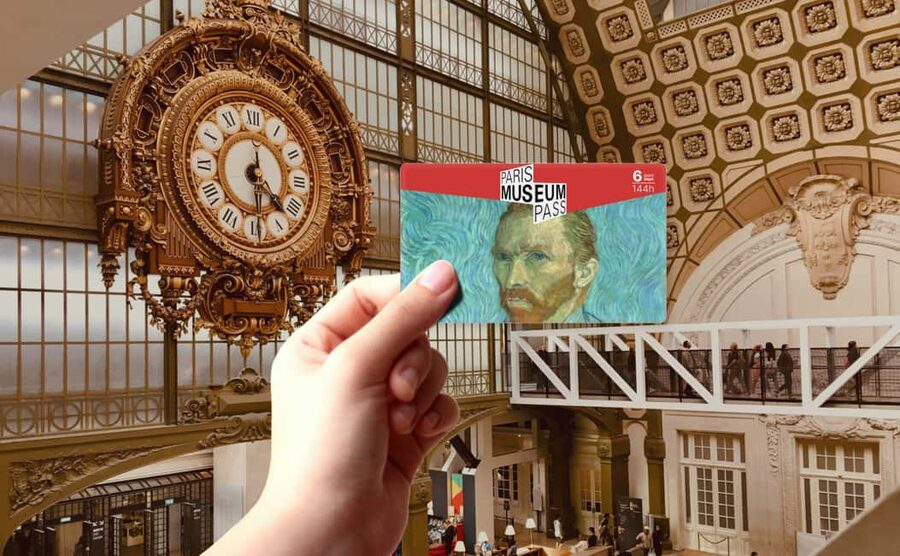
At around $141 per person for the package, the pass-plus-cruise deal can be a strong value if your plan is realistic. The easiest way to judge it is to ask: how many paid admissions will I likely replace with the pass?
The pass covers 50+ museums and monuments, but you only benefit from sites you actually visit. If you see 8–12 major places across your chosen days, you often start to feel like you’re ahead—especially once you include a priority-style entry benefit and a paid cruise component. The reported six-day example that hit around 11 museums and saved roughly €66 is the kind of outcome that supports the idea: when you stack admissions, the cost starts to look reasonable.
If you’re only planning a small number of museums, the pass may feel expensive. And remember the rule: one unique admission per site. So your best-case scenario isn’t unlimited revisits; it’s hitting a good set of different places.
My practical recommendation: choose the pass length that matches your energy, not your ambition. A 4-day pass often hits the sweet spot for many people because it’s long enough to handle slot uncertainty but not so long that you run out of steam.
Pickup and Day-of Flow at 3 Place des Pyramides
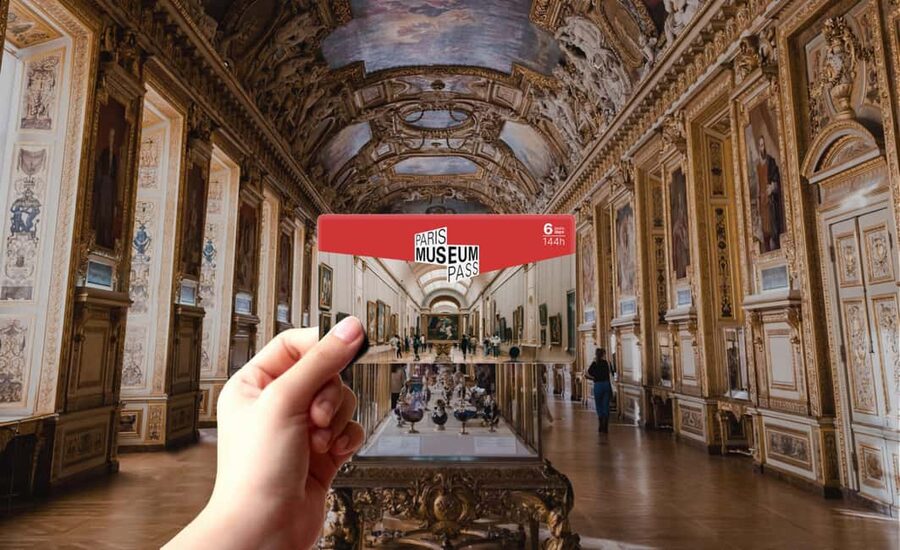
The pass and cruise ticket are collected at the Paris City Vision agency: 3, Place des Pyramides. That’s a helpful detail because it affects how you structure your first day.
Plan your first visit so you’re not starting your pass countdown while you’re still figuring out where you need to be. Since pass validity is counted from the time of your first visit, you’ll get more usable time if you activate the first day with an actual attraction visit—not just with a slow morning.
Also note that the experience is listed as wheelchair accessible, which is worth knowing if mobility needs affect how you plan museum days and stairs.
If you’re aiming to get the Louvre and Versailles right, give yourself time to handle the reservation step before you show up. Having the required confirmation document avoids a lot of unnecessary stress.
Should You Book This Paris Museum Pass and Seine Cruise?
You should book this if you want a flexible Paris plan with built-in time savings. The biggest wins are skip-the-line access for major sights, the ability to choose a lot of museum options across 2, 4, or 6 consecutive days, and the add-on Seine cruise with all-glass views plus 14-language commentary through earphones.
I would not book it if your plan depends on seeing every single top attraction in peak season without reservations. The pass helps, but slot access can still limit you, especially for heavy-demand sites like Versailles and Sainte-Chapelle. And if you tend to overpack your schedule, the pass can tempt you into museum fatigue.
One smart rule of thumb: if you can commit to booking the required Louvre time slot and you’ll realistically visit enough different sites to justify the cost, this combo is a solid way to buy yourself freedom.
FAQ
What’s included in the Paris Museum Pass 2, 4 or 6 days and Seine River Cruise?
You get a Museum Pass valid for 2, 4, or 6 consecutive days, plus a 1-hour commented Seine River cruise with recorded commentary in 14 languages and individual earphones.
How long is the Seine River cruise?
The cruise lasts 1 hour.
Does the cruise have commentary, and in how many languages?
Yes. The commentary is recorded and available in 14 languages.
Where do I collect my pass and cruise ticket?
You collect them at the Paris City Vision agency at 3, Place des Pyramides.
Do I need a time slot to visit the Louvre with the pass?
Yes. Each pass holder must present their pass along with the document confirming a free Louvre time-slot reservation.
How are the pass days calculated?
Validity is calculated from the time of your first visit, at any time during the day.
Can I visit the same site multiple times with the pass?
No. The pass allows 1 unique admission to each site, regardless of the pass period.
Who has free access to most museums and monuments?
Children under 18 and European citizens under 26 have free access to most of the museums and monuments.
Is the experience wheelchair accessible?
Yes, it is listed as wheelchair accessible.
Is there free cancellation?
Yes. You can cancel up to 24 hours in advance for a full refund.