REVIEW · LONDON
TopView® 24 Hr Hop on Hop off Bus Tour with River Cruise & Walks
Book on Viator →Operated by TopView London · Bookable on Viator
London’s loop turns chaos into a plan.
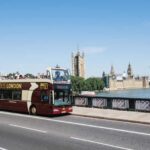
This one-day package is built for self-paced sightseeing: ride as many times as you want for 24 hours, then hop off for landmark photos, museum breaks, and street-level exploring. I especially like pairing a hop-on bus with a one-way Thames river cruise, because it gives you the waterfront view without needing extra planning. One thing to weigh: timing can be messy at certain stops, and a late start or long wait can knock you off a cruise or walking plan.
What makes it feel useful is the mix of big-ticket stops and flexible add-ons. You’ll cover the core sights by bus—West End, Westminster, the City, Tower area, and down into Kensington—then you can add up to three walking tours chosen from the available options. I also like that the buses are frequent and the experience is designed for English speakers.
My main caution is practical: don’t rely on a perfect schedule. Some passengers reported the first bus not arriving when expected, plus waits between buses at a few stops. If you’re the type who hates risk, build extra buffer time for transfers and start earlier rather than later.
In This Review
- Key takeaways before you ride
- How the 24-hour hop-on hop-off loop actually helps
- Starting point at Marble Arch: West End without the overwhelm
- Piccadilly Circus to Trafalgar: where the bus shines for first-timers
- Whitehall to Westminster Pier: Big Ben and London Eye time your way
- St. Paul’s and Monument: the City route for real landmark hits
- Tower of London to the river: turning history into a view
- Temple to Lambeth Palace to Parliament Square: classic London angles
- Buckingham Palace to Kensington: big royal views, then museum country
- Baker Street and London Lights: a night-facing option
- Walking tours (up to three): how to choose wisely
- Price and value: why $49.37 can make sense
- Practical tips: avoiding the common snags
- Who this tour suits best (and who should skip it)
- Should you book TopView’s 24-hour bus plus cruise?
Key takeaways before you ride
- 24 hours of unlimited hop-on hop-off means you can slow down or speed up based on your energy
- One-way Thames cruise (City Cruises from Tower Millennium Pier or Westminster Millennium Pier) adds a change of scenery fast
- Up to three walking tours included helps you turn bus stops into real neighborhood walks
- Earbuds for highlights make it easier to learn what you’re seeing while moving through traffic
- Flexible boarding across major zones (Westminster, City, Tower, Kensington) reduces the need to backtrack
How the 24-hour hop-on hop-off loop actually helps
A lot of London sightseeing feels like a treadmill: tube, walk, map check, repeat. This tour flips that. You get a full 24-hour window to ride, so you’re not forced to cram everything into a short burst.
In practice, it’s best used like this: take one full loop early (or at least a big chunk of it), then come back later for whatever you lingered on. The stops are set up around the most recognizable sights, so the bus becomes your moving guidepost. If you’re traveling solo, with kids, or with someone who wants autonomy over group pacing, this style usually lands well.
The other benefit is how it changes decision-making. You’re not stuck with one fixed itinerary. If you want to do a quick walk from Westminster to the river, or you’d rather spend time by St. Paul’s, you can. If you’re tired, you can just hop back on and roll to the next area.
Still, this is not a “no-wait” system. Even with frequent arrivals, London traffic, driver decisions, and uneven spacing between stops can create real gaps. Build buffer into your day, especially around the river cruise timing.
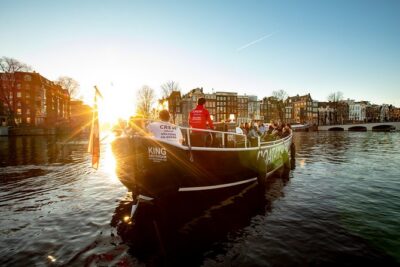
You can also read our reviews of more boat tours in London


Starting point at Marble Arch: West End without the overwhelm
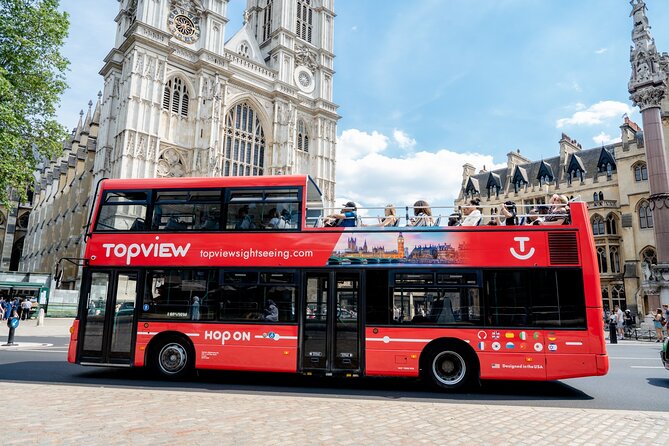
Your route begins at Marble Arch (Park Lane area, near Speakers’ Corner). This matters because it puts you on the west side of central London, where you can get your bearings quickly. You can start by seeing the wide avenues and the grand, formal look of this part of town, then gradually work your way toward the showpiece sights further east.
Marble Arch is also a good choice if you want room to breathe before the density kicks in. You’re still close to major streets and public transport, but you’re not instantly dropped into the thicket of Leicester Square-style crowds.
A practical downside: some passengers reported buses not running as late at certain stops. If you’re hoping to end your day right back at Marble Arch at the last possible minute, leave yourself options so you’re not stranded or forced to improvise.
Piccadilly Circus to Trafalgar: where the bus shines for first-timers
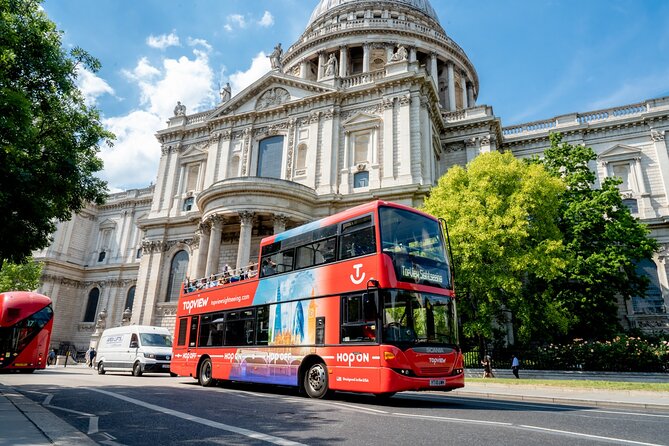
From Marble Arch, you roll into Piccadilly Circus and then on to Trafalgar Square. These stops are classic because they’re landmarks you can’t miss, and they’re surrounded by streets that reward wandering.
At Piccadilly, your instinct will be to step off for photos and street energy, then hop back on to keep moving. Trafalgar Square is similar, but it’s even better for a longer pause: you can linger around the square itself, then branch out toward nearby streets on foot.
The big value here is scale. Instead of trying to plan a route through a dozen corners, the bus compresses the effort. You’ll see the shape of central London, and you’ll start recognizing the corridors that connect Westminster, the West End, and the City.
The watch-out is simple: these are popular areas. Even if the bus runs well, crowds and stop-and-start boarding can make it feel slower than the ride itself. Treat boarding time like part of the experience, not something to fight.
Whitehall to Westminster Pier: Big Ben and London Eye time your way
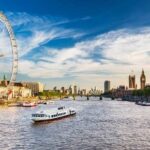
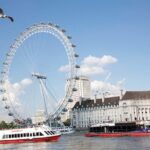
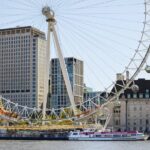
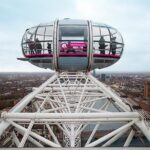
Next comes the Westminster cluster—this is where the tour earns its name. You’ll pass through stops around Craig’s Court and then reach the Big Ben / Westminster Pier area. You’ll also get a stop close to the London Eye.
This section is the anchor of the day for most people. It’s where London looks like London on postcards, and it’s also where you’ll want to take short walks in between rides. The best strategy is to get off near the river, walk for 15–30 minutes, then re-board to avoid turning the day into a long trek.
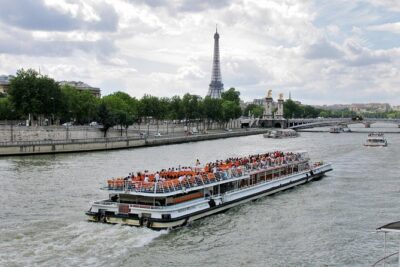
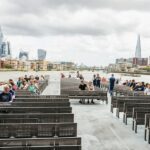
The Thames cruise is the key add-on here. The included Thames river cruise is operated by City Cruises, and you can board from Tower Millennium Pier or Westminster Millennium Pier depending on the option you use. That flexibility is valuable. If you’re closer to Westminster when you’re ready, you can take it sooner. If your day trends toward the Tower side, you can line it up there.
One real-world consideration: if bus timing goes sideways, the cruise can become the first thing you miss. Some passengers reported delays that caused them to miss the last cruise. That’s the moment where the tour stops being “flexible” and becomes “tight.” If you care about the river cruise, plan to start the Westminster-area portion earlier than you think you need to.
St. Paul’s and Monument: the City route for real landmark hits
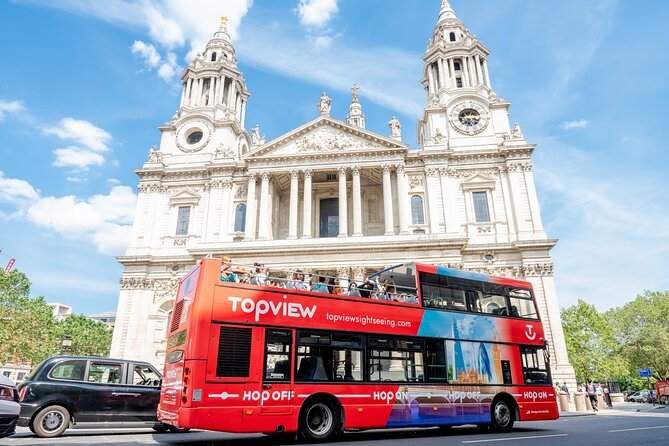
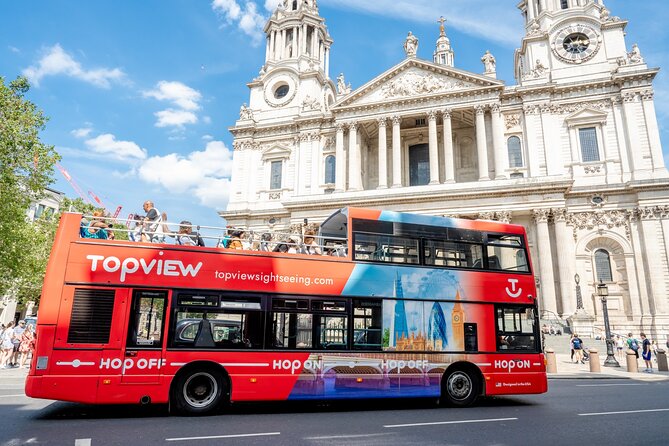
After Westminster, your route moves into the City direction, including Aldwych and then St. Paul’s Cathedral. St. Paul’s is the kind of sight that makes the bus stop worth it, because the surrounding streets let you frame the cathedral from different angles.
From there, you reach Monument to the Great Fire of London (Monument area near Pudding Lane). This is a more thoughtful stop than it first seems. It’s not just a photo spot. It gives you a point of reference for understanding how London rebuilt itself after the Great Fire, and it’s one of those small stops that makes the City feel layered instead of just busy.
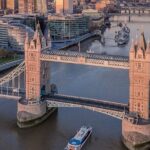
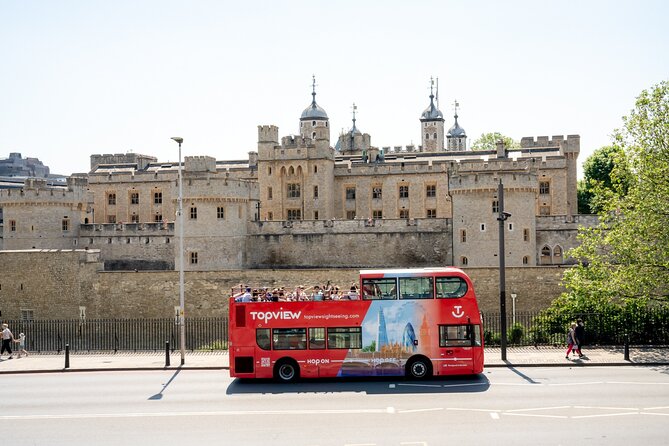
Then you head toward Tooley Street (Vine Lane) and the Tower of London area. This is a logical progression: you get the “church dome” moment first, then the City memorial, and then the heavy-hitter of the Crown’s historic power.
The drawback you should be ready for here is pacing. These are still major stops, but the bus ride can feel longer as traffic shifts and boarding varies. If you’re planning museum time, keep your expectations realistic: you’ll likely do a stop, a walk, and then decide how long to stay based on how quickly you can re-board.

Tower of London to the river: turning history into a view
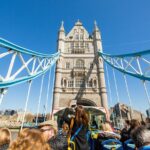
The Tower zone is one of the most rewarding places to stop because it’s both a landmark and a transition point. You can see the fortress feel of the area, then shift toward the river.
You’ll also encounter Westminster Pier stops along the way. That connects the bus loop to the cruise option, letting you choose the boarding point that matches your day. If you start early and plan your loop, you can naturally build toward whichever pier makes most sense.
This is also where timing matters most. The river cruise is one-way, and it’s an included add-on, not an optional nice-to-have you can always replace later. If you hate stress, treat the cruise like a fixed anchor: start positioning yourself toward the pier earlier, and don’t wait until the last moment to decide.
Temple to Lambeth Palace to Parliament Square: classic London angles
On the south side of your route, you’ll hit stops around Temple, Lambeth Palace, and Parliament Square (including a stop labeled near College Green / Parliament). This is a strong trio for two reasons.
First, it keeps the political and legal landmarks in view. Second, it gives you variety: this isn’t only monuments. It’s streets and edges—places where you can walk along the river side, cross back toward central London, or just enjoy the contrast between grand buildings and everyday street life.
A practical tip: Parliament Square and nearby areas can be crowded. Even when the bus is frequent, stop-and-board time can vary. If you’re photographing, plan a quick loop on foot first. If you’re just passing through, use the bus ride as your move-to-the-next-zone tool.
Also, these are good places to hop off for a short sit-down break, because you’ll often find cafés and quick meals without needing to commute far. The tour doesn’t include entrance tickets, so your food and break timing will shape the day more than you might expect.
Buckingham Palace to Kensington: big royal views, then museum country
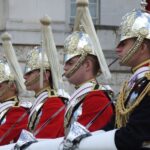
Then comes the switch from landmark spotting to a more spread-out “royal and museum-adjacent” route. You’ll reach stops near Buckingham Palace and QE Gates, then continue into Park and Palace style stops around Knightsbridge and Harrods. After that, you’ll roll toward Victoria and Albert Museum and other Kensington stops.
This is where the bus becomes a “choose your own chapter” experience. If you want royal views from the street, you can hop off near the palace area and wander. If you’d rather head straight to art or design museums, you can use the museum-adjacent stops as your guide.
One advantage here: you can spread out your day. Instead of doing everything in one dense cluster, you’re given time to regroup and rehydrate. Kensington also tends to feel less like the main tourist funnel and more like real neighborhoods, even though it’s still central.
Do note one scheduling reality. Some passengers reported buses not available at certain stops by around 5:30 even when service runs until about 6:00. So if you’re traveling later in the day, don’t assume every stop will still be reachable right to closing time.
Baker Street and London Lights: a night-facing option
Your route includes a labeled segment called London Lights Night Tour, with stops at York Road and Haymarket. That’s your hint that this tour doesn’t only work as a morning-to-afternoon plan.
If you want evening views—especially around lights and famous facades—this segment can be a convenient way to see London after dark without navigating it by bus routes yourself.
One thing to keep in mind: night timing can magnify any earlier delays. If you had to fight for boarding time during the day, you might feel it later. Use evening as a bonus, not a plan with zero tolerance for wait times.
Walking tours (up to three): how to choose wisely
You get up to three walking tours, and they’re selected from three available options. The fact that walking is capped is important. It prevents the day from becoming only walking, which matters in London where distances feel longer than they look on a map.
Since I don’t want you overplanning, here’s a simple way to choose:
- Pick walking tours for the areas you most care about seeing at street level.
- Use the bus to connect those walking blocks, not to replace them.
- If you’re doing the river cruise, try to avoid scheduling walking tours that compete with pier timing.
What I like about this combo is that you get both scales: bus for the big overview, walks for the texture—streets, corners, and viewpoints you’d miss if you only stayed seated.
The one drawback is that you need to keep an eye on timing. If buses are late or you’re waiting between stops, walking tours can start to feel rushed. Treat walking tours as flexible add-ons, not a clockwork show.
Price and value: why $49.37 can make sense
At $49.37 per person, the value depends on how you’ll use it. This price bundles three major things:
- Unlimited hop-on hop-off bus access for 24 hours
- One-way Thames river cruise (City Cruises from Tower Millennium Pier or Westminster Millennium Pier)
- Up to three walking tours included
That’s a lot of sightseeing stitched together for one day, and it’s usually worth it if you plan to cover multiple zones rather than just one neighborhood.
What’s not included is also key. Attraction entrances are not included. So if you’re set on major paid sites, budget separately. Think of this as a transport-and-tours package built to get you to the right places, not a magic pass that covers every ticket.
Where you get the best deal is when you avoid duplicate costs. If you were planning to pay separately for a river cruise and also hire a guided walking block, this package can quietly save money. If you only want one or two bus stops and won’t do the walking tours or cruise, the value drops fast.
Practical tips: avoiding the common snags
Based on the experience reports, the biggest issues aren’t about the sights—they’re about operations: audio reliability, timing gaps, and finding the first stop smoothly.
Here are smart, low-stress ways to protect your day:
- Plan your first stop carefully. If you’re unsure where you’re starting, arrive early and ask. Getting off track can turn a one-day plan into extra purchases or wasted time.
- Keep your expectations flexible around the first bus and busy stops like Piccadilly and Trafalgar. If the first departure runs late, it can ripple through the schedule.
- Have a backup plan for the Thames cruise. If the bus is late, try to adjust boarding early rather than assuming you’ll catch the next one.
- If audio fails, look for live guidance. Some passengers reported switching to a live guide when audio didn’t work. So don’t panic—ask for the next best option.
Also, if you want to feel confident while riding, pay attention to comfort and safety. Positive reports included friendly drivers, clean buses, and a feeling of safety—exactly what you want on a full day of sightseeing.
Who this tour suits best (and who should skip it)
This fits best if you:
- Want to see lots of London in one day without tight scheduling
- Like choosing when to get off and explore at street level
- Are interested in the Thames waterfront and want it built in
- Prefer English-led sightseeing and a bus-with-insights format
It may be less ideal if you:
- Need a perfectly timed itinerary with zero wait tolerance
- Are planning to do several timed paid attractions back-to-back
- Hate operational uncertainty and get anxious when schedules slip
If you’re the type who loves a relaxed “get your bearings fast” day, this can be a good way to do it. If you’re the type who plans every minute, you’ll want extra buffers or a different style of tour.
Should you book TopView’s 24-hour bus plus cruise?
I think it’s worth booking if you’ll actually use the three included components: the 24-hour hop-on bus, the Thames cruise, and at least one of the walking tours. The stop coverage is strong for first-timers and good for anyone who wants fast access to the main postcard areas.
I would hesitate if your schedule is rigid or your whole day depends on catching one specific cruise time right at the end. The biggest weak point is timing consistency at certain stops. If you can handle a little flexibility, you’ll likely enjoy the overall value.
If you do book, ride early enough to position yourself for the cruise, and treat the bus as a guide that helps you move—not as a promise that every stop will be perfectly timed to your plan.