
REVIEW · LONDON
London Tootbus Hop on Hop off Bus Tour and Thames River Cruise
Book on Viator →Operated by Tootbus · Bookable on Viator
Hop on, then hop off whenever you want. That freedom, plus a Thames River cruise ticket, makes London feel way less like a scavenger hunt. You’re not stuck to a rigid schedule. You’re choosing what you want to see, when you want to see it.
I especially like the way this setup helps you cover major landmarks fast without getting lost. I also like the real-time bus tracking app so you can find the closest stop instead of guessing.
One thing to consider: the experience is only as smooth as the tech and timing on the day. Some people report slow app loading, confusing stop naming, and delays when London traffic (or events) gets in the way.
In This Review
- Key takeaways before you ride
- How the hop-on hop-off bus keeps London simple
- The main departure points worth noting
- Thames River cruise: the calm payoff after the city rush
- A key caution
- Your day on the bus: what each stretch is really good for
- Central London classics: Trafalgar, Whitehall, Westminster, and the river
- Trafalgar Square: use it as your big orientation stop
- Whitehall and Parliament: impressive, but don’t over-plan
- London Eye and Waterloo: great views, but queues happen
- Covent Garden: hop-off power for food and wandering
- St Paul’s to Tower Hill: the architecture stretch
- Temple and Westminster Pier: the cruise transition
- Royal and West End highlights: Buckingham Palace, Hyde Park, Harrods, and more
- Buckingham Palace and Horse Guards Parade: great from the bus, smarter when planned
- Piccadilly and Green Park: a classic photo-to-coffee zone
- Hyde Park, Harrods, and Kensington Palace: pick your vibe
- Notting Hill Gate and Bayswater: London neighborhood feel
- Oxford Street and Marble Arch: fast connections, not a calm ride
- Victoria Station: handy for timing and switching plans
- Museum and rail-city route: British Museum to King’s Cross
- British Museum: a stop that makes sense even without a plan
- Russell Square and Euston: good for walking breaks
- King’s Cross and St Pancras: architecture plus transport power
- St Martin’s in the Field and Wyndham’s Theatre: culture stops without the guessing
- Audio commentary and the app: what to expect when you’re listening
- If you’re relying on headphones, do a quick check
- App reality check: use it, but don’t panic
- Staff can matter more than you think
- Getting on and off smoothly: crowds, stop naming, and timing
- Value check: is $53.74 a smart deal for London?
- Should you book this London bus and Thames cruise?
- FAQ
- How long is the bus tour?
- Can I hop on and off as I please?
- What’s included besides the bus?
- Does the Thames cruise ticket work for the same dates as the bus?
- Is the tour audio in English, and is there audio for kids?
- Is there a restroom on board, and do they provide food or drink?
- Can I cancel and get a full refund?
Key takeaways before you ride
- Three routes across top sights mean you can mix and match stops instead of doing one fixed loop.
- App-based real-time tracking helps you locate the nearest stop and plan hop-offs.
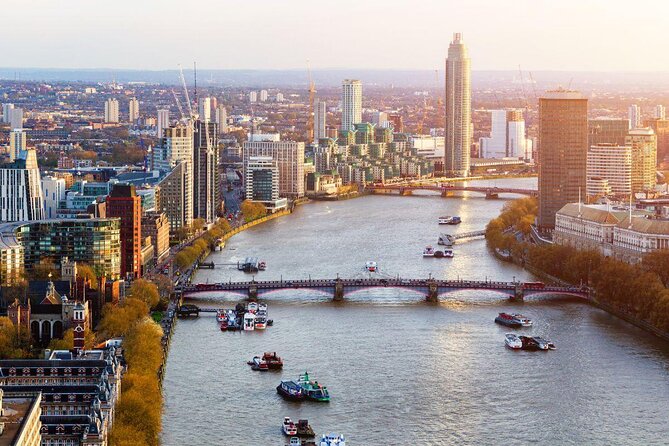
- Double-decker open-top views are great for photos, especially along Thames-adjacent stretches.
- Thames River cruise from Westminster Pier adds a second viewpoint without extra ticket shopping.
- Audio is helpful, but not always perfect: sync and clarity issues pop up in some feedback.
- No restroom on board means you’ll want to plan breaks before you’re stuck on a long traffic stretch.
How the hop-on hop-off bus keeps London simple
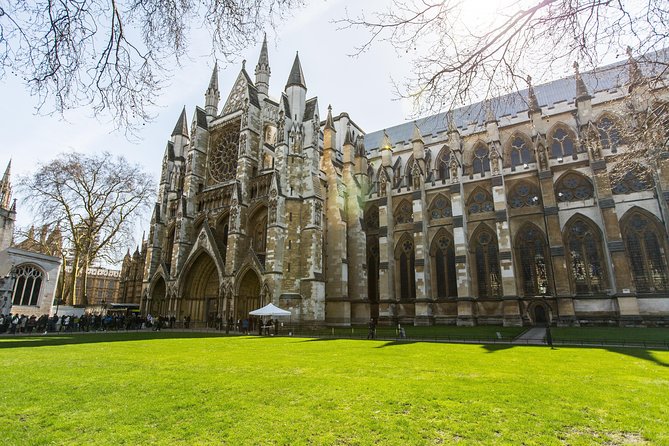
This is a classic London format with a modern assist: you buy a pass, then redeem it by hopping on at designated stops across the city. If you want to do more walking after you get off, that’s fine. If you’d rather stay on and let the bus reposition you, that’s also fine.
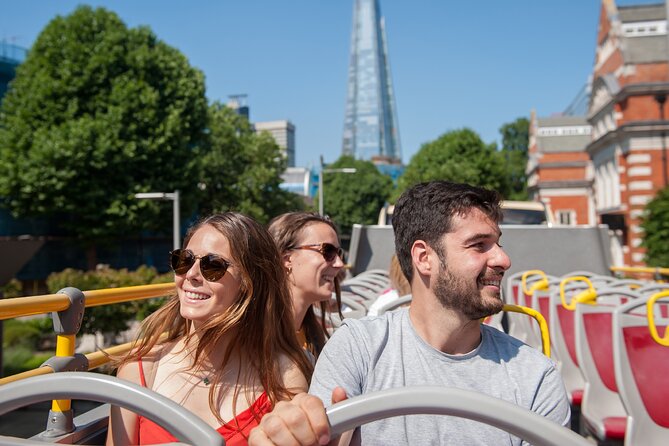
The buses are comfortable double-deckers, and you can ride inside or on the open-top deck for panoramas. You also get audio commentary (adult and kids’ versions), which helps you turn the drive into something more useful than just being stuck behind a windshield.
The big practical win is that it prevents the common first-timer problem: seeing one landmark, then spending the next hour trying to figure out how to reach the next one. Here, the bus is your moving shortcut. You’ll still walk when you want to explore, but the hard part—crossing large distances—gets handled for you.
You can also read our reviews of more boat tours in London



The main departure points worth noting
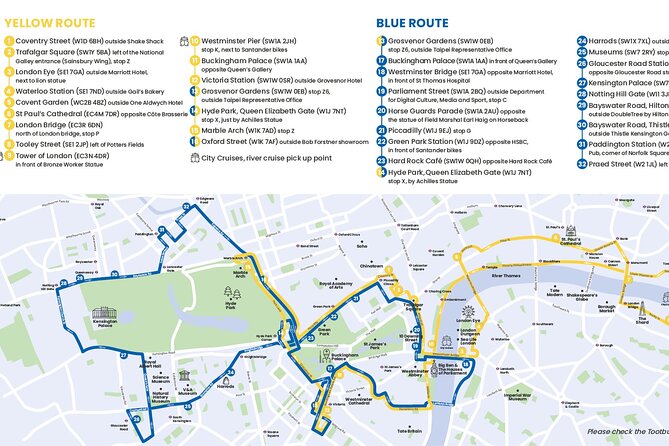
If you’re trying to avoid guesswork at the start of your day, look for these first/last departure areas mentioned for the service:
- Coventry Street, in front of Shake Shack (first and last departures)
- Grosvenor Gardens (first and last departures)
Knowing where those anchors are makes it easier to plan your first hop-on and your final ride.
Thames River cruise: the calm payoff after the city rush
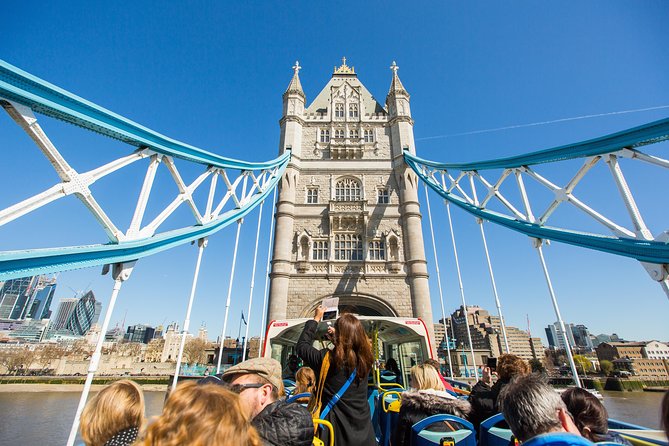
The bus is the land part of the day; the Thames cruise is the water part. Your cruise ticket is included with your bus pass, and it’s valid for the same period as your bus ticket (so don’t assume you can stretch it indefinitely).
The cruise runs from Westminster Pier, which matters because you’re already seeing Westminster by bus. That means you’re not scrambling across town to find your boat after a long sightseeing day. You go from landmark viewing to river viewing with less friction.
One of the most praised parts of the whole experience is the boat operator commentary. People mention it as entertaining, and they also liked how the narration was paced for visitors who might not catch every accent or word on first listen. If you’re the kind of person who enjoys hearing what you’re looking at (bridges, riverside buildings, famous bends of the Thames), you’ll probably rate this section highly.
A key caution
Since the cruise is tied to the same validity window as your bus ticket, you’ll want to decide your day plan early. If you delay too long, you can end up choosing between the cruise and your other priorities.
Your day on the bus: what each stretch is really good for
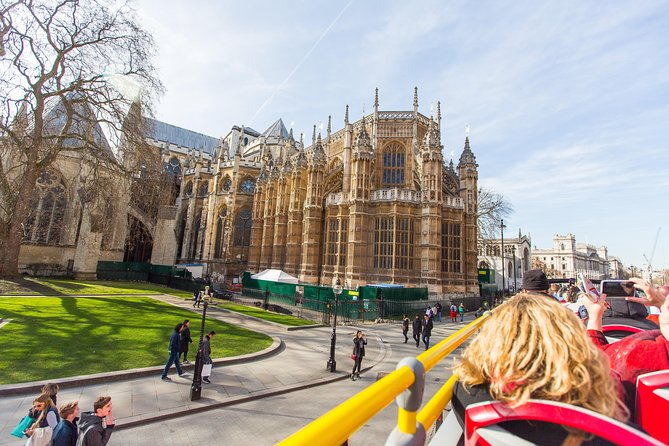
This service covers London top sights through multiple routes. That’s the point: you don’t need to commit to a single “tour” path. You can hop off near where you want to spend time, then hop back on later.
Below is how I’d think about the ride in chunks—because it’s easier to plan your time that way.





Central London classics: Trafalgar, Whitehall, Westminster, and the river

If you want the most postcard London in the least time, this is your backbone route. It centers on:
- Trafalgar Square (via Pall Mall East / nearby stops)
- Whitehall (including areas near Craig’s Court and the Banqueting House)
- Parliament and Westminster Station area
- London Eye (from Westminster Bridge Road)
- Waterloo station area
- Covent Garden (from Aldwych/Covent Garden area)
- St Paul’s Cathedral (from Ludgate Hill)
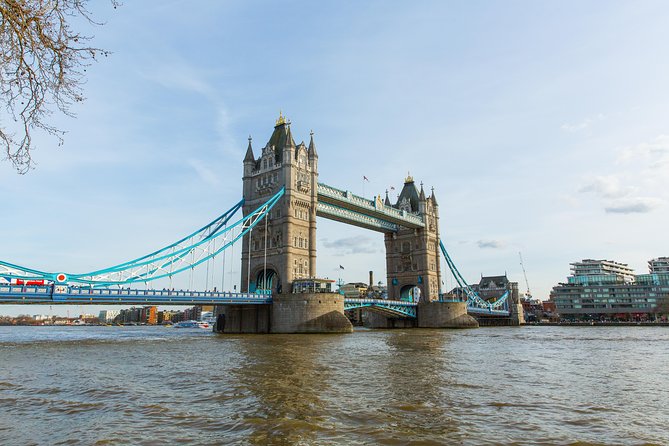
- London Bridge and Tower Hill
- Temple and Westminster Pier (great for the cruise handoff)
Trafalgar Square: use it as your big orientation stop
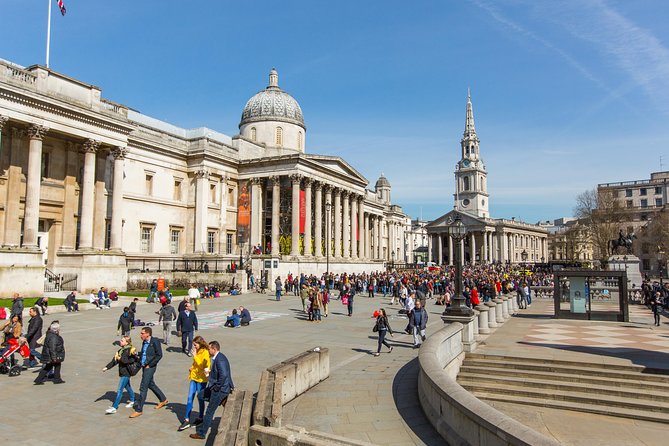
Trafalgar Square is handy because it’s both a sight and a navigational anchor. Even if you don’t plan to stay long, hopping off here can reset your sense of where you are in Central London fast.
A practical tip: if Trafalgar Square is crowded that day, you’ll spend more time inching and less time enjoying. In that case, consider riding past, then hop off once the light changes or you’ve seen the area from the bus.
Whitehall and Parliament: impressive, but don’t over-plan
Whitehall and the Parliament/Westminster complex are some of London’s most important views. From the bus you get strong sightlines, and it’s easy to see why people return again and again.
The tradeoff is that this part of London can feel busy and slow. If your goal is just photos and general orientation, stay on the upper deck. If you want to do tours or long walks here, give yourself more buffer time.
London Eye and Waterloo: great views, but queues happen
London Eye is one of those stops where you can see the big attraction without needing to pay immediately. If you do want to go on it, you’ll want to time it carefully because ticketed attractions can be line-heavy.
Waterloo is also a useful stop. It’s a “destination” and a transport node, so if you decide you’ve had enough bus riding for the day, it’s one place where switching plans can be easier.
Covent Garden: hop-off power for food and wandering
If you’re hungry or you want a stroll with shops and street energy, Covent Garden is a strong hop-off candidate. It’s also convenient because it connects well with how the bus route moves through central areas.
St Paul’s to Tower Hill: the architecture stretch
Seeing St Paul’s from the bus feels different than seeing it from street level. From above, you get those long lines and the scale that makes it memorable.
Then you roll into London Bridge and toward Tower Hill. This is where the bus shines for people who don’t want to cross the city on foot. You can take photos, hop off near the Tower area, and explore at your pace.
One drawback to keep in mind: Tower-side sightseeing is popular. If you want smaller crowds, aim for earlier time windows (or keep your expectations flexible).
Temple and Westminster Pier: the cruise transition
Temple helps bridge the “landmarks” feel into the “river view” mood. Westminster Pier is your official handoff to the Thames cruise portion.
If you’re trying to keep the day smooth, plan to do the bus first, then shift to the cruise while the air is cooling and you’re ready to slow down.
Royal and West End highlights: Buckingham Palace, Hyde Park, Harrods, and more
Another route portion focuses on the West End and royal-adjacent stops. Expect a lot of your classic “walkable London” moments without the hassle of stitching together multiple underground lines.
Key landmark stops include:
- Buckingham Palace (near Buckingham Palace Road / Buckingham-area stop)
- Horse Guards Parade and nearby views (Horseferry/Road and Parliament Street vicinity)
- Piccadilly area and Green Park Station
- Hard Rock Cafe (as a recognizable reference point)
- Hyde Park, Queen Elizabeth Gate
- Harrods
- Museums area (Gloucester Road station area)
- Kensington Palace
- Notting Hill Gate
- Bayswater Road (Hilton and Thistle area stops)
- Paddington Station (and Praed Street area)
- Oxford Street / Marble Arch
- Victoria Station
Buckingham Palace and Horse Guards Parade: great from the bus, smarter when planned
For major palace sightlines, riding the upper deck is ideal. It’s a quick way to feel where you are in the royal center.
If you want more than exterior sightseeing—like waiting for a specific moment, or doing a long walk through nearby streets—build time. This area can get packed.
Piccadilly and Green Park: a classic photo-to-coffee zone
Piccadilly and Green Park are useful stops because they’re not just about one monument. They give you room to pivot: short photos, a quick coffee, and then back on the bus.
If you want to avoid losing time to foot navigation, these are good “reset” stops.
Hyde Park, Harrods, and Kensington Palace: pick your vibe
This stretch gives you a choice of moods:
- Hyde Park gives you breathing room and open views.
- Harrods is more of a browsing stop.
- Kensington Palace is where the vibe shifts to historic royal architecture.
You don’t have to do all three. I like treating this zone as a “choose two” plan, because you’ll enjoy each stop more.
Notting Hill Gate and Bayswater: London neighborhood feel
These stops are practical if you want a bit less royal and a bit more real-world London. They’re also convenient if you’re staying around the west side and need easy access back toward central.
Oxford Street and Marble Arch: fast connections, not a calm ride
Oxford Street is a huge shopping strip, so it’s great for getting where you want to go. It’s also a place where foot traffic can get heavy.
If your goal is sightseeing, you’ll likely have an easier time hopping off briefly, then hopping back on before you feel swallowed by crowds.
Victoria Station: handy for timing and switching plans
Victoria is a practical stop. If you’re planning to end your day, or adjust your route after you’ve seen enough, Victoria makes it simpler to pivot.
Museum and rail-city route: British Museum to King’s Cross
If you want “big institutions” plus major rail stations, this portion has you covered. It connects:
- British Museum (British Museum stop)
- Russell Square and Euston Station
- King’s Cross / St Pancras Station area (including St Pancras)
- Royal National Hotel area
- Wyndham’s Theatre area
- St Martin’s in the Field area
- and again Covent Garden as a helpful connection point
British Museum: a stop that makes sense even without a plan
The British Museum is a major draw. Even if you don’t plan to do a deep visit, hopping off nearby can help you shape your day. The bus lets you get there without figuring out the quickest combination of transit routes.
Russell Square and Euston: good for walking breaks
These are helpful stops when you want to step out for fresh air and then continue without committing to a long return trip.
King’s Cross and St Pancras: architecture plus transport power
The rail-station area works well for people who love seeing modern London infrastructure. It’s also a strong “end game” zone if you’re connecting to later travel.
St Martin’s in the Field and Wyndham’s Theatre: culture stops without the guessing
If theater and music venues are on your radar, these are practical drop points. Even a quick look around can help you map out where you want to go later.
Audio commentary and the app: what to expect when you’re listening
This tour uses adult audio commentary and bespoke children’s audio-commentary. It’s offered in English.
In practice, audio can be a hit-or-miss experience depending on device syncing and whether you’re at the right volume and position when you board. Some people report the audio being repetitive or that commentary can be missing at times. Others report trouble syncing the narration to your location, or feeling like it’s not truly a live guide.
Still, when it works, it’s valuable. It helps you turn a ride into a narrated orientation. You’ll understand what you’re looking at instead of just seeing buildings pass by.
If you’re relying on headphones, do a quick check
One review specifically called out remembering how to retrieve and use headphones when you get on. If you skip that step, you can end up with long stretches that feel like a bus ride only.
App reality check: use it, but don’t panic
The app offers real-time bus tracking and helps you find the closest stop. That’s a great feature. But some feedback says the app can open slowly, navigation can be tricky, and the info might not always feel perfectly accurate.
My advice: treat the app as a guide, not a promise. If you’re standing on a stop and the wait is getting long, use your phone for an alternate route plan (walk a bit, use another stop, or switch to public transit).
Staff can matter more than you think
There’s at least one named example: Leon was described as an excellent guide with humor and solid knowledge. Even if you don’t get the same experience with every staff member, it’s a reminder that the human factor can improve the day.
Getting on and off smoothly: crowds, stop naming, and timing
The hop-on hop-off idea only works well if boarding feels easy. Some feedback praises regular buses and friendly, helpful drivers. Others report longer waits, buses skipping stops, or buses being ignored at the correct location.
To keep your day from unraveling, here’s how I’d plan it:
- Don’t use one stop as your only plan. If the wait is long, move to another nearby stop on the same route system.
- Watch for stop-name confusion. Some people said stop names didn’t match the actual spots, so look for the closest recognizable landmark, not just the label.
- Expect congestion at the most famous sights. Trafalgar, Westminster, and Tower-adjacent areas can be packed.
- Build buffer time around major central roads. Traffic can slow everything, and demonstrations can disrupt service.
If you’re the type who hates uncertainty, that’s the biggest risk here. But if you’re flexible and willing to adjust, the bus is a very efficient way to see the city.
Also note: there’s no restroom on board, and food or drink isn’t included. So plan hydration and breaks before you settle in for a longer ride segment.
Value check: is $53.74 a smart deal for London?
At $53.74 per person, the value comes from what you actually combine in one package:
- Hop-on hop-off bus access across multiple routes
- Audio commentary for adults and kids
- A Tootbus app with real-time bus tracking
- A Hop-on hop-off Thames River cruise ticket
The bus alone can be worth it when you’re short on time and want to hit several “must-see” zones without transit transfers. The real value multiplier is the Thames cruise being included, because it gives you a second sightseeing layer: a river perspective you can’t easily replicate from streets.
Where the value can drop is when service frequency doesn’t match your plan. If you’re stuck waiting long at stops, you lose some of the time you paid to save. That’s why flexible pacing matters.
If you’re traveling solo, this can work well as an organized way to get bearings. If you’re traveling as a family, the children’s audio and the easy hop-on rhythm can make sightseeing less stressful than building a custom route each day.
Should you book this London bus and Thames cruise?
I’d book it if you want a simple, low-stress way to hit the big-hitters across London, especially if you also want the Thames cruise included. The best match is first-time visitors, families, or anyone who’d rather trade a bit of ticket cost for reduced navigation stress.
I’d think twice if you hate waiting and you’re the kind of planner who needs every minute to land perfectly. Some days include slow app performance, unclear stop naming, and traffic disruptions, and that can cut into the smoothness.
If you do book, pick your strategy:
- Plan to use the bus for transfers between zones.
- Hop off in short bursts at the major sights you care about.
- Save the Thames cruise for when you’re ready to slow down.
If that sounds like your style, this is a solid, practical way to see a lot of London with less guesswork.
FAQ
How long is the bus tour?
The London hop-on hop-off bus tour is listed as about 2 hours (approx.).
Can I hop on and off as I please?
Yes. You can hop on at designated stops and hop off when you want, then board again along the route.
What’s included besides the bus?
Your pass also includes a hop-on hop-off Thames River cruise ticket.
Does the Thames cruise ticket work for the same dates as the bus?
Yes. The Thames River cruise ticket is valid for the same period as your bus ticket.
Is the tour audio in English, and is there audio for kids?
The tour is offered in English, with audio-commentary for adults and bespoke children’s audio-commentary.
Is there a restroom on board, and do they provide food or drink?
No. A restroom on board and food or drink are not included.
Can I cancel and get a full refund?
Yes. Free cancellation is available up to 24 hours in advance for a full refund.