REVIEW · MANAUS
From Manaus: 3 or 4-Day Rio Negro & Anavilhanas River Cruise
Book on GetYourGuide →Operated by Amazon Amazing Tours · Bookable on GetYourGuide
Pink dolphins and real river life.
This Rio Negro & Anavilhanas cruise gives you a small-boat Amazon experience: a traditional-built vessel, hammocks at night, and guides who focus on wildlife while you glide past forest-lined waterways. You start with the Janauri Ecological Park area and work your way into the Anavilhanas zone, with plenty of time outdoors and that classic Amazon soundtrack waiting every evening.
What I like most is the hands-on wildlife day: swimming with pink and grey river dolphins and learning what you’re seeing during jungle walks. I also really like the feel of the boat itself—50 feet long, open-air upper deck for observation and meals, and the chance to sleep in hammocks instead of a hotel bed.
One consideration: you’re paying for nature, not cruise-ship comfort. Some reports mention the boat and hygiene may be basic, and conditions can vary a lot.
In This Review
- Key things that make this cruise worth your attention
- What This Rio Negro Cruise Really Feels Like on the Boat
- Entering Manaus Mode: Transfers and the First River Day
- Day 1 at Janauri Ecological Park: Samaúma Trees and Dolphin Swim
- Day 2 Sunrise at Anavilhanas Archipelago: Piranha Fishing and Alligators
- Day 3 for the 3-Day Option: Manioc at a Native Family Home
- Day 3 for the 4-Day Option: Monkeys, Sloths, and Jungle Survival Learning
- Day 4 for the 4-Day Option: Tupé Beach and Indigenous Tribal Dances
- Wildlife Watching Reality Check: What Helps and What Doesn’t
- Food, Drinks, and Comfort Level: Is It Worth $600?
- The Boat and Hygiene Considerations You Should Actually Think About
- What to Pack for the Amazon: Sun, Mosquitoes, and Wet Gear
- Who This Rio Negro Cruise Fits Best (and Who Should Skip)
- Should You Book This Rio Negro Cruise? My Take
- FAQ
- How long is the Rio Negro & Anavilhanas cruise from Manaus?
- What wildlife activities are included?
- What does the day 1 itinerary include?
- Is the food vegetarian, halal, or kosher?
- What meals and drinks are included in the price?
- How many people are in the group?
- What languages are the guides?
- Do I have to hike and climb?
- What should I pack for sleep on the boat?
Key things that make this cruise worth your attention
- Small group (up to 10) means more time with the guide and less waiting around for the next person.
- Dolphin swim on the Rio Negro is the headline activity.
- Jungle hike with medicinal-plant learning connects what you’re seeing to how local people use it.
- Sunrise at Anavilhanas gives you early-water views and a fuller day outdoors.
- Two lengths of adventure: 3 days is quicker; 4 days adds Tupé beach and indigenous dancing.
- You get hotel transfers in Manaus and meals included, so you’re not constantly figuring out logistics.
What This Rio Negro Cruise Really Feels Like on the Boat
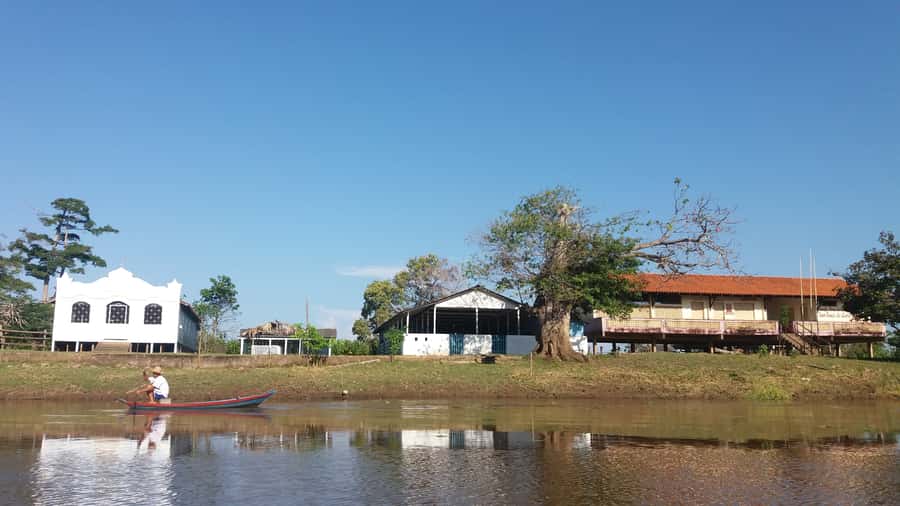
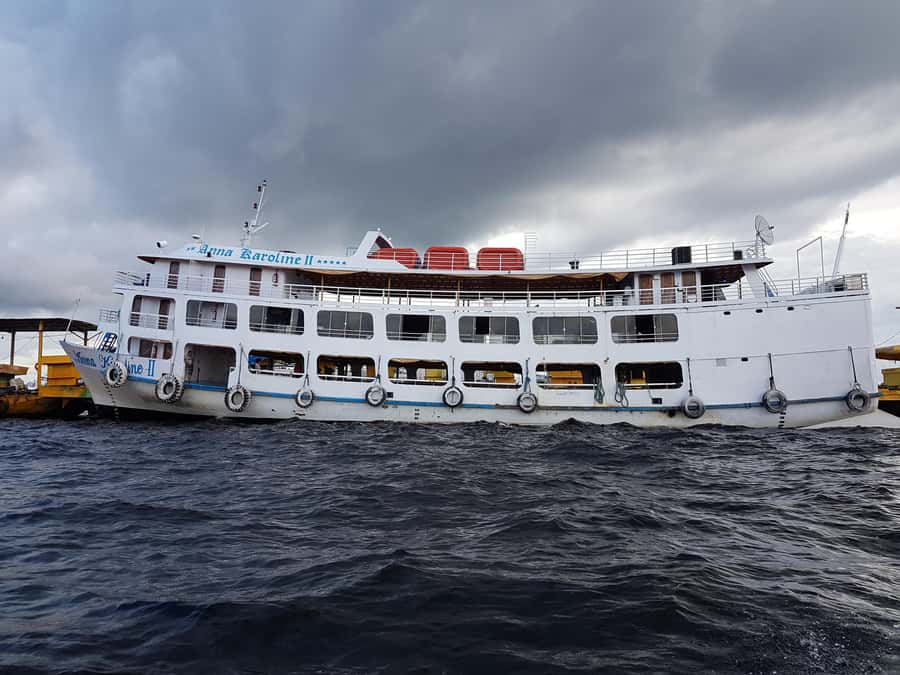
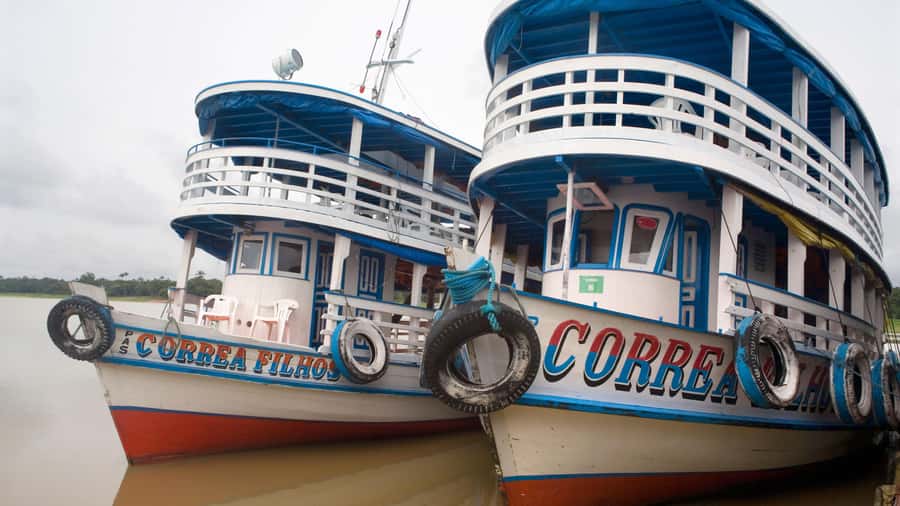
If you want a floating five-star lounge, this isn’t that. The boat is built using traditional Amazon techniques and is simple by design—no polish, no private-suite fantasy. It’s about 50 feet long and almost 10 feet tall, with basic but functional spaces: two bathrooms, a kitchen, a small cabin with two twin beds (for up to 2 people depending on the option), and lots of room to tie a hammock.
Meals happen on the second floor, which also serves as an observation area. The vibe is practical and outdoorsy: eat, look, listen, then step back into the river world. You can also use the upper deck for sunset cocktails, and the sounds of the Amazon jungle are part of the experience plan, not a side note.
The best reason to pick this kind of setup is time. When you’re on the water all day and in the forest at stops, you don’t waste hours commuting across the region. The downside is also time: you’ll be on a schedule, you’ll hike, and you’ll share close quarters in hammocks or the cabin.
Entering Manaus Mode: Transfers and the First River Day
Your adventure starts in Manaus with pickup from your hotel, then straight into river time. That matters because you’re not spending your first morning hunting for transport or trying to coordinate multiple pieces of the trip.
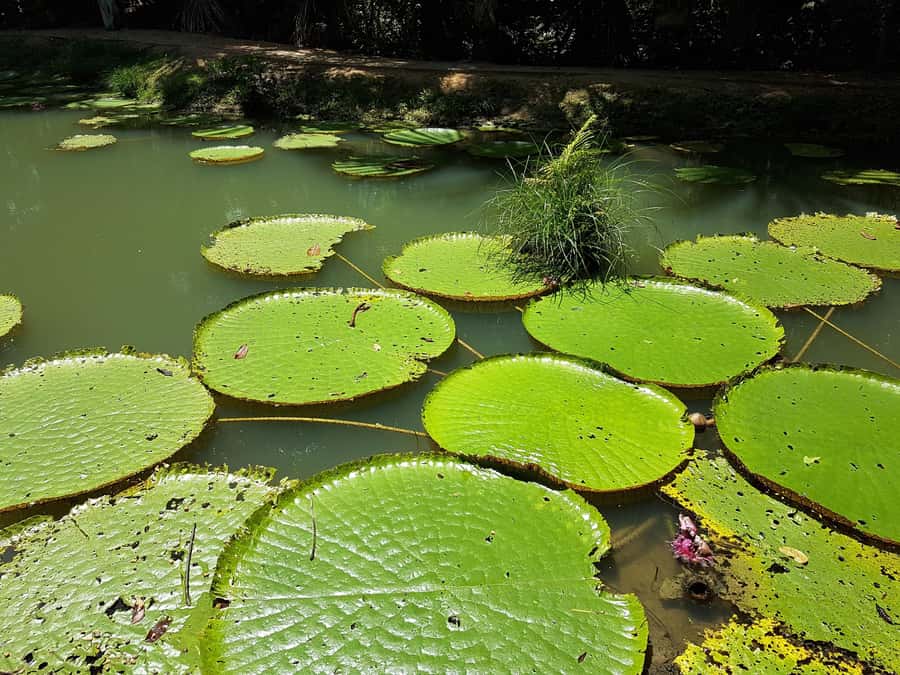
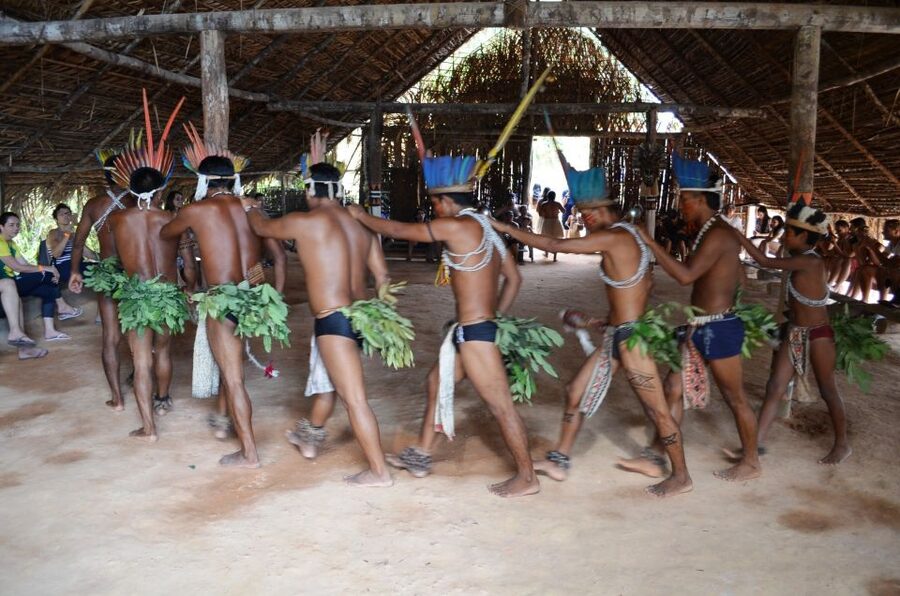
On day 1, the first major stop is Janauri Ecological Park, followed by a jungle hike. This is where the trip becomes more than sightseeing photos. You’re walking in the same kind of habitat that shapes the Rio Negro’s wildlife. The hike includes chances to spot huge Samaúma trees and giant water lilies. And yes, alligator sightings can happen here—so bring shoes you can trust and keep your eyes up.
After lunch, you return to the water and go to Acajatuba Lake. That’s where the dolphin swim fits in: you’ll have time in the water to experience the pink and grey river dolphins.
At night, dinner happens onboard, and the quiet moments—when you’re listening to frogs, insects, and distant birds—are part of why people remember these cruises for years.
Day 1 at Janauri Ecological Park: Samaúma Trees and Dolphin Swim
Day 1 is a packed blend of forest and water. You start with the Janauri Ecological Park area, then head into a jungle hike. The core value here is learning how to notice. Medicinal-plant education is part of the hike style, so you’re not just walking—you’re also getting a local explanation for what looks like “just plants” until someone points out what they’re used for.
The visual targets are clear: huge Samaúma trees and giant water lilies. Those aren’t random “check the box” stops. Samaúma trees are a big part of Amazon ecology and also a reminder that the forest is layered, not flat. Water lilies help you imagine the river’s slower, backwater parts—the same kinds of environments that support dolphins and reptiles.
Then you move to Acajatuba Lake. The highlight is the dolphin swim, including both pink and grey river dolphins. That mix helps make the experience feel more complete than a single-animal moment.
One more practical note: swimming days can feel physical even if you’re not hiking much. You’ll want a plan for wet gear, sunscreen, and how you’ll handle the sun when you’re out of the water.
Day 2 Sunrise at Anavilhanas Archipelago: Piranha Fishing and Alligators
Day 2 begins early with a sunrise tour of the Anavilhanas Archipelago. Sunrise matters on the Amazon because the light is softer and the river feels more alive. You also get more out of your morning because the day is built around outdoor activity.
After the sunrise portion, there’s a hike before fishing. The fishing segment focuses on catching piranha and other fish. Even if you’re not a hardcore angler, it’s an easy way to connect to river food chains: what lives where, and why the water behaves differently in archipelago areas.
Dinner comes onboard after that. Then the day ends with a chance to see alligators in their natural habitat. You’re not looking at a zoo setup here. You’re looking at wild animals in an environment where you’re a visitor—so follow your guide’s lead, keep distance, and don’t try to force a sighting.
This is also the day when you’ll feel whether you’re truly comfortable on the boat. If you like early starts, steady activity, and being outside for hours, the schedule makes sense. If you need a lot of downtime, build in extra mental patience.
Day 3 for the 3-Day Option: Manioc at a Native Family Home
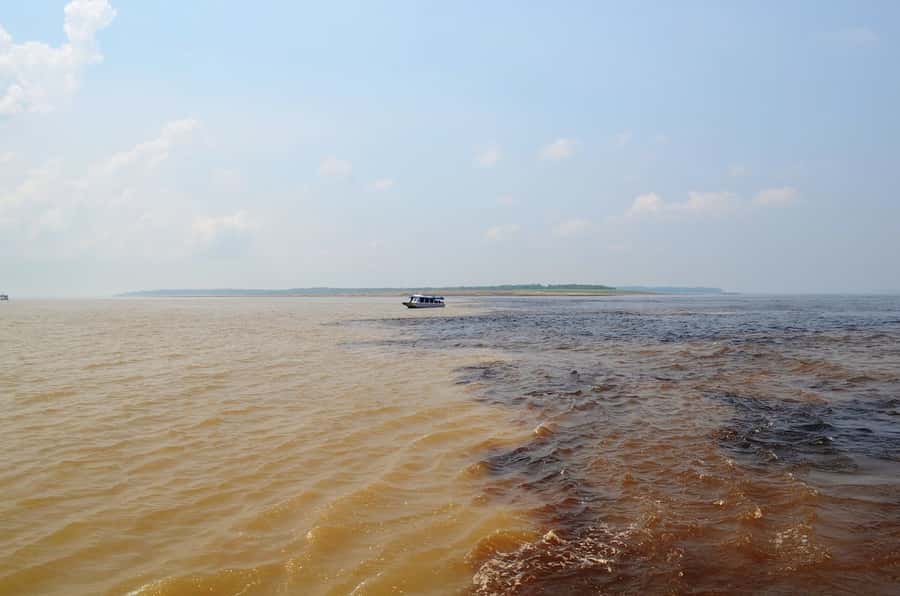
If you choose the 3-day version, day 3 shifts toward culture and food plants. You’ll visit a native family to see manioc production and also spend time around tropical fruit trees. Manioc is a big deal across the Amazon. Watching how it’s processed helps you understand why the region’s diets and traditions revolve around certain plants, not just whatever grows near a village.
This part of the day is valuable because it’s not abstract. When you see a plant being turned into food, it sticks in your memory differently than a lecture or a museum display.
After lunch and the family visit, you head back to Manaus, arriving around 5:00 PM. That return time is useful if you have onward plans that evening or if you want a clean travel day afterward rather than overnight uncertainty.
Even in a shorter version, this day gives you a sense of the human side of the river. It’s the “why” behind the “what,” especially if you’re curious about how local people read the forest.
Day 3 for the 4-Day Option: Monkeys, Sloths, and Jungle Survival Learning
The 4-day plan extends your time in the forest and adds a more survival-skills focused theme on day 3. You’ll look for monkeys and sloths from a canoe. That style of wildlife searching tends to feel more grounded than scanning from a distance, since you’re moving slowly along the right water corridors.
After the canoe segment, you shift into learning survival techniques for the jungle. The exact details aren’t laid out here, but the point is that you’re getting practical context—how people move, manage risk, and think about the environment.
If the wildlife part is your priority, the longer option helps because it gives you extra chances. Animals don’t follow a timetable, so additional time can increase your odds of at least seeing more tracks, more calls, or a better view when conditions align.
You still get a return to Manaus at about 5:00 PM on day 4, so you’re not losing the whole week to the Amazon. It’s a longer experience, but still designed to end cleanly.
Day 4 for the 4-Day Option: Tupé Beach and Indigenous Tribal Dances
On day 4, you get a break from pure jungle walking with Tupé beach. Beach time in the Amazon region can feel like a reset. It’s still part of the nature environment, but the pace can feel different when you’re not entirely on trail.
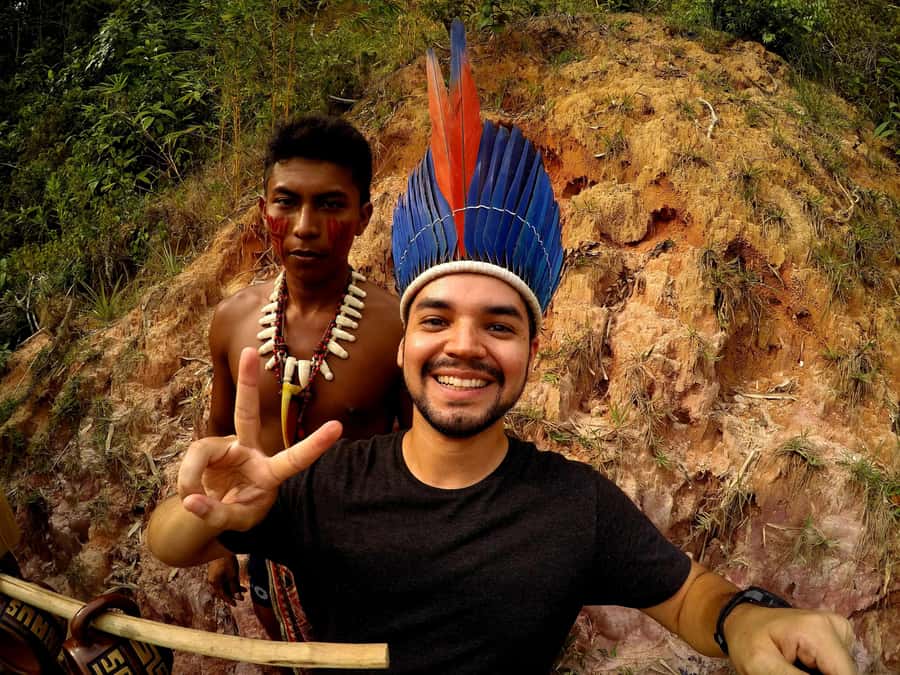
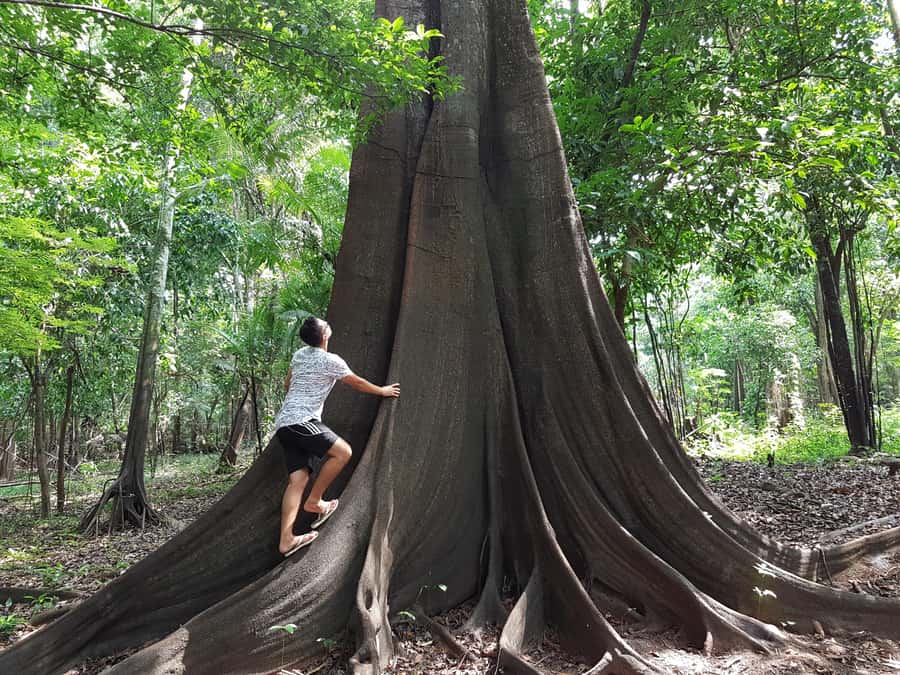
After that, the schedule brings you to an indigenous community. You’ll see tribal dances, which is where the trip shifts again from ecosystem to cultural expression. This is the kind of moment that helps you understand that the Amazon isn’t just scenery. It’s also living culture tied to river and forest life.
The day ends with arrival back in Manaus around 5:00 PM. That keeps the overall trip structured and prevents the “we’re out here forever” feeling that can happen when water conditions or timing are unpredictable.
Wildlife Watching Reality Check: What Helps and What Doesn’t
Let’s talk expectations. The itinerary includes several wildlife targets: dolphins, alligators, piranha, and more animals like monkeys and sloths. That’s exciting. It’s also the Amazon, so sightings aren’t guaranteed on command.
What does help: staying alert during hikes, keeping quiet when you’re supposed to, and moving only as instructed. A lot of wildlife moments happen when you pause, watch, and let your guide read the environment. If you’re the kind of person who always wants to rush to the next photo spot, you’ll miss part of how wildlife actually shows up.
Language can matter too. The trip description says native bilingual guides lead the excursions, and that’s ideal for explaining what you’re seeing. Still, one report raises an issue with limited English in a specific experience. So if English explanation is a big deal for you, plan to rely on the visual experience and ask questions early—then don’t wait until the end of a hike to clarify.
The bottom line: this cruise is best when you treat sightings as moments, not a checklist.
Food, Drinks, and Comfort Level: Is It Worth $600?
At about $600 per person for a 3- to 4-day cruise, the value question comes down to what you’re buying.
You’re paying for: a real Amazon boat experience, meals included (breakfast, lunch, dinner), wildlife-focused guiding, and excursions with transfers from Manaus. You’re also paying for the fact that you’re not commuting daily from a fixed base. That saves time and makes your days more efficient.
What you’re not paying for is comfort. Hammocks are part of the deal, and there’s no cruise-ship setup: limited privacy, basic facilities, and simple sleeping. In one positive report, the experience feels unforgettable—especially for someone who values the boat sleep itself. In critical reports, people say conditions can be extremely basic, including concerns about hygiene and an older feel to some parts of the boat.
Drinks are another value clue. Soft drinks, fizzy drinks, and alcohol aren’t included and can be purchased. Mineral water is included, which is useful because staying hydrated matters when you’re hiking and spending time in the sun.
If you’re comfortable with “rustic but worth it,” this price can make sense. If you need spotless facilities and predictable schedules every minute, it might feel high.
The Boat and Hygiene Considerations You Should Actually Think About
Here’s the honest part. This experience has a wide range of reported conditions. The boat description is straightforward, but at least some reports describe problems like smoke that made people feel sick, very basic hygiene, older hammocks that smelled or felt rotten, and issues like doors not closing properly or a toilet seat that didn’t work right. Other reports mention things like ants in the kitchen area.
To be clear, that doesn’t mean every cruise runs that way. It does mean you should go in ready for basic conditions. If you’re sensitive to cleanliness or odors, consider bringing a small kit: hand sanitizer, a pack of wet wipes, and any personal hygienic supplies you prefer. For sleep, if you’re choosing hammock nights, mosquito nets are available to purchase in Manaus (around USD 5), and you might want to budget for it.
Also remember: there’s limited privacy. The cabin has space for two twin beds, while hammocks are communal. If you really need quiet downtime, the cabin option could be a better fit.
Rustic is fine. If you personally can’t handle basic conditions, choose another style of lodging in Manaus and do day excursions instead.
What to Pack for the Amazon: Sun, Mosquitoes, and Wet Gear
You’ll be hiking and climbing. So pack like it’s a wet jungle day, not a city day.
Bring:
- Sunscreen and shades (sun here matters)
- Cameras and a dry bag or waterproof cover for them
- Personal hygienic goods (don’t assume the boat supplies everything you like)
- Any small essentials you don’t want to run short on
If you’re sleeping in a hammock, plan for mosquitos. Mosquito nets are available to purchase in Manaus, around USD 5. It’s also smart to keep your valuables secure. The trip notes that you must lock your own documents and valuables.
One more packing mindset: think about wet gear and movement. You’ll likely have damp items from swimming and humidity. Bring a way to keep your phone, passport copies, and camera protected even when the boat environment isn’t “dry.”
Who This Rio Negro Cruise Fits Best (and Who Should Skip)
This cruise suits people who want a nature-forward Amazon experience from Manaus, not a luxury hotel alternative. If you enjoy hiking, don’t mind sleeping in hammocks, and want wildlife moments tied to actual habitat learning, you’ll probably love the structure.
It also fits well for travelers who like a small group. With a maximum around 15 people onboard with hammock sleeping (and a small group limit mentioned as up to 10 participants), you’re not lost in a crowd. The guide experience tends to matter more when you’re in a smaller group.
Who should think twice:
- Anyone who can’t hike or climb
- Anyone who needs vegetarian, halal, or kosher meals (those aren’t available)
- Anyone who expects cruise-ship cleanliness or modern private bathrooms
- Anyone who is extremely sensitive to smoke or odors
And language expectations: the guide languages listed are Spanish, English, and Portuguese. If you rely heavily on detailed explanations in English, ask early how the wildlife walks will be handled for your language.
Should You Book This Rio Negro Cruise? My Take
My take: book it if your definition of value is time in the Amazon plus hands-on wildlife days, and you’re comfortable with basic boat conditions. The biggest selling points are the Rio Negro setting, the planned dolphin swim, and the way the days combine forest walks with river activities. The idea of learning medicinal-plant uses and seeing how manioc is processed adds substance beyond postcard wildlife.
Book with extra caution if you’re picky about hygiene or you need a very consistent, tightly controlled schedule. Reports show a wide difference in perceived comfort, including concerns about older conditions and cleanliness in some experiences.
If you do book, set yourself up to win: bring your own hygiene supplies, pack for sun and mosquitoes, and choose your sleeping option based on how sensitive you are to comfort and privacy.
FAQ
How long is the Rio Negro & Anavilhanas cruise from Manaus?
You can choose a 3-day or 4-day option, and the activity runs for that duration depending on which itinerary you pick.
What wildlife activities are included?
The experience includes a dolphin swim on day 1 (pink and grey river dolphins), fishing for piranha and other fish on day 2, and opportunities to spot alligators in their natural habitat. The longer option also includes canoe time where you may spot monkeys and sloths.
What does the day 1 itinerary include?
Day 1 includes hotel pickup in Manaus, a boat tour to Janauri Ecological Park, a jungle hike with medicinal-plant learning and chances to see Samaúma trees, giant water lilies, and alligators, plus lunch, an Acajatuba Lake stop, a swim with river dolphins, and dinner onboard.
Is the food vegetarian, halal, or kosher?
No. Vegetarian, halal, and kosher dishes are not available.
What meals and drinks are included in the price?
Breakfast, lunch, dinner, and mineral water are included. Soft drinks, fizzy drinks, and alcoholic beverages are not included and can be purchased.
How many people are in the group?
It’s described as a small group with a maximum limit stated as 10 participants.
What languages are the guides?
Excursions are led by bilingual guides, and the experience notes languages including Spanish, English, and Portuguese.
Do I have to hike and climb?
Yes. The trip notes that guests must be able to hike and climb.
What should I pack for sleep on the boat?
If you’re sleeping in hammocks, mosquito nets are available to purchase in Manaus (around USD 5). The trip also advises bringing personal goods, cameras, sunscreen, shades, and hygienic items.