REVIEW · HOPKINS
Bioluminescence Tour & Sunset River Cruise
Book on Viator →Operated by Get to Know Belize Adventures · Bookable on Viator
Blue light on a Belize river is unreal. From Hopkins, this 2-hour night cruise takes you into Anderson Lagoon on the Sittee River, where bioluminescent plankton flicker in the dark under a sky full of stars. I love that the guide actually turns off the flashlight so you can fully feel how pitch-black the water gets before the glow starts.
I also love the moment the boat wakes up the lagoon: the blue wake lights up, algae responds, and the water can look like it is filling with moving light. One big thing to plan for: bring bug spray, because bugs can get pretty serious around dusk.
In This Review
- Key Points Worth Knowing Before You Go
- Hopkins Marina to Anderson Lagoon: The Ride Sets the Mood
- The Tiny Cut Into Giant Mangroves
- Blue Wake Magic: What Actually Triggers the Glow
- Watching Wildlife on a Night Cruise (Without Overpromising)
- Optional Night Swim: When You Might Want a Towel
- Price and Logistics: Where Your $100 Actually Goes
- Best Timing for Bioluminescence: Dry Season vs Rainy Season Reality
- Who This Tour Fits Best (And Who Might Want a Different Night)
- Practical Stuff to Pack for a Night on the Sittee River
- Should You Book This Bioluminescence Tour in Hopkins?
- FAQ
- Where is the tour meeting point and what time does it start?
- How long is the bioluminescence tour?
- Is hotel pickup included in the $100 price?
- What should I bring for this night river cruise?
- Is the bioluminescence guaranteed year-round?
- What is the cancellation policy if weather is poor?
Key Points Worth Knowing Before You Go
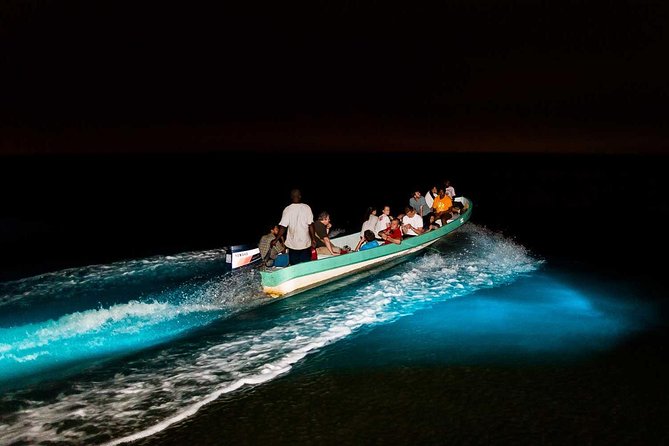
- Small group feel (up to 10 people): You stay close enough to spot what matters without feeling like you are lost in a crowd.
- Boat motion creates the glow: The bioluminescence ramps up as the boat speeds and as the water gets stirred.
- Flashlight is part of the show: Watching the light go off makes the lagoon’s darkness and glow way more dramatic.
- You might see more than plankton: Fish trails and pulsating jellyfish can add extra magic.
- Season matters for plankton: The lagoon glow may be much harder to find during rainy season.
Hopkins Marina to Anderson Lagoon: The Ride Sets the Mood
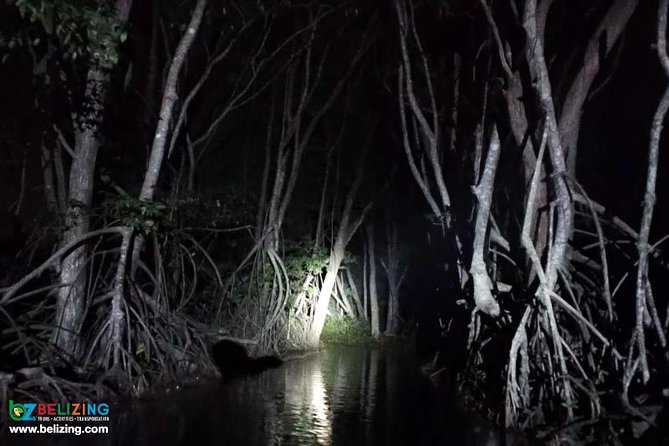
This tour starts in Hopkins at Mangrove Resort and Marina (RP7R+J3X). You meet at 6:00 pm and plan on about 2 hours total, with the boat ride and the bioluminescence time built into that window. It is a small-group outing, capped at 10 travelers, which helps you hear your guide and actually see what is happening on the water.
Before the lagoon, you are already traveling the Sittee River at night. The low light on the water, the tree line slipping past, and the chance to spot wildlife like birds, iguanas, and even crocodiles along the way set the tone. It feels less like a quick photo stop and more like a slow, guided night cruise where you are watching the whole river ecosystem wake up.
That small-group size also matters for expectations. When the water is black and the glow depends on motion, you do not want a wide scatter of phones blocking views. With fewer people on board, you get a better shot at seeing the glow where it really forms: near the boat and just under the surface.
The Tiny Cut Into Giant Mangroves
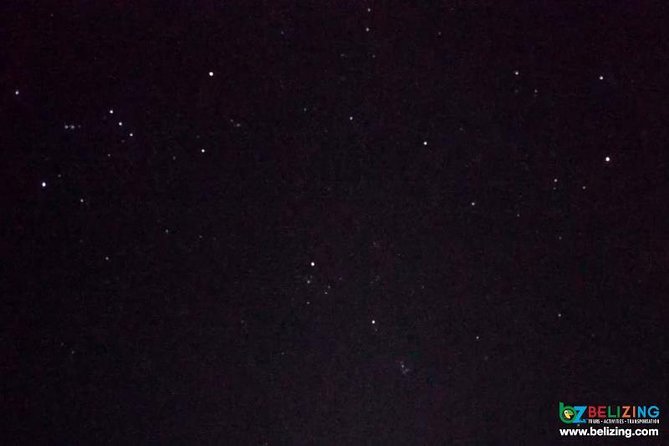
Once you head out, you cruise for a short time (about a 5-minute ride) before you reach Anderson Lagoon. The route includes a narrow, tiny passage cut that transitions you from the river setting into the lagoon itself. It is an important moment, because it is the shift into true darkness that makes the bioluminescence feel so intense.
Inside the mangroves, the lagoon can feel almost completely black. Your guide uses a flashlight beam to scan across the water, then turns it off so you can look without extra light fighting the glow. That is when you start to realize how much your eyes change in the dark.
There is a practical takeaway here: if you want the best viewing, give your eyes a minute to adjust once the guide switches off the light. Even 30 seconds can make a difference between seeing vague specks and noticing real trails and streaks of light.
Blue Wake Magic: What Actually Triggers the Glow
Here is the part that makes the tour feel like more than just a nature lecture. As the boat picks up speed, the wake can turn blue. The reason is simple and pretty cool: tiny algae (which often settle in the lagoon during the dry season) get agitated by the movement and start glowing.
It is not constant like a neon sign. The glow is tied to agitation—boat wake, water movement, and anything that disturbs the surface. That is why the tour starts to feel like a live show, not a static scene.
When the guide stops the boat, you just stare into the water. That pause matters because you are looking for motion: fish or other marine life swimming through the lagoon can leave a phosphorescent trail. In the right moment, it can look like a glowing cloud, forming and fading as the animals move.
You may also see jellyfish. The tour includes the chance to spot hundreds of jellyfish pulsating in the water, with the glow linked to how they feed on the algae. It is one of those moments where you look at something moving, not just something lit.
And yes—this part is real enough to plan around. Moving your hand in the water is described as miraculous because your motion can trigger a visible glow right where your movement happens.
Watching Wildlife on a Night Cruise (Without Overpromising)
Bioluminescence is the star of the show here, but the ride also gives you other small wins. Along the river, you might see birds, iguanas, and crocodiles, depending on conditions and timing. Once you are in the lagoon, the focus stays on what the water is doing, including fish trails and jellyfish activity.
One thing I like about this tour is that it does not pretend you can control nature. You get a guide, you get the boat, and you get the right environment. You just cannot guarantee every animal detail, because it is a living system responding to night and water movement.
Also, the best viewing is usually when people stay quiet and still. If everyone is constantly moving and leaning over, it is harder to see trails that form farther from the boat. If you want the most out of your camera roll, treat it like theater: watch first, then shoot.
Optional Night Swim: When You Might Want a Towel
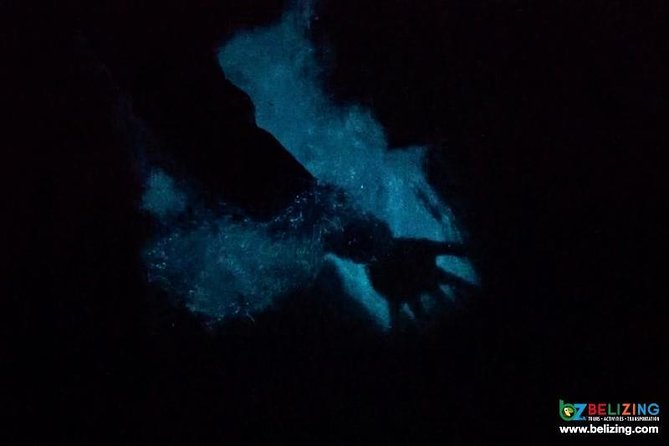
Some people choose to swim in the lagoon near the boat. If you want that option, bring a swimsuit so you can take advantage of it if conditions feel right. You should also pack a towel, because that is the practical difference between feeling comfortable and having a damp, cold end to the experience.
If you are not swimming, you can still have a great time. Watching the glow happen from the boat can be just as memorable, especially during the moments when the wake shifts and the water starts flashing with motion.
One more practical note: plan for a night activity that may involve getting wet hands or gear even if you do not swim. Sunscreen is not the focus here, but your hands do touch the water at times, so keep that in mind for comfort.
Price and Logistics: Where Your $100 Actually Goes
The price is $100 per person, for about 2 hours. What makes this feel more reasonable is what is included: the local guide, landing and facility fees, and local taxes, plus the boat ride itself. Bottled water is provided to all guests, which is a small detail but a real convenience when you are out in the dark for a couple hours.
If you need hotel pickup, that is extra: $7.50 USD per person round trip, paid to the driver. If you are staying in or near Hopkins, you might be able to handle getting to the marina without paying that add-on, since the meeting point is near public transportation.
It is also worth noting the timing. You can see this tour gets booked well ahead (on average, about 39 days). If you are traveling during a popular stretch, locking in your slot early gives you more freedom to pick a date that matches the conditions for plankton glow.
One tip for value: if you are budget conscious, it can pay to compare prices on other Belize tour booking options. There are people who report finding it for less through other channels, sometimes around $25 per person. Still, I would only switch if you are confident the smaller, guided experience is what you want.
Best Timing for Bioluminescence: Dry Season vs Rainy Season Reality
This is seasonal. The plankton glow may not show up during rainy season, so timing matters if bioluminescence is the main reason you booked. If you are traveling during a period when the lagoon has plankton present, you are more likely to get that full-on blue wake and glowing water show.
In practice, this means you should not treat the lagoon like a guaranteed fireworks display. Plan for the experience, but accept that Belize weather can change what you see in the water. The upside is that even when you get less glow, the night ride itself still offers that surreal star-and-river feeling.
If you have flexibility, aim for the period when conditions are more likely to support plankton. Your guide will be better positioned to interpret what the lagoon is doing once you arrive, but the season sets the odds.
Who This Tour Fits Best (And Who Might Want a Different Night)
This tour fits best if you want a sensory, hands-on nature experience. You are not just standing on a dock hoping for good light. You are on the water as the glow is triggered by movement—wake, agitation, and small changes you can feel when you stir water with your hand.
It also works well if you like small groups and guided explanations. You may even hear guide names like Theodore, Medz, or Jeffry—each one described as friendly and focused on helping you see what matters.
You might want to rethink if your idea of a perfect tour is heavy on talking points and structure. This is more about the environment than a long itinerary of stops. If you want a highly “managed” experience where you are always doing something, you may find the quiet staring periods a little too calm. That said, those pauses are often when the glowing trails appear.
Practical Stuff to Pack for a Night on the Sittee River
A few items can make or break your comfort.
- Bug spray: Bring it. Bugs can be especially active around dusk.
- Swimsuit: You may have the option to swim in the lagoon, depending on conditions and how you feel that night.
- Towel: If you plan to swim, have one. Drying off matters.
- Simple plan for a meeting point: Start at Mangrove Resort and Marina. It can be a gated setup, so give yourself a little time to find the exact spot without rushing.
Also, wear something you can relax in. This is a night boat cruise where you may get wet, and you are looking down at water more than you are dressing up for photos.
Should You Book This Bioluminescence Tour in Hopkins?
If you want a night that feels like you are looking at nature’s light show, this is a strong pick. The combination of dark lagoon viewing, blue wake glow, and the chance to see fish trails and pulsating jellyfish is exactly what makes bioluminescence tours worth it when they work.
I would book it if:
- you are visiting Hopkins and want a 2-hour activity that is truly different from daytime beach plans
- you like small-group experiences with a local guide
- you can travel during a time when plankton is more likely to be present
I might skip it or adjust expectations if:
- you are sensitive to bugs and did not plan for bug spray
- you expect a constant stream of action and conversation
- you are traveling during rainy season when the glow may be limited
FAQ
Where is the tour meeting point and what time does it start?
You meet at Mangrove Resort and Marina (RP7R+J3X) in Hopkins, Belize. The start time is 6:00 pm, and the tour ends back at the same meeting point.
How long is the bioluminescence tour?
The experience runs for about 2 hours (approx.).
Is hotel pickup included in the $100 price?
Hotel pickup and drop-off are not included. If you want pickup, it costs an additional $7.50 USD per person round trip and can be paid to the driver.
What should I bring for this night river cruise?
Bring bug spray, since bugs can get really bad around dusk. If you want the option to swim, pack a swimsuit, and bring a towel as well.
Is the bioluminescence guaranteed year-round?
The plankton glow is seasonal. It will not be present during rainy season, so your timing in Belize matters.
What is the cancellation policy if weather is poor?
You can cancel for a full refund up to 24 hours before the experience starts. The tour requires good weather; if it is canceled due to poor weather, you will be offered a different date or a full refund.