REVIEW · OTTAWA
Ottawa: Rideau Canal Cruise
Book on GetYourGuide →Operated by Ottawa Boat Cruise · Bookable on GetYourGuide
Quiet water. Big Ottawa views.
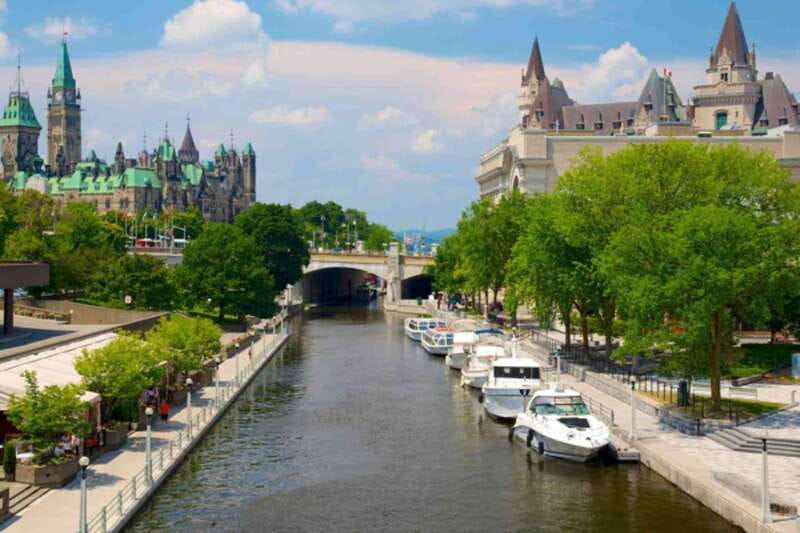
A Rideau Canal cruise is one of the easiest ways to see how the capital actually fits together, and this one runs on a 100% electric vessel along the UNESCO-listed canal. You cruise past major landmarks from the water, with a friendly crew and live narration that keeps things moving at a relaxing pace.
Two things I really like: the live commentary in English and French, and the chance to spot Ottawa’s key sites from a perspective you just don’t get when you’re walking the streets. It’s not only about famous buildings either—you hear stories tied to roughly 30 sites along the way, including places like the Canadian Museum of Nature and Château Laurier.
One consideration: seating can be a bit of a toss-up. Some seats face the wrong direction if you pick too late, and a few chairs are plastic and can feel less comfortable than you’d hope for a full 90 minutes.
In This Review
- Key Things I’d Plan For
- Why a Rideau Canal Cruise Feels Like Ottawa’s Fastest Shortcut
- North America’s Largest Electric Passenger Vessel: The On-Board Difference
- What to know about what’s on board
- The 90-Minute Route: Château Laurier to Dow’s Lake (and the Sites You’ll Spot)
- Starting near the National Arts Centre: Downtown Ottawa at Water Level
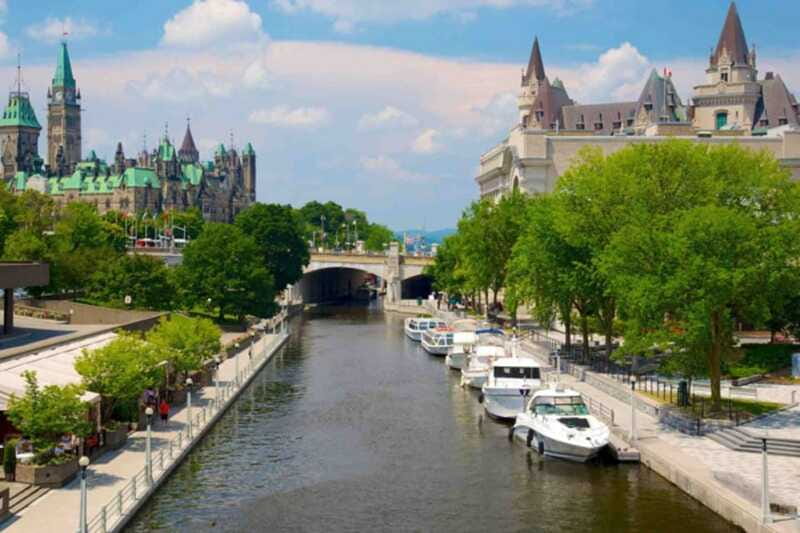
- Château Laurier: One of the easiest photo moments
- Canadian Museum of Nature: A museum exterior seen in context
- Lansdowne Park and Canal-adjacent areas: city energy without street noise
- Bank Street Bridge and the “people and bikes” angle
- Trans-Canada Highway: where the canal meets modern traffic
- Commissioners Park and Dominion Arboretum: green space seen from motion
- Dow’s Lake: the “we made it” end feeling
- Locks and historic moments you’ll actually notice
- Seating, Weather, and How to Get the Best View
- A small planning move that pays off
- The Live Bilingual Guide: The Real Value in This Cruise
- What you’ll hear, and why it matters
- Price and Value: How $41 Plays Out for a 90-Minute Tour
- The food/drink detail that affects your budget
- Accessibility and Rules: Know Before You Go
- Who This Cruise Is Best For (and Who Might Want Another Option)
- You might not love it if…
- Should You Book Ottawa’s Rideau Canal Cruise?
- FAQ
- How long is the Rideau Canal cruise?
- Where do we meet and when should we arrive?
- Is this cruise really on an electric boat?
- Does the ticket include food or drinks?
- Are the guides bilingual, and is there an audio option?
- Is the cruise wheelchair accessible?
- What’s the cancellation policy?
Key Things I’d Plan For
- 100% electric and very quiet: the boat glides without the engine roar.
- Bilingual live guide (English and French): you get the narration throughout, not just an audio track.
- Iconic stretch: the route focuses on Château Laurier to Dow’s Lake.
- Lots of recognizable stops: you’ll pass major spots like Bank Street Bridge, Lansdowne Park, and the Canadian Museum of Nature.
- Crew that answers questions: guides and staff stay present and helpful.
- Pick your seat early: chairs may not face the best viewing angle.
Why a Rideau Canal Cruise Feels Like Ottawa’s Fastest Shortcut
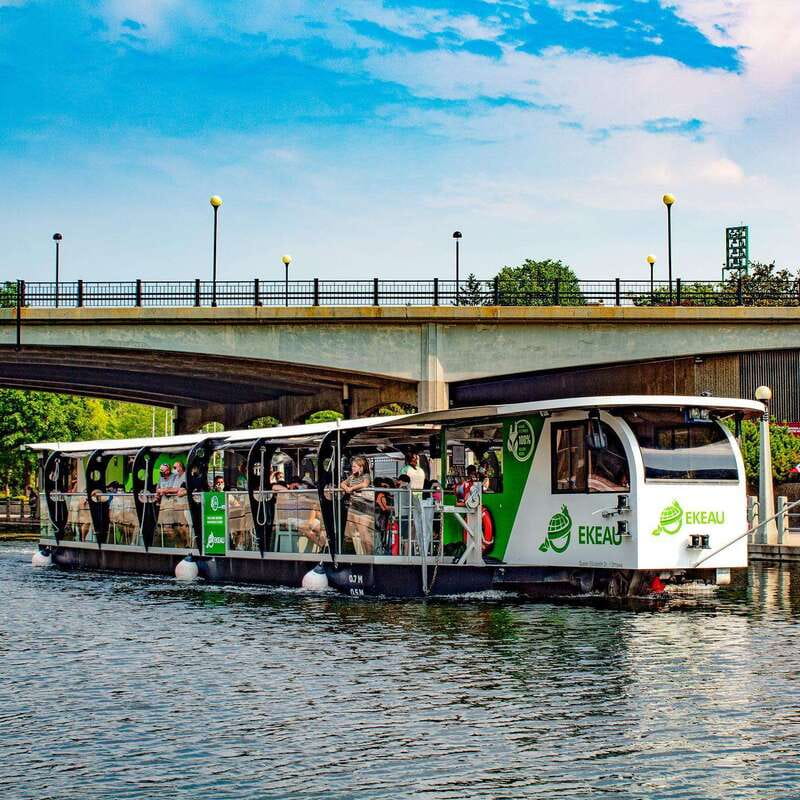
If Ottawa is new to you, the city can feel a little spread out. This cruise helps you get your bearings fast because the waterway stitches together downtown landmarks, museums, parks, and bridges in a single, easy ride.
I like that the canal doesn’t demand your full attention like a museum does. You can take it in calmly, then ask questions when something catches your eye. It’s a great fit for travel days when you want something worthwhile without burning your legs.
The big win here is perspective. From shore, you’re at street level, looking up. From the canal, you see how buildings line up with the water and how the city’s major areas connect across the bridges.
You can also read our reviews of more boat tours in Ottawa


North America’s Largest Electric Passenger Vessel: The On-Board Difference
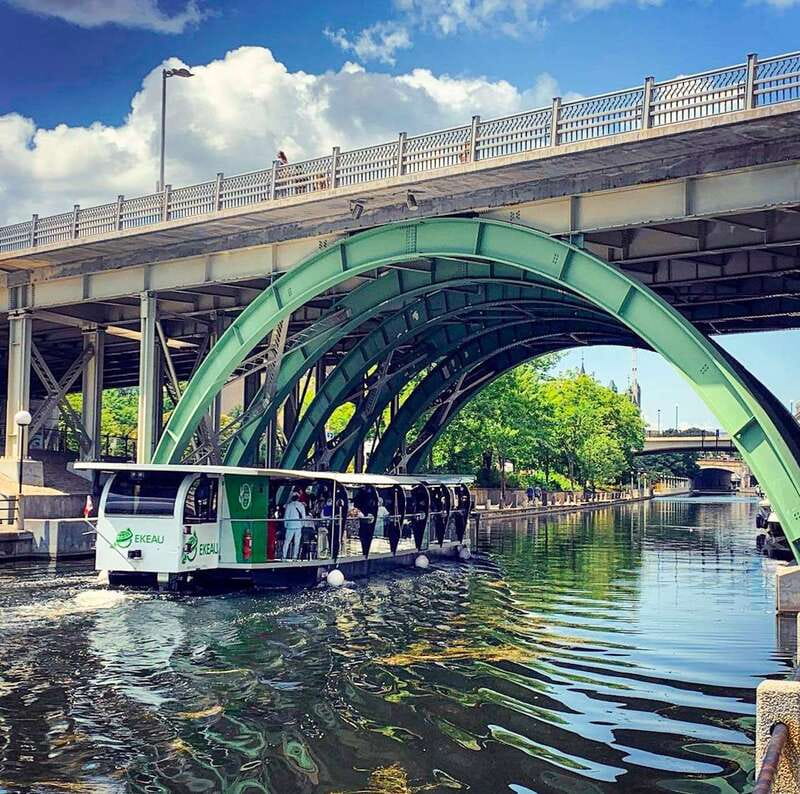
This isn’t an old-school, diesel puff-and-chug situation. The cruise uses a brand-new electric passenger vessel, and it’s described as North America’s largest 100% electric boat of its kind. Practically, that usually means a quieter ride and less distraction, so the guide’s stories land better.
More than the tech, I appreciate the vibe: people can actually talk, listen, and look around without battling noise. Several reviews specifically call out how smooth and quiet the electric boat feels, even in weather that isn’t perfect.
You’ll also notice the crew structure matters. The guide is live and keeps things moving, while crew members focus on safety and helping you settle in. If you’re the type who likes to ask, you’ll probably enjoy that interactive feel.
What to know about what’s on board
- Food and drinks aren’t included with the ticket price. If you want snacks or a drink, you’ll need to purchase them on site.
- There are washrooms mentioned as clean in feedback, which is a real comfort for a 90-minute trip.
The 90-Minute Route: Château Laurier to Dow’s Lake (and the Sites You’ll Spot)
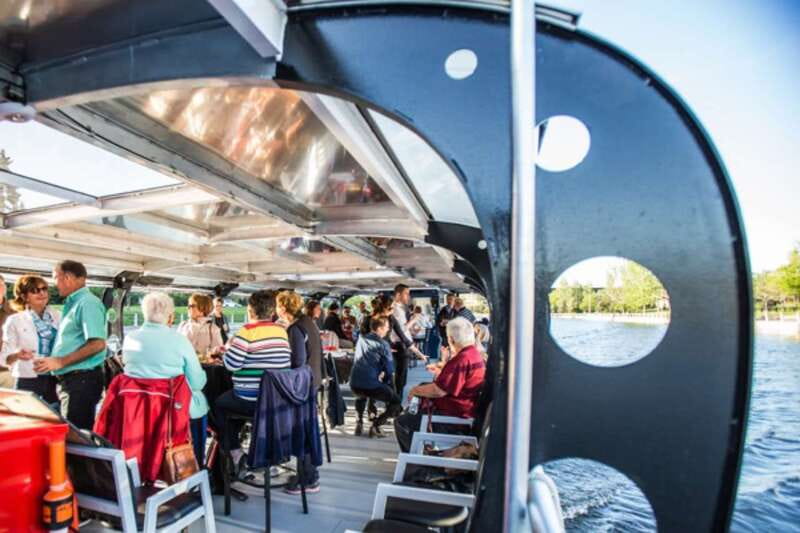
The cruise runs about 1.5 hours (90 minutes) and focuses on the iconic stretch from Château Laurier to Dow’s Lake. Along the way, you pass roughly 30 different sites tied to Ottawa’s evolution—plus a few bridges and crossings that create nice visual contrasts.
One neat thing I like about this kind of route is how it works like a living map. You’ll see the city’s major landmarks, then you’ll understand where they sit relative to each other.
Here’s how the sightseeing typically plays out, based on the named locations you’ll pass.
Starting near the National Arts Centre: Downtown Ottawa at Water Level
The boat departs from behind the National Arts Centre on 1 Elgin St. Before you even push off, it’s a good reminder that this is a central part of town—easy to reach compared to tours that start far outside the core.
Once you’re underway, you start seeing the city as a set of corridors: streets run parallel to the canal, then bridges cross over like connectors. That theme repeats throughout the cruise.





Château Laurier: One of the easiest photo moments
Château Laurier is one of the headline stops you’ll view from the water. Even if you’re not into architecture, seeing a famous Ottawa landmark framed by canal water does something simple: it makes the city feel instantly more “real” and less theoretical.
A practical tip: if you want photos, keep your phone ready when you’re near bigger landmarks. From a moving boat, you’ll get more usable shots when you’re prepared before the best angle arrives.
Canadian Museum of Nature: A museum exterior seen in context
The Canadian Museum of Nature is listed among the sites you’ll pass. From the canal, it’s less about exhibits and more about how the building anchors the area around it. That’s useful if you’re short on time and want a quick sense of where major cultural spaces sit.
If you’re planning a museum day later, this cruise can help you decide if the museum fits your interests—without committing a whole morning or afternoon.
Lansdowne Park and Canal-adjacent areas: city energy without street noise
You’ll also pass Lansdowne Park and other well-known downtown-adjacent areas. From the water, you can look at how these places relate to the canal corridor—how sports and entertainment areas sit near the calmer, scenic edges.
One benefit of the cruise is that it shows you what’s close together. Once you’ve seen it from the water, walking or cycling between areas can feel less like guesswork.
Bank Street Bridge and the “people and bikes” angle
A review highlights the satisfaction of seeing a bridge used by people and bicycles. Even if you don’t know the exact bridge by name before boarding, you’ll likely notice how some crossings are designed for calmer, human-scale movement.
This is one of those moments where the canal perspective helps. You can see how pedestrian and cycling routes fit into the city’s wider transport story.
Trans-Canada Highway: where the canal meets modern traffic
The Trans-Canada Highway is specifically mentioned among the sites along the route. Seeing it from the water gives you a contrast: the canal feels slower, more scenic, and then traffic infrastructure appears nearby.
That contrast helps explain something important about Ottawa: it’s not only a calm, planned capital. It’s also a functioning modern city with roads, bridges, and commuting flows right next to the water.
Commissioners Park and Dominion Arboretum: green space seen from motion
You’ll pass spots named Commissioners Park and Dominion Arboretum. Even without getting off the boat, you get a clear view of how Ottawa uses green areas near the canal.
This is a good part of the cruise for relaxing. If you’re tired from walking all day, this section gives your eyes a break while the guide keeps the story going.
Dow’s Lake: the “we made it” end feeling
Dow’s Lake is one of the major anchor points on this cruise. It gives you that satisfying end-of-route feeling because it’s a recognizable Ottawa destination, and it’s also tied to the canal’s central identity.
If you’re wondering whether the cruise feels long enough, this is why it works. Ninety minutes goes by fast when you’re moving through a sequence of recognizable places and ending at a key hub.
Locks and historic moments you’ll actually notice
Some reviews mention seeing old locks, described as amazing. Even if you aren’t a canal-history fanatic, locks are one of those physical features you can spot without needing a lecture. You’ll be able to see the canal’s “mechanics” in real view, not just in photos.
Seating, Weather, and How to Get the Best View
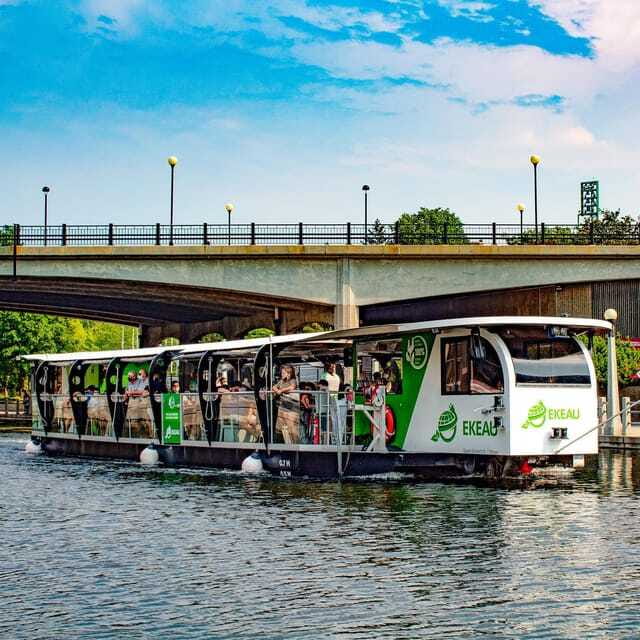
This cruise is outdoors for the viewing experience, but the boat setting makes it comfortable in most conditions. One review calls out that even in pouring rain, the cruise was worth it, which tells me the experience still feels intact when the weather isn’t perfect.
Still, don’t ignore practical comfort:
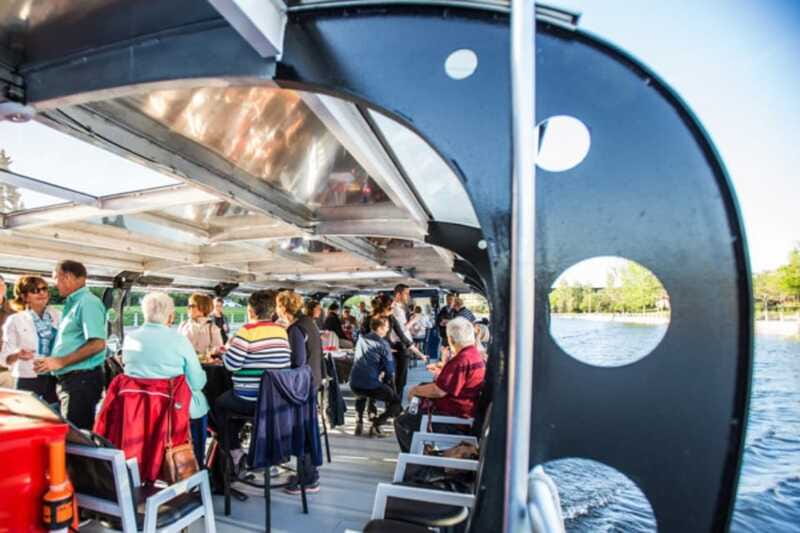
- The vessel has chairs, and a few chairs can feel less comfortable than you’d want for a full hour-plus.
- One review specifically notes chairs facing the opposite way. If you care about sight lines, arrive early and pick the best angle you can.
A small planning move that pays off
You’re asked to arrive 30 minutes before departure. I strongly agree with that here—not just for check-in, but so you can settle in, confirm where you’ll face, and enjoy the first minutes instead of scrambling.
The Live Bilingual Guide: The Real Value in This Cruise
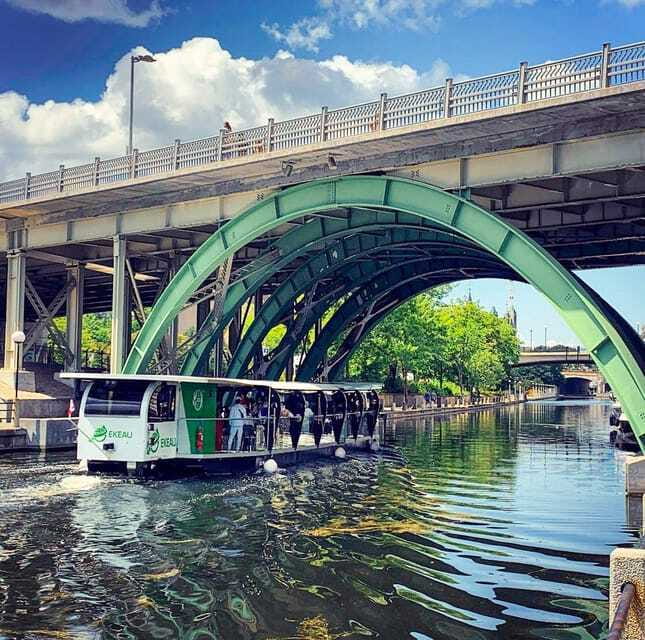
The standout value in this type of tour is the human piece. The cruise runs with live commentary in English and French, and the guide style matters.
From the reviews, guides like Melody, Ellen, Lilly, Jose, Caleb, and Ben show up again and again. The common thread isn’t just facts—it’s delivery. Guides use humor, keep a steady pace, and answer questions so the story feels personal instead of scripted.
One review notes that the guide tried to involve people and make space for questions. Another mentions the bilingual aspect being perfectly handled. If you like tours where you can interact instead of only listen, this cruise has that energy.
What you’ll hear, and why it matters
You’ll learn about Ottawa’s history along the canal—especially how many important sites line up along the route. You’ll hear references to things like the Canal Ritz, Bank Street Bridge, and the institutions named earlier.
This kind of narration works best for people who want context without hours of reading. It turns “I see a building” into “I know why it’s there, and what it connects to.”
Price and Value: How $41 Plays Out for a 90-Minute Tour
At $41 per person for about 90 minutes, you’re paying for three things at once:
1) a scenic water ride,
2) guided live interpretation, and
3) a very modern electric boat experience.
Is it cheap? No. A few reviews call it a bit over priced, especially with seating comfort noted. That’s a fair criticism. If you’re expecting upholstered comfort and unlimited snacks, you might feel the gap.
But I also think the math changes when you’re comparing it to how much time and effort it takes to see this many named sights on foot. For many itineraries, a canal cruise is the “rest and learn” block that keeps your day from turning into endless walking.
The food/drink detail that affects your budget
Tickets don’t include food or drinks. So if you plan to buy snacks, factor that into your total. Some reviews mention that the snack bar closed earlier than people expected, so if you care about refreshments, plan to buy what you want earlier in the trip.
Accessibility and Rules: Know Before You Go
This cruise is listed as wheelchair accessible, which is important. At the same time, it has limits:
- Mobility scooters are not allowed
- Unaccompanied minors are not allowed
- Children must be accompanied by an adult
If you’re traveling with mobility needs, you’ll want to think through seating access and the fact that the meeting point involves stairs. The good news is that the activity is flagged as accessible, but stairs at the departure point mean timing and assistance matter.
Who This Cruise Is Best For (and Who Might Want Another Option)
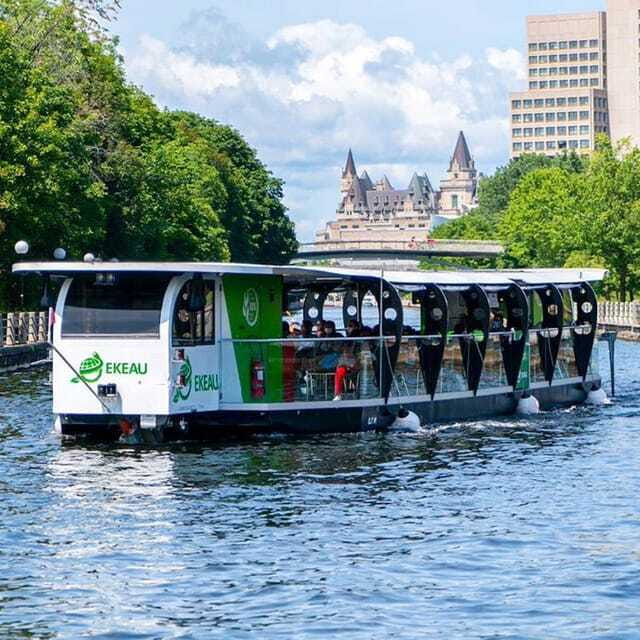
This cruise fits best if you want:
- an easy way to see downtown Ottawa highlights,
- a relaxing, guided experience,
- bilingual narration (English and French),
- and a quiet ride on a 100% electric vessel.
It’s also a strong choice for families who want a shorter, structured activity that doesn’t require museum tickets or long transit.
You might not love it if…
If you’re extremely picky about seating comfort for an hour-plus, a couple reviews are honest that chairs can feel stiff. Also, if you want food as part of the experience, remember that food and drinks aren’t included.
Should You Book Ottawa’s Rideau Canal Cruise?
I think you should book this if you’re even moderately curious about Ottawa’s layout and landmarks. It’s a time-efficient way to connect the dots between institutions and neighborhoods, and the electric boat makes the ride feel calmer than typical sightseeing tours.
If you’re sensitive to comfort, arrive early and choose your seat with sight lines in mind. And if you plan to buy snacks, plan earlier rather than assuming the full trip will include food service.
For most people on a short Ottawa visit, this is a high-impact activity that earns its place on the itinerary.
FAQ
How long is the Rideau Canal cruise?
The cruise is listed as 1.5 hours (90 minutes).
Where do we meet and when should we arrive?
The cruise departs from behind the National Arts Center at 1 Elgin St, Ottawa. Walk up the street and go down the stairs, and allow 30 minutes before departure time.
Is this cruise really on an electric boat?
Yes. It’s described as a brand-new, 100% electric passenger vessel.
Does the ticket include food or drinks?
No. Food or drinks are not included.
Are the guides bilingual, and is there an audio option?
Yes. There is live commentary in English and French. An audio guide is also available for download in several languages, including English, French, and Chinese (Simplified).
Is the cruise wheelchair accessible?
It’s listed as wheelchair accessible. However, mobility scooters are not allowed.
What’s the cancellation policy?
There’s free cancellation: you can cancel up to 2 days in advance for a full refund.