REVIEW · PRAGUE
Prague: Vltava River Cruise in Jazz Style and Commentary
Book on GetYourGuide →Operated by Terminál 18 Albatros · Bookable on GetYourGuide
Jazz on the Vltava makes Prague feel effortless. This 50-minute cruise pairs gentle jazz with Czech/English audio commentary as you glide past Prague Castle, Charles Bridge, the National Theatre, and more. My favorite part is how the music keeps the whole thing calm, while the commentary helps you place what you’re seeing. One thing to consider: the recorded narration can interrupt the music, so if you want non-stop jazz, you may prefer a live-band option.
This is also a practical “sit down, see a lot” plan. You’ve got options for seating: a warmer, enclosed lower deck and a top deck that’s open to the views, with blankets when the air turns chilly. At around $17, it’s one of the easiest ways to get landmark photos without turning it into another walking day.
In This Review
- Quick take: what makes this jazz river cruise worth your time
- Jazz on the Vltava: why this one-hour plan works
- Boarding at Terminal 18 (Albatros II): where to start and how to pick a seat
- The route through Prague’s core: what you see and why it’s different from walking
- Prague Castle and the riverfront: seeing a landmark from a new angle
- Charles Bridge photos: how the cruise framing helps your pictures
- Old Town and the National Theatre: the calm way to understand where you are
- Kampa and the riverfront architecture: what you notice when you stop rushing
- Audio commentary in Czech and English: how to use it without getting distracted
- Jazz volume and the onboard vibe: warm, calm, and easy to enjoy
- Food and drinks on board: plan a small treat, not a meal mission
- Timing tips: when sunset makes this feel extra special
- Price and value: why $17 feels fair for what you get
- Who should book this jazz Vltava cruise (and who might want a different style)
- Should you book the Prague Vltava Jazz Cruise?
- FAQ
- How long is the Prague Vltava jazz cruise?
- What’s included in the price?
- Where is the meeting point?
- What language is the audio commentary available in?
- Is the jazz live or recorded?
- Can I buy food and drinks onboard?
- Is it suitable for colder weather?
- Is there free cancellation?
- Can I reserve and pay later?
- How good are the sightseeing views from the boat?
Quick take: what makes this jazz river cruise worth your time
- Jazz that stays in the background while the city does the talking
- Czech + English audio that points out key buildings as you pass
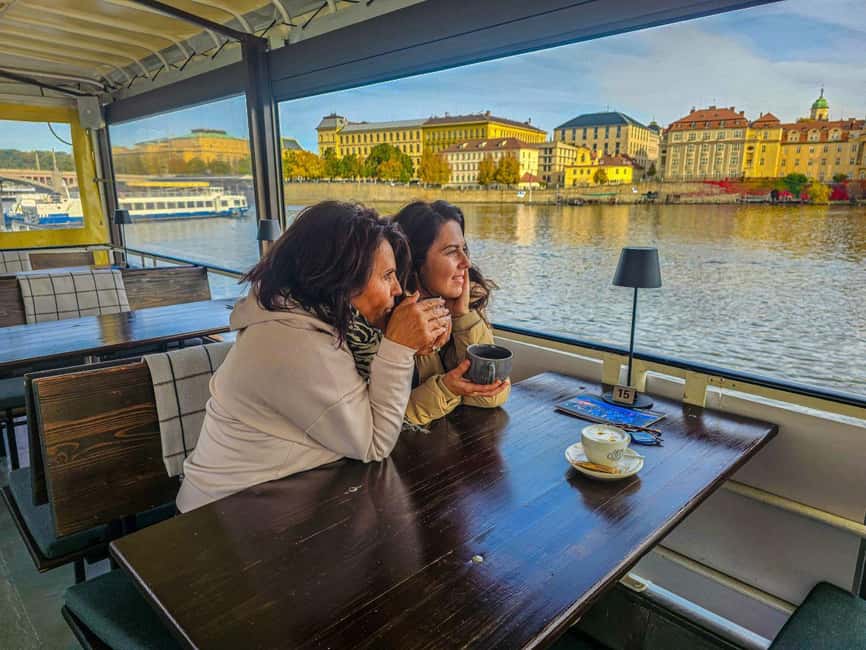
- Two-deck setup: enclosed lower for warmth, open top for big views
- Blankets and heating help you enjoy it even in colder months
- Onboard snacks and drinks are available to buy (so you’re not stuck with only river air)
Jazz on the Vltava: why this one-hour plan works
Prague is a city where you can spend hours walking and still feel like you’re only seeing part of it. This cruise flips the script. Instead of chasing views street by street, you get a moving vantage point—quiet enough to let the jazz work, but guided enough that you don’t feel lost.
The big win is the combo: music plus commentary. The jazz is meant to be soothing, not loud. It gives you that soft, evening soundtrack while the boat slides by the classic sights like Prague Castle and Charles Bridge. And the audio narration—available in Czech and English—helps you understand what you’re looking at as it’s in front of you, not after you’ve gone home.
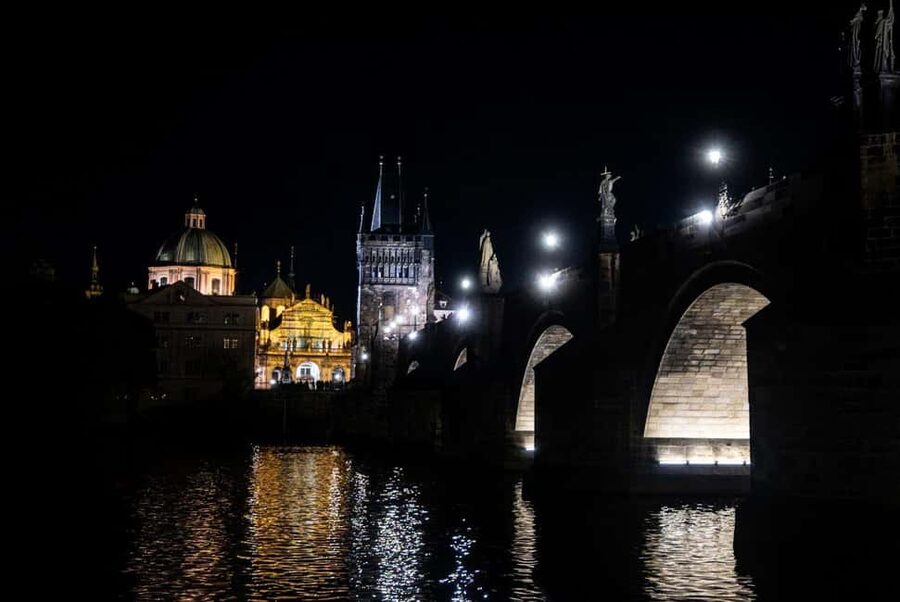
At the same time, the timing is flexible. Depending on your departure time, you might catch the city’s light shifting toward sunset. One review nailed it: the dark-blue sky plus yellow building lights made for a very photogenic moment. Even if you don’t hit sunset, it still works as a relaxed, low-effort way to see Prague’s center.
You can also read our reviews of more boat tours in Prague
Boarding at Terminal 18 (Albatros II): where to start and how to pick a seat
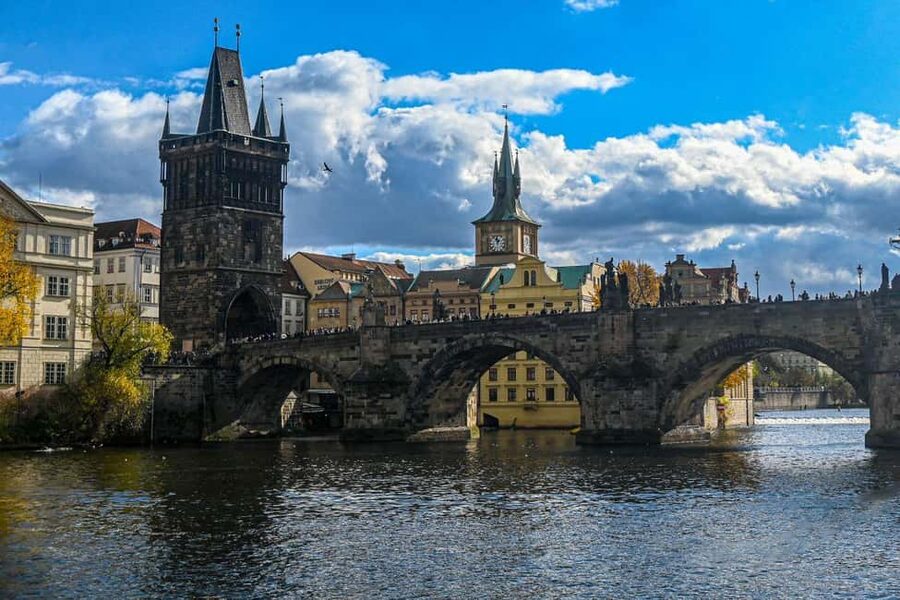
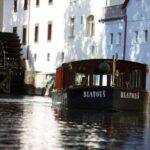
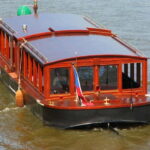
You meet at Nástupiště 18, U Štefánikova mostu, Praha 1. The cruise runs on Terminal 18 Albatros II (the boat is called Albatros II, and the meeting point matches the terminal setup).
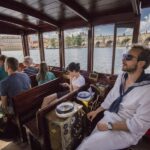
Once you’re on board, the seating choice matters. You can pick the vibe:
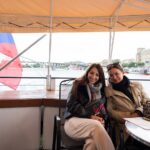
- Top deck: more exposed, best for skyline-style views and photos. In cooler weather, you’ll want to use the blankets provided.
- Lower deck: more enclosed and warmer, which is great if you’re visiting in winter or you just don’t want to fuss with wind.
If you’re the type who hates being cold during sightseeing (fair), I’d lean lower deck. If you’re chasing the classic river panoramas, top deck is the move—just bring a layer even if you plan to use the blanket.
One review described the lower deck as warm and calm, while the top deck is covered enough to handle light rain. Another mentioned hearing the difference in warmth between levels. Translation: the boat is set up so you can change your comfort level without ruining the view.
The route through Prague’s core: what you see and why it’s different from walking
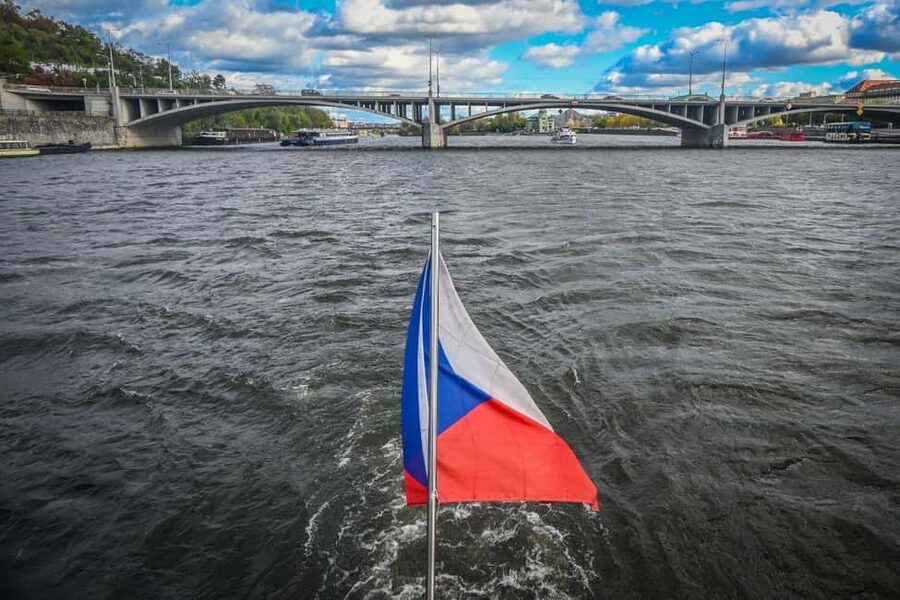
This isn’t a “tour bus drives by one landmark” experience. You’re moving through the heart of Prague along the Vltava River, which means you get perspective you can’t replicate from the streets.
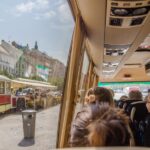
Even if you’re already familiar with Prague from photos, the river view changes the feeling. Buildings look taller and closer. Bridges don’t just sit there as objects—they become framing devices. And castles and theaters feel less like distant icons and more like parts of a single scene.
You’ll pass or see major landmarks connected to the tour highlights:
- Prague Castle (the big one people plan their whole trip around)
- Charles Bridge
- National Theatre
- Kampa (and nearby riverfront architecture)
The cruise also includes time near Old Town along the river. That’s useful because Old Town can be a maze on foot. From the water, you’re not decoding streets—you’re decoding shapes, spires, and lines.
Prague Castle and the riverfront: seeing a landmark from a new angle
Prague Castle is hard to ignore from almost anywhere. But from the river, it becomes less of a “destination” and more of an outlook—like you’re watching the city’s main landmark float into view.
As the boat glides along, you get a wide-angle view that’s usually difficult to replicate from the sidewalks. The castle’s massing and rooftops read differently when you’re at river level. It also gives you an easy photo moment: you’re not competing with crowds at a single viewpoint.
The jazz adds a nice atmosphere here. It doesn’t feel like you’re being herded through monuments. It feels like you’re taking in a panorama slowly. And if you’re listening to the audio, it helps you connect what you’re seeing to what the buildings are.
Practical tip: when the castle area opens up, move toward the side of the boat that offers the clearest line. The deck makes this easy—no climbing, no jockeying for position, just a quick shift.
Charles Bridge photos: how the cruise framing helps your pictures
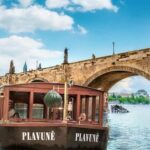
Charles Bridge is one of those places where people expect to have a view, but the river gives you something else. From the boat, the bridge stretches across your frame with less distortion and more context. You also get to capture it alongside other riverfront details rather than treating it like a standalone postcard.
If you like photos, this is a big reason to book the cruise. You don’t need to find the perfect angle on land. The boat provides a rolling viewpoint, and the audio commentary keeps you oriented so you know you’re photographing the correct sight at the right moment.
A key detail: you’ll be on the water for enough time that you can adjust for lighting. If you’re aiming for blue-sky-and-lights contrast, plan for an evening departure. One passenger mentioned timing right before sunset as the sweet spot for dark blue skies and warm yellow city lights.
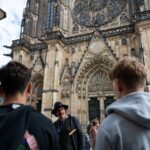

Old Town and the National Theatre: the calm way to understand where you are
Old Town is visually dense. On foot, it’s easy to feel like you’re constantly turning corners without fully “getting” the layout. From the river, you still get the atmosphere of Old Town, but you also get calmer context—how sections of the city relate to the river line.
The National Theatre is another highlight that tends to land well from the water. It reads like a formal centerpiece in the scene. On the cruise, it’s not just a building you pass in traffic—it becomes a landmark you can watch come closer and then slip by.
One of the underappreciated benefits is pacing. Walking in Prague can be nonstop. This cruise slows you down. The jazz background plus the narration gives your brain time to connect the dots instead of just absorbing shapes.
Kampa and the riverfront architecture: what you notice when you stop rushing
Kampa is often a “you’ll see it if you look” area, which is exactly why a river cruise suits it. From the water, you catch riverfront architecture and greenery-like details (depending on the season) without needing to hunt for streets.
This is where the cruise feels more personal. The boat isn’t just a straight shot past the biggest monuments. It offers moments where the city looks lived-in, not only staged for tourists. If you’re someone who gets tired of sweeping monument comparisons, Kampa can feel like a breather.
And you’ll likely appreciate the fact that you don’t have to decide where to go next. You’re moving, you’re seeing, and you’re listening.
Audio commentary in Czech and English: how to use it without getting distracted
The narration is delivered through audio in Czech and English, and it plays as you pass landmarks. That’s a smart setup for Prague, because signage and street context can be confusing if you’re not reading Czech.
Here’s the practical way to get value from it:
- Put most of your attention on the audio when you first spot a major building.
- Then switch to photos once you’ve heard what it is, so you know what you’re capturing.
- Don’t try to “listen perfectly” while also filming. The goal is to connect sight to name.
There’s a tradeoff. One review flagged that the commentary volume could feel low at moments because the music is always present. Another noted the narration interrupts the music more than some people want. If your dream is constant jazz, keep that in mind.
My take: if you like guided context, you’ll enjoy it. If you came for pure sound and silence, you might feel the narration tug a little. The fix is mental: treat the commentary as the pointer, not the soundtrack.
Jazz volume and the onboard vibe: warm, calm, and easy to enjoy
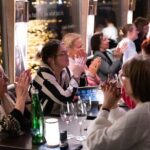
The best part of a “music cruise” is when the music doesn’t take over. Here, the jazz is soft enough that you can still hear people at your table, but it also blocks the usual public-noise problem. That gives you a comfortable middle ground: you’re not in a concert, but you’re not stuck in dead quiet either.
Staff service is consistently praised. Reviews mention friendly, helpful staff, and a comfortable, handled feeling even on smaller groups. On some departures, seating was described as having only a couple of families, which likely makes the whole vibe feel less crowded and more relaxed.
Also, comfort isn’t an afterthought. People pointed out blankets on the top deck in cold weather and a warm lower deck with heating. One reviewer even noted bench cushions on board, plus service that brought drinks directly to tables.
Food and drinks on board: plan a small treat, not a meal mission
Your cruise includes the ride, the jazz, and the audio commentary. Food and drinks are available to buy, which is useful because you can avoid the awkward moment of realizing you’re hungry halfway through.
From reviews, onboard options include:
- Tea and beer
- Snacks and sweet treats (one review mentioned a brownie)
- A charcuterie board that got positive comments
Prices were described as reasonable, and service was described as waiter-style, with drinks brought to your table. That’s a big deal on a boat—standing in line while the river keeps moving gets annoying fast.
If you want the cruise to feel like a smooth evening, treat this as a small upgrade: a warm drink, a snack, or a simple board to share. Don’t make it a full dinner plan unless you know you’ll still have energy afterward.
Timing tips: when sunset makes this feel extra special
A one-hour cruise is short. That’s good. But it also means timing matters.
If you choose a departure close to sunset, you can get that payoff of shifting colors—blue sky, then darker tones, then warmer yellow lights on buildings. One passenger specifically loved the timing right before sunset and described the contrast as picturesque.
In winter or shoulder season, the comfort side matters even more. Reviews pointed out that in November and February it can get chilly, and that’s exactly when blankets and heating make the difference between a nice cruise and a stiff, grumpy one.
So: check the departure times you can book, then choose the one that gives you the light you want. If it’s cold, plan for warmth first, photos second.
Price and value: why $17 feels fair for what you get
At about $17 per person for a roughly 50-minute cruise, the value comes from what’s included and what’s optional. You’re not paying extra for the core experience. You’re getting:
- A real river ride through Prague’s center
- Reproduced jazz music
- Audio commentary in Czech and English
- Enough time for landmarks to come by clearly
Then, you can choose how much you want to spend on top—drinks, tea, snacks, or a charcuterie board. That’s a good value model because you can go budget or treat yourself slightly.
Compared to paying for multiple paid viewpoints or spending hours in transport to “the perfect spot,” this is simple. It’s also a low-effort reset after walking. You’ll likely feel like your feet got a break even if you didn’t plan it as a rest day.
Who should book this jazz Vltava cruise (and who might want a different style)
This cruise fits best if you want:
- A calmer Prague experience between walking-heavy days
- Landmark views without navigating crowds on bridges
- Music plus context (jazz with commentary, not just a silent sightseeing cruise)
- A plan that works for couples, friends, and families
It’s also a good match if you’re traveling in colder months, because reviews highlight blankets and warmth as real comfort wins.
Consider a different option if:
- You want music only, with zero interruptions
- You’re highly sensitive to audio levels and don’t like narration cutting into the soundtrack
If you’re somewhere in the middle—fine with commentary as long as the vibe stays relaxed—this works extremely well.
Should you book the Prague Vltava Jazz Cruise?
Yes, I’d book it if you want a straightforward, good-value way to see Prague’s biggest sights from the water. The combination of jazz and Czech/English audio is a smart pairing: it helps you understand what you’re seeing while keeping the mood soft instead of classroom-like.
If you’re going in cold weather, this is even more appealing thanks to the blankets and warm interior seating. And if your timing lines up with evening light, you can turn a simple cruise into a genuinely memorable photo and relaxation session.
FAQ
How long is the Prague Vltava jazz cruise?
The duration is listed as about 50 minutes.
What’s included in the price?
You get the cruise, reproduced jazz music, and audio commentary in Czech and English.
Where is the meeting point?
Meet at Nástupiště 18, U Štefánikova mostu, Praha 1.
What language is the audio commentary available in?
The audio commentary is offered in Czech and English.
Is the jazz live or recorded?
The cruise features reproduced jazz music.
Can I buy food and drinks onboard?
Food and drinks are available to purchase on board.
Is it suitable for colder weather?
Reviews mention blankets on the top deck and warmth/heating in the lower deck, which makes it more comfortable in chilly months.
Is there free cancellation?
Yes. Free cancellation is offered up to 24 hours in advance for a full refund.
Can I reserve and pay later?
Yes. There’s a reserve now & pay later option mentioned in the activity details.
How good are the sightseeing views from the boat?
The cruise is designed for landmark views from the water, including Prague Castle, Charles Bridge, and the National Theatre, with photo opportunities highlighted in the experience description.