REVIEW · VILA NOVA DE GAIA
Porto: 6 Bridges Port Wine River Cruise with 4 Tastings
Book on GetYourGuide →Operated by Sailing360_Douro · Bookable on GetYourGuide
Porto’s bridges look different from the water. This 2-hour Douro cruise pairs a classic river route with four port wine tastings, plus guided stories about the city’s most famous spans. You’ll float along Porto and Gaia with a certified crew, then get that sunset glow if you pick the late departure.
I especially liked two things. First, the six-bridge route turns Porto’s skyline into a living history lesson, from Dom Luís I to Freixo. Second, the port tastings feel practical and educational, not just a quick sip, with real talk about how port wine works and why these styles matter.
One consideration: the meeting point is at the Douro Marina, a bit outside the main historic core, so plan your transport. Also, this boat trip is not suitable for people with mobility impairments.
In This Review
- Key things to know before you go
- The Six-Bridges Route: Why This Cruise Works
- Port Wine Tastings: What Four Glasses Teach You
- Getting There: Douro Marina and the Walk From Porto
- From São Pedro da Afurada to Arrábida Bridge: First Views, Quick Context
- Jardins do Palácio de Cristal and the Gaia Side: Seeing the City Face-to-Face
- Dom Luís I to Ponte Maria Pia: When Porto’s Engineering Becomes a Story
- Ponte do Infante, Ponte de São João, and the Freixo Bridge Line-Up
- Ribeira and Sé: The Historic Core Without the Crowd Push
- Sunset vs Afternoon: Pick Your Weather Strategy
- The Boat, Crew, and the Little Comfort Details That Matter
- Price and Value: Is $55 Worth It?
- Who This Cruise Is Best For
- Should You Book the Porto Six Bridges Port Cruise?
- FAQ
- How long is the Porto 6 Bridges Port Wine River Cruise?
- What’s included in the price?
- Where do I meet the tour?
- Is hotel pickup included?
- Are food and drinks allowed on board?
- What languages are the guides and hosts?
Key things to know before you go
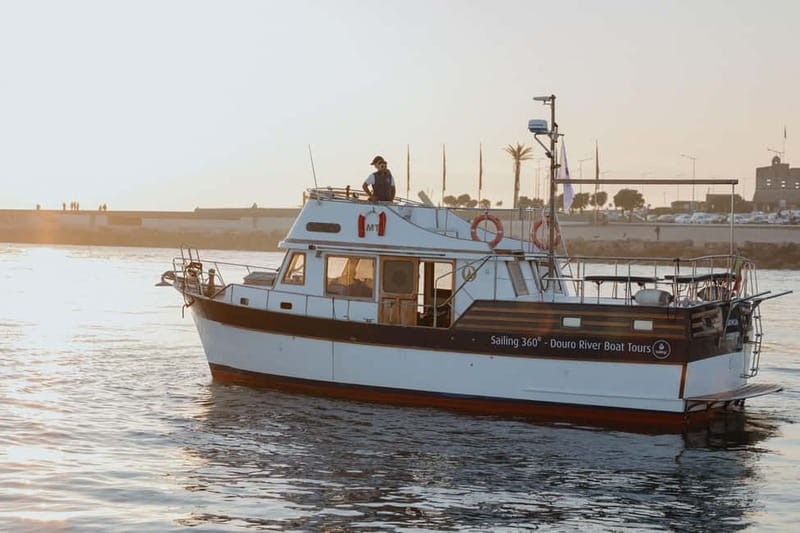
- Four port wine tastings during the ride, sized for a proper compare-and-contrast tasting
- Six bridges in one loop, with guiding focused on what you’re seeing and why it matters
- English, Portuguese, and Spanish narration from the crew, so you’re not stuck with vague explanations
- Outside deck or warm inside seating, which matters on cool evenings on the river
- Spotify on board, with the crew keeping the vibe light and the ride comfortable
- Sunset departures often feel like the main event, with crew efforts to catch the best light
The Six-Bridges Route: Why This Cruise Works
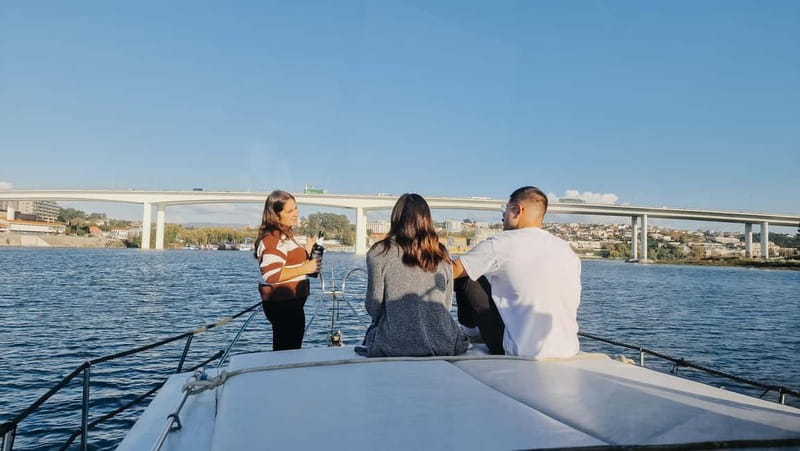
Porto is a city built for viewpoints. But if you’ve done the standard walking loop, you know the hard part: you can only stare at the river so long from land before crowds and traffic interrupt the magic.
From the water, everything clicks. Bridges stop being just photo subjects and start becoming part of how the city breathes. You see the river’s width, the cliff-backed neighborhoods, the docks, the warehouses, and the way Gaia faces Porto like a mirror. The cruise route is timed so you get multiple “aha” moments instead of one long straight stretch.
The guide-and-crew format is also a big deal. With a certified crew running the boat and a host sharing context, you’re not left guessing what you’re looking at. Names, dates, and cause-and-effect stories help you connect the bridge shapes to the geography.
And the best part? It’s only two hours. That’s short enough to fit on your first or second day without turning the schedule into a math problem.
Port Wine Tastings: What Four Glasses Teach You
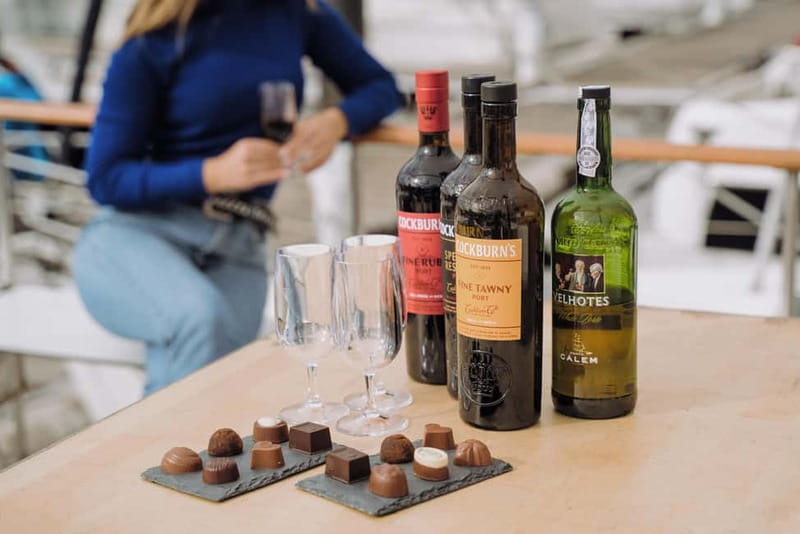
This is not a full winery experience. You’re on a moving boat for about two hours, and that sets expectations: tastings are meant to be clear and enjoyable, not exam-level.
Still, the four pours matter because they let you compare styles. You don’t just taste “port.” You taste differences in sweetness, body, and character, and you learn what to listen for while you sip. The crew also tends to give you pairing-style context about the glass you’re holding—what makes that style what it is, and where it fits in the larger port tradition.
Grants and style cues come up in a way that sticks. For example, people have reported a selection including Gramhams port, and guides often explain how each wine differs as you go. That makes the tasting feel like a mini lesson with an easy pace.
Practical tip: pace yourself. You’re drinking four tastings over two hours, not eight shots in ten minutes. If you want to enjoy the views and not just the wine, take small sips, then look up at the bridges between each tasting.
Getting There: Douro Marina and the Walk From Porto
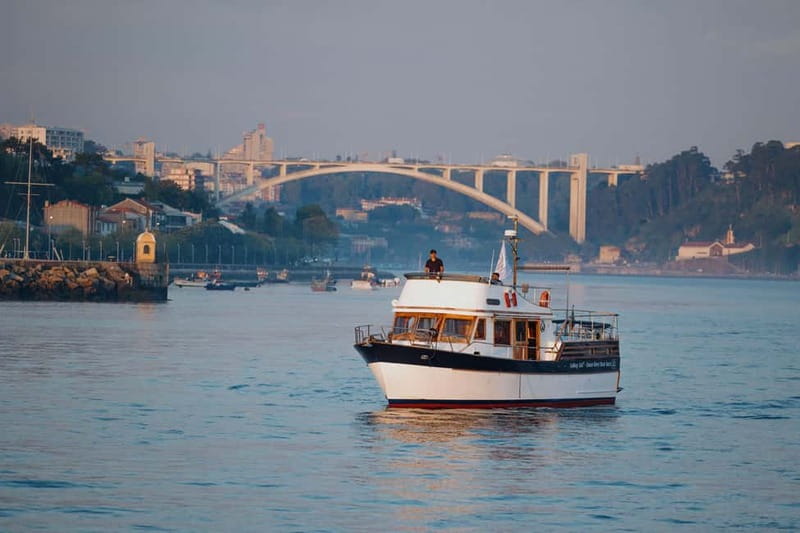
Meet at Shop 6 in the Douro Marina. No hotel pickup, so you’ll either walk, taxi, or use a rideshare. The location is outside the main tourist knot around Ribeira, and some people report it can take close to an hour on foot if you’re starting from the center.
That’s not necessarily bad. The marina side usually feels calmer. But don’t plan to wander over at the last second. Give yourself buffer time, especially if you’re navigating stairs, hills, or construction.
Once you’re aboard, the boat setup helps: you can choose the outside deck for photos and the inside area when the river air turns chilly.
From São Pedro da Afurada to Arrábida Bridge: First Views, Quick Context
The ride starts around São Pedro da Afurada, a neighborhood setting that frames Porto’s river edge. From here, you get that classic sense of the city rising from water-level reality, not postcard rooftops.
As you glide toward the Arrábida Bridge, your guide’s job is to connect the bridge to the river corridor. You’ll see how the span controls movement across the Douro, and you’ll start picking out the “layers” of Porto: older river structures, modern traffic routes, and the way neighborhoods sit on slopes.
This is one of the best early stages to pay attention. The first 20–30 minutes set the mental map. After that, the bridges start linking together in your head, and the stories feel more coherent.
If you’re sensitive to cold, this is a good time to decide where you’ll sit. Afternoon can be sunny. Sunset can bring wind fast.
Jardins do Palácio de Cristal and the Gaia Side: Seeing the City Face-to-Face
Next comes the Jardins do Palácio de Cristal area, which matters because it’s one of Porto’s “soft edges.” It’s not just architecture; it’s the way gardens and river views blend into a postcard scene. From the water, you can spot sightlines you’d miss from streets.
Then you cross into Gaia, including the Cais de Gaia area. Gaia is more than “the other side.” It’s where the river’s industrial past meets today’s wine identity. This is where port wine storytelling makes sense, because the city’s geography is tied to the wine’s movement and storage history.
If you’re thinking about port cellars later, this section gives you the mental picture. You start to understand why the Douro Valley became so important and why Porto built its economy around that connection.
Dom Luís I to Ponte Maria Pia: When Porto’s Engineering Becomes a Story
Now you get the heavy hitters—the bridges people come to Porto to photograph. But the key is: you don’t just see them. You learn how they changed travel and shaped Porto’s relationship with the river.
You’ll pass Dom Luís Bridge, one of the defining silhouettes of Porto. Guides typically explain what makes the span iconic and how it fits into the broader bridge-building era of the city.
After that, you’ll see Ponte Maria Pia. This bridge is often described as more than a crossing—it’s a statement about design and ambition. From the boat, you notice proportions that are hard to judge from a street viewpoint.
When the guide connects the bridge form to the city’s needs, you’ll start seeing Porto as an engineering story as much as an art story. That’s the difference between a “nice boat ride” and a trip that changes how you see the city.
Ponte do Infante, Ponte de São João, and the Freixo Bridge Line-Up
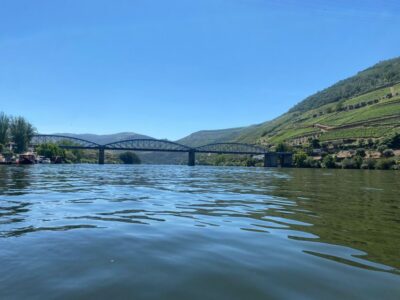
The itinerary continues with Ponte do Infante, followed by Ponte de São João, and then Freixo Bridge. Taken together, they show how the Douro corridor keeps evolving.
What I found useful here is the way the cruise balances older landmarks with newer routes. It helps you understand Porto isn’t stuck in time. The bridges represent shifting traffic patterns, changing city growth, and different design approaches.
Freixo Bridge and the Palace of Freixo area give the ride a slightly different mood: a more spacious-feeling view, where you can breathe and scan the river for details. You get to spot how the riverbanks vary, from built-up zones to quieter stretches.
If you like photography, these sections are where you’ll get your angle variety: water-level perspective plus sweeping city backdrops behind the bridge lines.
Ribeira and Sé: The Historic Core Without the Crowd Push
Near the end, the cruise brings you back into views aligned with Ribeira and around Sé, Porto. This is where the “why I’m here” part clicks again.
From the water, Ribeira’s density looks different. Streets still look busy, but you get the overall structure: the riverfront living space, the hillside rise, the way churches and historic blocks sit above the docks.
Sé, Porto adds a strong visual anchor. Even from across the river, you can recognize the presence of the cathedral area and how it dominates the urban outline. It’s a reminder that Porto’s old center isn’t just buildings—it’s a geography of elevation, stone, and sightlines.
This final phase also tends to feel calmer because the big bridge moments are already done. It’s a good time to settle in, compare the port styles you tasted earlier, and pick out where you’ll want to walk later.
Sunset vs Afternoon: Pick Your Weather Strategy
The experience runs on two timetables: an afternoon option and a sunset option. The afternoon ride tends to feel brighter and breezier, which is great if you want clear photos and don’t mind sun.
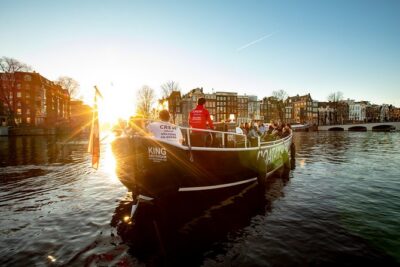
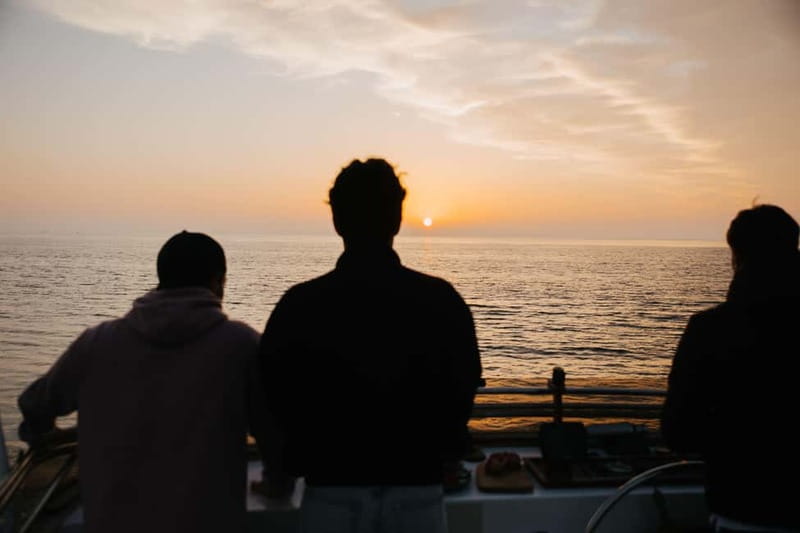
The sunset departure is the crowd favorite for a reason. People specifically recommend it because the sky reflections land on the water in a way you just can’t fake. One important practical note: the river air can get chilly, even if the rest of the city feels mild.
The boat setup helps a lot. There’s inside warmth, plus crews have provided blankets in cold snaps according to experiences shared by guests. Even if the sunset is cloudy, you still get the atmospheric color shift and a slower pace to close out your day.
If you’re choosing between the two, my advice is simple:
- If you care most about light and atmosphere, choose the sunset.
- If you want a relaxed daytime cruise and you’re juggling other plans, pick the afternoon.
The Boat, Crew, and the Little Comfort Details That Matter
This is a shared cruise, but it doesn’t feel like a cattle call. Several guests described smaller group sizes and easy interaction, which makes a difference when you have questions about port wine or bridge history.
The crew approach is consistently friendly. People named guides like Nadia, Thomas, Liliana, Javier (captain), Eduardo, Tomas, João, Rita, John, and Philippe while describing service that felt calm and organized.
There’s also a service element that goes beyond narration. Guests have mentioned the crew helping keep everyone comfortable, including warmth for cooler evenings. In a city where you can easily spend a lot of time standing, that comfort matters.
One extra detail: Spotify on board adds a modern touch. It helps keep the ride upbeat without turning it into a loud party.
Price and Value: Is $55 Worth It?
At about $55 per person for a 2-hour cruise with boat time plus 4 port tastings, you’re paying for three things at once:
1) A real Douro river experience, not just a viewpoint stop
2) A guided explanation tied to what you’re seeing
3) Four structured tastings so you actually learn while you drink
If you’re trying to make the most of limited time in Porto, this kind of bundled value is hard to beat. You get both sightseeing and an activity that’s very “Porto,” without needing separate tickets for each.
A smart way to judge value is to think about alternatives. If you only did a bridge/photo boat ride, you’d still want something that makes it Porto-specific. If you only did a port tasting, you’d miss the water-level skyline. Here, you get both in one compact block.
For best value, come with the right mindset: you’re not trying to drink like it’s a festival. You’re trying port styles with guidance, then watching the city change behind them.
Who This Cruise Is Best For
This is a great fit if you:
- Want a short Porto activity that feels local, not generic
- Enjoy history told in a clear, visual way while you move through the city
- Like port wine and want a guided tasting instead of a random sample
It can also work well as a first evening plan. The ride helps you understand Porto’s layout quickly, so your next walks and museum visits make more sense.
One limitation: it’s not suitable for people with mobility impairments, so plan a different kind of tour if that’s relevant for you.
And if you’re traveling with friends or a couple, the shared boat format is a sweet spot. You get social energy without being stuck in a giant group.
Should You Book the Porto Six Bridges Port Cruise?
I’d book this if you want a clean, efficient way to see Porto from the Douro while tasting port as part of the experience. The combination of six bridge storytelling and four tasting pours makes it feel complete, not half sightseeing and half drinking.
Choose the sunset slot if you can. The light on the bridges and the calm river tone are the reason many people call this the highlight of their Porto trip. If you’re worried about weather, keep a jacket handy and be ready to switch your expectations to mood over a perfectly clear horizon.
If your must-do list is huge and you only have two hours to spare, this is the kind of plan that earns its place on the schedule. It turns Porto’s skyline into a story you can actually follow.
FAQ
How long is the Porto 6 Bridges Port Wine River Cruise?
It lasts about 2 hours.
What’s included in the price?
The tour includes the boat cruise, tastings of 4 port wines, a certified crew, and Spotify on board.
Where do I meet the tour?
Go to Shop 6 in the Douro Marina.
Is hotel pickup included?
No. Hotel pickup and drop-off are not included.
Are food and drinks allowed on board?
No food and drinks are allowed.
What languages are the guides and hosts?
The host or greeter is available in English, Portuguese, and Spanish.