REVIEW · AMSTERDAM
Dutch Pancake City Centre Canal Cruise
Book on Viator →Operated by Fun Boat Amsterdam · Bookable on Viator
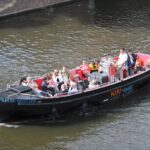
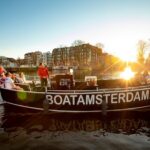
Pancakes on a canal boat? This one pairs a classic Amsterdam canal cruise with an on-board Dutch pancake tasting, so you’re eating while the city’s major sights roll by. It’s an easy way to see a lot of the old town without turning the day into a walking contest.
I’m also taken with the practical feel of the format. You get commentary as you go, so landmarks like the Anne Frank House area and the Jordaan make more sense than they do from a random street corner.
One thing to consider: it’s about 1 hour, so every stop is more of a look-and-listen moment than a deep visit. If you’re hoping for long sightseeing hangs, plan a separate time on land.
In This Review
- Key highlights to expect
- A canal cruise that mixes famous sights with Dutch pancakes
- Price and timing: is $34.25 worth it?
- Where you meet (Leidsekade) and how the day stays simple
- Anne Frank House from the water: what you’ll actually learn
- Amstel River, bridges, and why Amsterdam gets its name
- The most expensive canals and the Herengracht bend you’ll notice
- A quick stop for houseboats: seeing the inside look
- Westerkerk and Westertoren: Protestant landmarks with real height
- Jordaan canals, 9 Little Streets, and the working-class story
- A museum reference from the water: Hermitage and Amsterdam Museum
- Stone bridge milestones and performance-ready bridges
- Amsterdam by bike: a fun fact that sticks
- Pancake time: the on-board moment kids love (and adults enjoy)
- Who should book this cruise
- Should you book this Dutch Pancake City Centre Canal Cruise?
Key highlights to expect
- Dutch pancake tasting served during an Amsterdam canal cruise
- On-board narration linking big landmarks to the city’s stories
- Jordaan + UNESCO canal area views from the water
- Small group size (up to 22 people) that makes questions easier
- Food moment that keeps kids engaged while you cruise past top sights
A canal cruise that mixes famous sights with Dutch pancakes
Amsterdam is great at doing two things at once: beauty and practical efficiency. This cruise is built the same way. You’re on the water for about an hour, you’re hearing the story behind what you see, and you get sugar-dusted Dutch pancakes to keep the whole experience moving along at a good pace.
What makes it especially fun is that the pancakes aren’t a separate, “stop for food later” plan. They’re part of the flow of the ride. That changes the vibe for families and anyone who gets restless with long tours, because the food moment becomes a natural break while the boat slides along the canals.
You’ll also get a line-up of top sights that most people try to hit in a single day anyway. The difference here is that the boat handles the transfers. You can stay seated, watch, and absorb the city as it comes to you.
You can also read our reviews of more boat tours in Amsterdam

Price and timing: is $34.25 worth it?
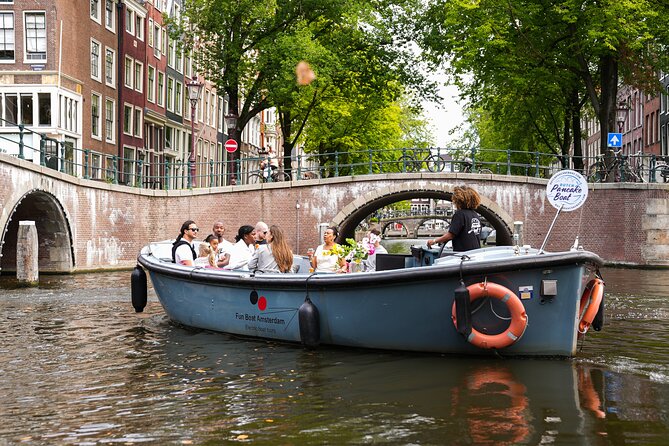
At $34.25 per person for about 1 hour, you’re paying for three things bundled together: a guided canal cruise, narration on key sights, and a Dutch pancake tasting. If you were doing these separately, the math usually gets messier. Here, the “cost” feels more like a ticket into an experience instead of buying snacks and sightseeing piecemeal.
Also, this is popular enough that it’s often booked about 32 days in advance. That’s a clue to plan ahead, especially if you want the 10:30 am departure slot.
The timing matters, too. A morning start gives you calmer energy in the old town and better chances to enjoy views without the tight crowds that can build later. You’ll still want to arrive a few minutes early so you’re not rushing at the meeting point.
Where you meet (Leidsekade) and how the day stays simple
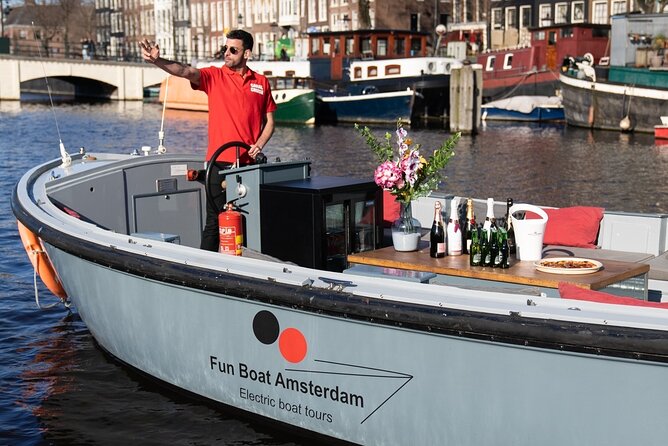
The tour meets at Leidsekade 101, 1017 PP Amsterdam. It starts at 10:30 am and ends back at the same spot, which is a big deal in a city where getting from point A to point B can eat time.
The area is near public transportation, so you’re not forced into a long walk from wherever you’re staying. If you’re using trams or metros, this kind of “nearby” meeting point is the difference between a smooth start and a stressful one.
Group size stays small, with a maximum of 22 people. That helps for two reasons: you don’t feel packed in, and it’s easier for questions to land during the narration.
Anne Frank House from the water: what you’ll actually learn
One of the clearest stops is the Anne Frank House area—presented as the actual house where Anne Frank and her Jewish family were hiding during World War II. Hearing that context while you’re viewing the buildings from the canals is powerful, because it anchors the site to a real place rather than a name you’ve seen in a book.
Keep expectations practical. This is a canal cruise, so you’re not doing a museum visit here—you’re getting the significance framed while you look. Still, this format works well if you want to keep moving through Amsterdam without losing the emotional weight of what you’re seeing.
A quiet but important tip: be respectful with your volume on this stretch. Even if you’re with kids, it’s worth guiding the group toward a calmer, more attentive tone.
Amstel River, bridges, and why Amsterdam gets its name

The narration spends time on the Amstel River, including how the river flows from the Amstel to Damsquare—and that’s tied to how Amsterdam got its name. That kind of explanation is exactly why I like canal tours. You see the geography, then the speaker connects the dots.
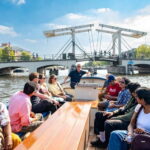
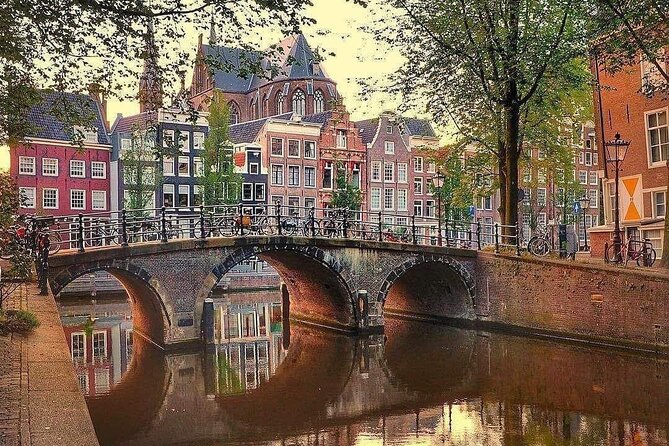
You’ll also pass the kinds of bridges Amsterdam is famous for, including an iconic wooden bridge over the Amstel River. Even if you’ve seen photos online, it’s different from street level. From the water you get a better sense of how the canal shape and bridge placement guide movement across the city.
This section of the cruise is a good reset for first-timers. You get the geography, then you can start recognizing neighborhoods as the boat shifts along the canal system.
You can also read our reviews of more city tours in Amsterdam
The most expensive canals and the Herengracht bend you’ll notice
At some point, the narration calls out the most expensive canal in Amsterdam, and it also flags a bend on the Herengracht as the place with the most expensive properties. You might wonder why someone would point that out on a sightseeing boat.
Here’s the practical value: those comments help you read what you’re seeing. Amsterdam’s canal houses look similar at first glance, but the city’s wealth history shows in the details, the scale, and the way the canal banks are described in the stories you’re hearing. Even if you don’t go full architecture nerd, it gives you a lens for noticing the differences.
And it’s not just about money, either. It’s a reminder that the canals are not only scenic. They’re also the city’s historical infrastructure—ways of moving goods and people. When a guide highlights the most expensive stretches, the city’s past starts to feel more connected to what you’re physically seeing.
A quick stop for houseboats: seeing the inside look
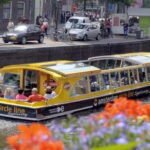
One itinerary moment is aimed at people who want to understand what a houseboat looks like from the inside. From the canal, you’re in a great position to get a feel for layout and scale, since you’re close to the waterline and you can compare it to the bridge height and neighboring buildings.
This is especially interesting if you’ve only ever seen houseboats as images. Seeing them from the water helps you grasp how living spaces adapt to the canal environment.
If you’re with kids, this kind of “how it works” stop often beats another landmark lecture. It turns the ride into something more hands-on, even though you’re still seated.
Westerkerk and Westertoren: Protestant landmarks with real height
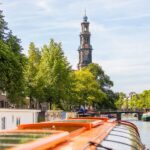
The cruise also references the Westerkerk—not just as a pretty church, but as a district church connected to the Protestant Municipality of Amsterdam. From there, you get the Westertoren, called out as an 85-meter-high tower on top of the Westerkerk.
The fact that the tower height is specified is useful. It helps you gauge what you’re looking at while you’re moving. From a boat, you don’t have the luxury of lingering with a long stare, so a clear “this is how tall it is” detail keeps you oriented.
Even if church architecture isn’t your thing, the tower reference makes the skyline easier to track.
Jordaan canals, 9 Little Streets, and the working-class story
The Jordaan is discussed as a typical working-class neighborhood where many craftsmen lived. That’s a helpful framing. It’s easy to see Jordaan today as a place for strolling and shopping, but the cruise narration gives you the earlier social context.
You’ll also hear about 9 Little Streets, described as a shopping area right next to the Jordaan. That’s a nice pairing because it connects the quiet, residential canal feel with the small shopping lanes people look for on foot afterward.
The canal details are part of the fun here, too. You’ll hear about the Lauriergracht, called a small canal in the Jordaan that connects the Prinsengracht with the Singelgracht. And the Prinsengracht is mentioned as a UNESCO World Heritage-listed canal. Those labels help you understand why Amsterdam’s canal system is treated like something more than decoration.
A museum reference from the water: Hermitage and Amsterdam Museum
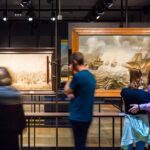
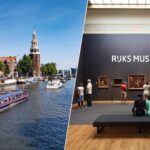
The cruise includes a stop where the narration points to the Hermitage Museum setting and mentions that it has an exhibition of the Amsterdam Museum. That’s a smart “future plan” detail.
You’re not required to jump into another museum today, but it gives you a clear, concrete option if you want to turn the boat stories into deeper indoor time later. It’s the kind of hint that helps you build a second day without guessing.
Stone bridge milestones and performance-ready bridges
Two more narration points add variety beyond canals and neighborhoods.
First, the tour mentions a place recognized as the first bridge made of stones in Amsterdam. Then it brings in a bridge built in 1986, described as created especially for opera concerts and ballet shows. That pairing is surprisingly interesting because it shows how Amsterdam mixes older infrastructure milestones with newer cultural architecture.
If you like the idea of seeing a city that layers time—medieval-ish reference points alongside modern performance venues—this portion makes the cruise feel less like a sightseeing checklist and more like a guided timeline you can see from the water.
Amsterdam by bike: a fun fact that sticks
One narration line calls out that Amsterdam is a real bike city, and that it has more bikes in the city than inhabitants. Even if it sounds like a meme, it’s the kind of statement that changes how you watch the streets.
After hearing it, you’ll start seeing the biking culture as part of the city’s movement system, not just a transportation curiosity. It fits the overall feel of canal routes too: Amsterdam’s “flow” matters—water and wheels.
Pancake time: the on-board moment kids love (and adults enjoy)
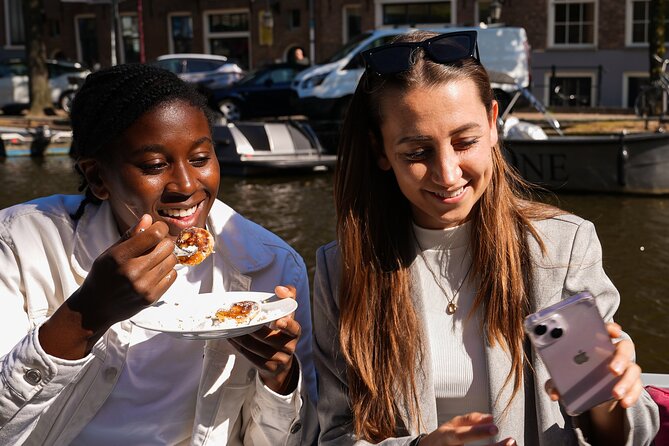
The signature feature is Dutch pancakes served on the cruise. The tasting is described as sugar-dusted, and the boat includes that extra engaging step: pancakes get made during the experience.
This matters more than you’d think. It turns the food into entertainment. In particular, it gives kids a reason to look up from screens or snacks and start asking questions about Amsterdam while the pancakes happen. The ride becomes a sequence of sight + story + food, instead of story + sight + wait.
Adults get a lot out of that timing, too. You’re not stuck waiting for a random meal window. You get a sweet finish that feels local and stays attached to the city-view experience.
If you’re traveling with a young child, this is the kind of activity that can reduce the usual “what do we do now?” problem. Kids can watch ducks and other boats, then they get the pancake-making moment, then they’re back to watching the canal scenery.
Who should book this cruise
This is a strong fit if you want a single-hour plan that hits major Amsterdam sights without turning your day into a long grind. The pancake element also makes it easier to enjoy even if not everyone in your group is equally into museums or architecture.
It’s also a great choice for families with kids who need active engagement. The format is question-friendly and the food moment adds momentum.
Foodies will like it because it’s not just eating in general—it’s a specifically Dutch treat served during the main activity. And if you’re the type who enjoys learning how neighborhoods evolved, the narration threads working-class Jordaan, canal geography, and landmark context into one smooth ride.
Should you book this Dutch Pancake City Centre Canal Cruise?
I’d book it if you want a simple, high-value hour that combines UNESCO canal views, on-board narration, and a Dutch pancake tasting without extra planning. The small group size makes it feel more interactive than the big “sit and listen” cruises.
I would think twice if you’re the type who needs lots of time at each landmark. This is a look-from-the-water experience, not a long museum day. You’ll get context, but you won’t replace time on land.
If you do book, choose the 10:30 am departure and aim to arrive early at Leidsekade so you start relaxed. Also, since cancellation is free up to 24 hours ahead, you have some flexibility if plans shift.