REVIEW · AMSTERDAM
Amsterdam: Romantic Canal Cruise with Optional Bubbles & Bites
Book on Viator →Operated by Flagship Amsterdam · Bookable on Viator
One hour is enough to feel Amsterdam’s canal magic. This cruise targets the UNESCO-listed waterways with live onboard commentary, so the scenery comes with context, not just views.
I really like that you get a fast, efficient route without committing to a full half-day tour, and the guide’s stories help you spot what matters. If you choose it, the optional bubbles and bites turn the trip into a treat, not just a ride.
My one caution: the romantic part can depend on the boat and the crowd. Weather also matters—rain can mean foggier windows, which cuts down sightlines and the overall cozy mood.
In This Review
- Key Things I’d Watch for Before You Go
- Why This 1-Hour Canal Cruise Fits Real Amsterdam Schedules
- Boarding at Prinsengracht 263: Anne Frank’s Neighborhood as Your Starting Line
- The Prinsengracht Focus: Jordaan, the Tree-and-Flower Streets, and the Canal Ring Story
- Negen Straatjes and Canal-Era Neighborhoods: What You’ll Notice When You Glide Past
- Leidseplein Passing: Nightlife Energy Seen from Water
- Rijksmuseum Views and Spiegelgracht: Art-Museum Grandeur Without the Museum Queue
- Amstel and Its Bridges: The City’s Founding Waterway
- Westerkerk, Carré, and the Theatre Axis: More Than Churches and Pretty Facades
- Stopera, Opera, and Zuiderkerk: The City’s High-Culture and Protestant Past
- Jordaan-to-City-Center Micro-Stops: Cheese, Brewery Culture, and the Food-Lifestyle Mix
- Zeedijk, De Wallen, and the Reality Check on Red-Light Amsterdam
- Jewish Historical Museum and Old-City Squares: Learning the City’s Layers from the Water
- Final Coast of Sights: Maritime, Flowers, Photography, and Pop Culture Nodes
- Bubbles and Bites: How the Optional Add-Ons Change the Mood
- Practical Stuff That Makes or Breaks the Experience
- Who This Tour Is Best For (and Who Should Skip It)
- Should You Book This Amsterdam Canal Cruise?
- FAQ
- Where does the cruise start?
- How long is the Amsterdam canal cruise?
- Is there live commentary during the cruise?
- Is the tour available in English?
- Are bubbles and snacks included?
- What is the maximum group size?
- What should I wear for the cruise?
- Are tips included?
- Is the cruise refundable if my plans change?
Key Things I’d Watch for Before You Go
- A tight 1-hour format that’s ideal for limited time in central Amsterdam
- Live guide narration that helps you understand names, bridges, and neighborhoods as you pass them
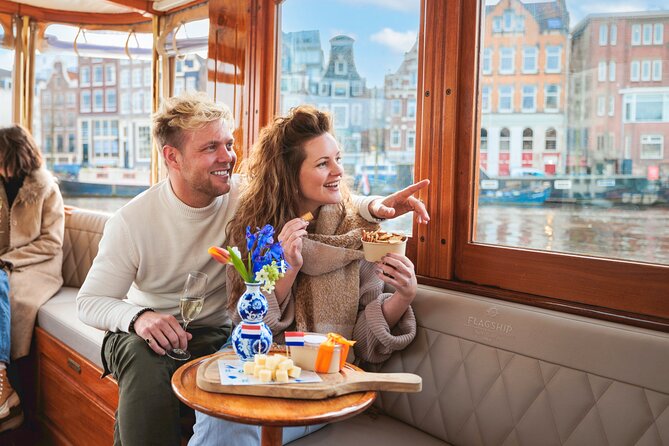
- Optional bubbles and bites can be great value if you want a drink-and-snack outing
- Boat variety is real: different vessels can change the look and feel of the cruise
- Chilly water weather can affect comfort, so warm layers are not optional
Why This 1-Hour Canal Cruise Fits Real Amsterdam Schedules
Amsterdam can swallow your day fast. Between museums, neighborhoods, and biking your way into exhaustion, it’s easy to run out of time. This cruise keeps it simple: about an hour on the water, with a live guide and a route focused on the canal ring.
The value here is not just the canal scenery (though yes, it’s gorgeous). It’s the way the cruise adds structure. Instead of wandering around trying to connect names like Prinsengracht, Jordaan, and Spiegelgracht, you hear what they mean while you’re moving through them. That’s a big win when you want your first-day bearings fast.
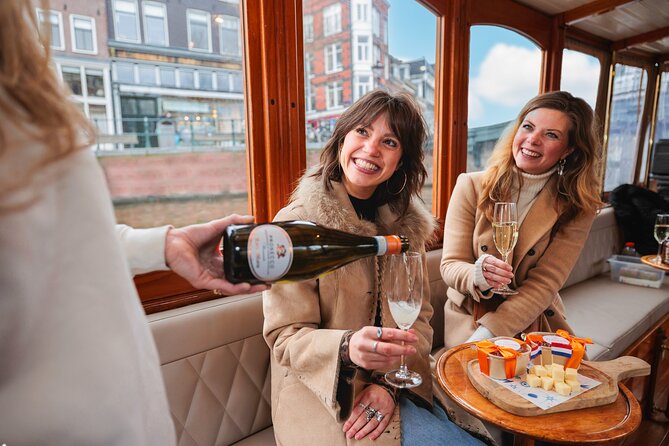
And if you pick the bubbles-and-bites option, you’re not stuck doing the classic tourist thing of taking a photo and moving on. You can linger in the moment with a glass in hand and something salty or cheesy to nibble. One positive takeaway that keeps coming up is how consistently people felt the drinks were going, which matters when you’re paying for the “optional extras” experience.
You can also read our reviews of more boat tours in Amsterdam


Boarding at Prinsengracht 263: Anne Frank’s Neighborhood as Your Starting Line
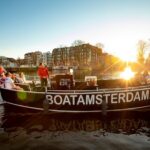
You start at Prinsengracht 263, right in front of the Anne Frank House. That matters because this area isn’t just a pretty canal façade. It’s tied to a very human story, and the cruise’s narration typically anchors you there before it fans out into the wider canal network.
From this point, the cruise is set up for two kinds of travelers:
1) those who want a quick orientation around central Amsterdam’s most famous waterways
2) those who already have museum plans but want a memorable, low-effort way to see the city between stops
One practical detail: there’s a fairly big step to get into the boat, and stewards will assist. So if you’re traveling with mobility limitations, plan to take that step slowly and expect staff help.
The Prinsengracht Focus: Jordaan, the Tree-and-Flower Streets, and the Canal Ring Story
The route leans heavily into the Prinsengracht, and the guide framing makes it more than just “pretty houses.” You’ll hear theories about the name of the Jordaan—including the link to the French word Jardin (garden) and the idea that nearby street and canal names connect to trees and flowers.
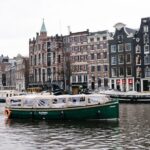
Then the cruise moves through the heart of the canal district—part of the Grachtengordel (the famous canal belt). This matters because Amsterdam’s 17th-century canal system was designed as concentric belts, and the UNESCO listing is tied to that planned, historic layout. The cruise is your shortcut to understanding why the canals are so central to the city’s identity.
If you want a visual list of what you’re “supposed” to look for, this is where the cruise helps most. You pass classic canal views, historic facades, and the kind of water-level urban design that’s hard to fully appreciate from a sidewalk.
Negen Straatjes and Canal-Era Neighborhoods: What You’ll Notice When You Glide Past
As you cruise, you’ll hear about de negen straatjes—the Nine Streets area. It’s one of those Amsterdam pockets that feels built for browsing: small streets and storefront energy rather than big-city shopping blocks.
The upside of seeing it from the water is scale. From street level, it’s easy to get distracted. From the canal, you’re reminded how the neighborhood’s identity is tied to its waterways and tight grid.
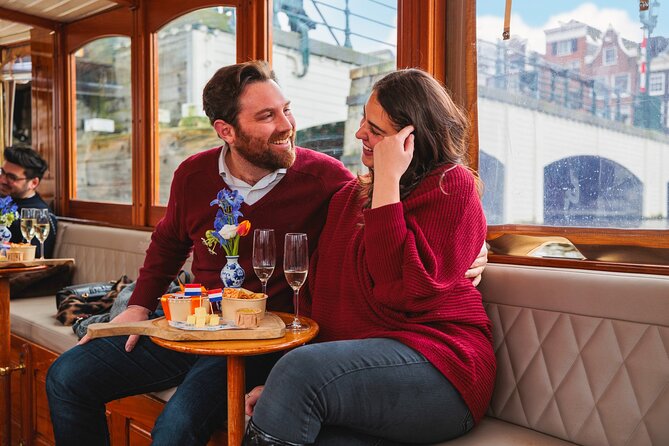
One downside is also worth knowing: if you’re hoping for a quiet, romantic “only the two of us” vibe, this is central Amsterdam. Canal views here attract crowds, especially later in the day. That doesn’t ruin the experience, but it changes the mood.
Leidseplein Passing: Nightlife Energy Seen from Water
The cruise passes Leidseplein, a central square known today for nightlife. The narration also connects it to history—this square was once the end of a road from Leiden and even served as a parking lot for horse-drawn traffic.
Seeing Leidseplein from the canal is a good reality check. You get that “Amsterdam never stops” feeling without having to stand in the middle of the noise. If you’re tired from walking, it’s a gentle way to keep moving while still taking in an energetic part of town.
If you’re sensitive to crowds or loud atmospheres, pick your timing wisely. Early slots tend to feel calmer than peak nightlife hours, even if you’re still in a central area.

Rijksmuseum Views and Spiegelgracht: Art-Museum Grandeur Without the Museum Queue
One of the most satisfying moments on the route is the view of the Rijksmuseum from the Prinsengracht. The narration typically covers the museum’s timeline: it moved to Amsterdam in 1808, the current main building opened in 1885, and after major renovation, it reopened in 2013.
Even if you never step into the Rijksmuseum, you still get context. From the water, it’s easier to place the museum geographically and understand why this area feels like the “big stage” end of central Amsterdam. People love canal cruises here because the city’s architecture reads so clearly from the waterline.
Nearby, you’ll also hear about the Spiegelgracht, connecting the Prinsengracht with the Lijnbaansgracht and running toward Nieuwe Spiegelstraat. The Spiegelkwartier area (with galleries and antique shops) is the kind of place you could lose an afternoon to—so it’s a nice bonus that the cruise points you toward it.
Amstel and Its Bridges: The City’s Founding Waterway

The narration doesn’t stop at the canal ring. It also zooms out to the Amstel, described as the biggest canal and the origin of Amsterdam itself. The story you’ll hear is that Amsterdam began as a river settlement, and a dam helped shape the city’s growth.
From there, the cruise includes sights associated with the Amstel’s main crossings and landmarks. You may pass or view:
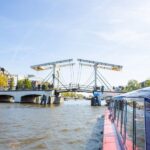
- Magere Brug (Skinny Bridge), a narrow wooden drawbridge tradition that later had a wider replacement
- the area around Hermitage Amsterdam, on the banks of the Amstel in the former Amstelhof (from 1681)
- viewpoints tied to Blauwbrug, connecting areas around Rembrandtplein and Waterlooplein
Bridges are where canal cities feel like canal cities. The water gives you a “line of sight” that streets can’t. When you’re on the boat, you naturally clock where one neighborhood hands off to the next.
Westerkerk, Carré, and the Theatre Axis: More Than Churches and Pretty Facades

A very Amsterdam aspect of the city is how religion and the arts sit side by side. As you cruise, you’ll hear about:
- Westerkerk (Western Church), a Reformed church near the Jordaan between the Prinsengracht and Keizersgracht
- Royal Theatre Carré, a neo-Renaissance theatre originally meant as a permanent circus building and now used for musicals, cabaret, and concerts
This part of the route is a reminder that canal cruising is not only about aesthetics. It’s also a way to see the city’s cultural layout—how theatres, churches, and major roads cluster within short distances.
If you love architecture and want to keep your day relaxed, it’s a good match. You don’t have to choose between sightseeing and spending energy.
Stopera, Opera, and Zuiderkerk: The City’s High-Culture and Protestant Past
The cruise also connects you with major cultural landmarks, including the Dutch National Opera (now based at the Dutch National Opera & Ballet in the Stopera building). You’ll hear that this modern structure opened in 1986 and was designed with the theatre’s role in mind.
Next to that, the narration includes Zuiderkerk, noted as the first Protestant church designed for worship in Amsterdam. Again, it’s not a museum visit, but the guide helps you read the skyline as a set of time periods.
This is one place where live narration adds real value. Without it, you might just see towers. With it, you start to recognize which part of the city is old, which is modern, and what each landmark is trying to say.
Jordaan-to-City-Center Micro-Stops: Cheese, Brewery Culture, and the Food-Lifestyle Mix
The cruise’s narration also swings toward what’s fun and very Dutch-familiar: food and drink culture. You may hear about the Amsterdam Cheese Museum, including the idea of dressing up like a traditional cheese farmer and tasting Dutch cheese. It’s the kind of quirky stop that people either love or ignore—on a cruise, it’s safely optional because you’re not committing to a separate visit.
You’ll also hear about Brouwerij ’t IJ, a small organic brewery in Amsterdam located in a former bathhouse by De Gooyer windmill. This is the kind of place that gives locals a social hangout, and even if you don’t stop in, it helps explain why beer culture feels normal here, not touristy.
If you take the bubbles-and-bites add-on, this theme lands better. Drinks plus a food-story background makes the cruise feel like a themed night out, not a formal sightseeing duty.
Zeedijk, De Wallen, and the Reality Check on Red-Light Amsterdam
The route’s storytelling can include Zeedijk, bordering the De Wallen red-light district, and the idea that the area has shifted from a past tied to crime and drug addicts to something more revitalized. The narration may also frame Zeedijk as the Chinatown street where locals come to eat.
The cruise can also address the Amsterdam Red Light District more directly—its reputation, its shift in atmosphere, and the practical reality that it tends to feel less dangerous than old stereotypes suggest.
This is not a “moral lecture” sort of tour part. It’s more like a cultural orientation: Amsterdam is complicated, and the canals sit right next to everyday life that ranges from museums to nightlife.
If you prefer strictly “storybook Amsterdam,” you might find these segments less romantic. But for many people, it’s exactly what makes the canal belt feel real.
Jewish Historical Museum and Old-City Squares: Learning the City’s Layers from the Water
The itinerary includes mention of the Jewish Historical Museum, located in the old Jewish neighborhood area (Jonas Daniël Meijerplein). It’s also paired with references to nearby central spaces like Nieuwmarkt, Rokin, and the Singel channel system that once served as a city moat before Amsterdam expanded beyond it.
These are not things you’d catch by staring only at canal houses. From the boat, the guide can connect geography to history in a way that makes your city map clearer after the cruise is over.
If you’re trying to decide what else to add to your day, this is helpful. It’s the moment you might realize you want to walk back to one of these neighborhoods after you’ve seen the bigger shape of the city.
Final Coast of Sights: Maritime, Flowers, Photography, and Pop Culture Nodes
The cruise’s narration may mention additional major Amsterdam institutions and areas such as:
- the National Maritime Museum (described as one of the largest maritime collections in the world, with around 400,000 objects)
- the Amsterdam Flower Market, described as the only floating flower market in the world
- Foam, a photography museum on the Keizersgracht with changing exhibitions
- Melkweg, a pop venue and cultural center in a former sugar refinery/milk factory setting
- Paradiso, a pop venue near Leidseplein
All of this can feel like a lot for a one-hour ride. The trick is to treat it as a menu, not a checklist. The cruise doesn’t replace those visits. It helps you decide which direction to walk next.
And it’s also a good reminder of something practical: Amsterdam isn’t one vibe. It’s many. The canal belt is the thread connecting them.
Bubbles and Bites: How the Optional Add-Ons Change the Mood
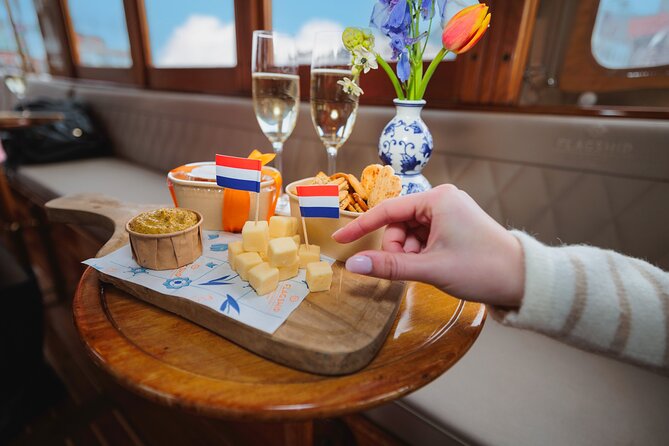
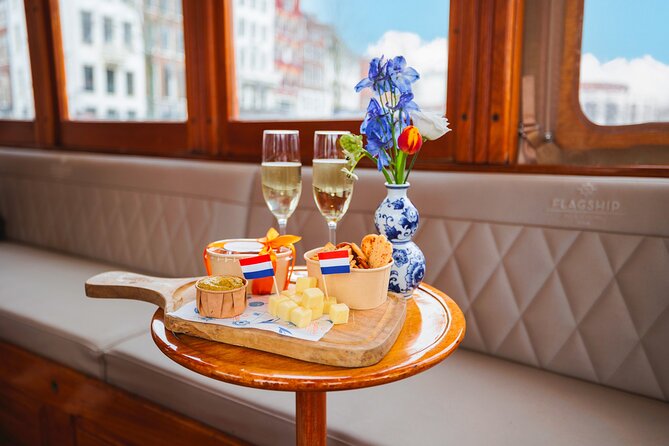
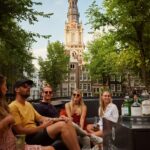
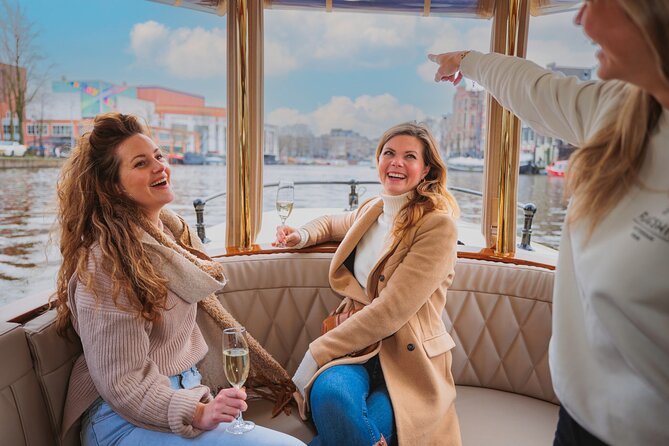
This tour has two optional extras: alcoholic beverages (unlimited bubbles if you choose) and snacks (one serving of bites if you choose). If you’re the type who enjoys a drink with a view, this is where the cruise can feel special.
The most positive feedback patterns you can take seriously here:
- People liked the bites being genuinely good, not just a token snack
- People emphasized that glasses of bubbles were kept flowing during their sailing
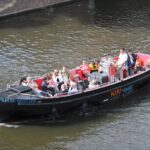
Now for the balanced part. Some unhappy experiences pointed to mismatches between what they expected and what they received, including missing bubbles/bites, crowding, and even differences in the boat itself (including plastic cups rather than what they expected). There’s also the general reality that the cruise operator runs a range of boats in the fleet, so the exact look and setup can vary.
So here’s the practical takeaway for you: if bubbles and bites are the reason you’re booking, double-check the option you select before you go, and keep a flexible mindset about the boat style. The canal views and live narration can still be worth it even if the party vibe isn’t identical to what you pictured.
Practical Stuff That Makes or Breaks the Experience
A few details really affect how it feels on the day:
- Weather on the water: it can be colder than you expect, and rain can fog windows. Bring warm clothing even if the morning looked mild.
- Access to the boat: there’s a big step, and stewards assist, but you’ll still want to plan for it.
- Group size: the tour has a maximum of 40 travelers, which usually keeps things from feeling huge, but you can still have a social crowd.
- Atmosphere: the cruise is not designed as a private couples-only escape. Some people want a quiet romance; others want drinks and conversation. If you want maximum romance, choose a quieter time slot and expect a mixed crowd.
One more small comfort note: service animals are allowed, and the meeting area is near public transportation. That makes it easier to fit into a day without overplanning.
Who This Tour Is Best For (and Who Should Skip It)
This cruise is ideal if:
- you have one hour to spare and want the canal ring to make sense
- you like a guide who explains what you’re seeing, not just scenery
- you want optional drinks and snacks to make a short outing feel like a treat
I’d be cautious if:
- you’re expecting a strict couples-only “romantic bubble” with no crowd
- you’re booking primarily for bubbles and bites and you know you’ll be upset if the setup feels different
- you travel with very limited tolerance for foggy windows or cold weather
Should You Book This Amsterdam Canal Cruise?
If you want a time-efficient, guide-led canal orientation, I think this is an easy yes. The route is built around the places you actually want to connect in your head—Prinsengracht, Jordaan, the UNESCO canal-ring context, and standout landmark views like the Rijksmuseum area.
Book it especially if you’ll choose the bubbles and bites option and you’re happy with a social, not silent, vibe. If you want romance above all else, go with realistic expectations: pick a calmer time, dress for the water, and treat it as a fun Amsterdam canal evening rather than a private date boat.
FAQ
Where does the cruise start?
The tour starts in front of the Anne Frank House on Prinsengracht 263, Amsterdam, and it ends at the same location.
How long is the Amsterdam canal cruise?
It runs for about 1 hour.
Is there live commentary during the cruise?
Yes. The tour includes a local live guide.
Is the tour available in English?
Yes, the tour is offered in English.
Are bubbles and snacks included?
Alcoholic beverages are included only if you choose the bubbles option, and snacks are included only if you choose the bites option.
What is the maximum group size?
The tour has a maximum of 40 travelers.
What should I wear for the cruise?
It can be colder on the water than you expect, so bring warm clothing.
Are tips included?
No, tips are not included.
Is the cruise refundable if my plans change?
Yes. You can cancel up to 24 hours in advance for a full refund.