REVIEW · AMSTERDAM
Amsterdam Classic Canal Cruise with Live Guide and Open Bar
Book on Viator →Operated by Boat Amsterdam · Bookable on Viator
A canal cruise in Amsterdam always sounds good. This one adds an open bar and a live English guide, so you get fun and context fast. I like how the route hits the major waterways while keeping the vibe relaxed, and I also like that most stops are marked as free admission, so you’re not hit with surprise entry fees. The main catch is time: it’s about an hour, and Anne Frank House isn’t included, so it’s not the kind of tour that fully replaces booking that visit.
You’ll cruise with a guide and a small-ish group (max 36), which makes it easier to ask questions. In particular, names like Olaf and Valtar come up for friendly, question-friendly hosting, which matters on a city this packed with canals and stories. Just keep your expectations realistic: one hour is great for orientation and views, not for deep museum wandering.
In This Review
- Key Things I’d Plan for Before You Board
- A One-Hour Canal Cruise That Gets You Oriented
- Price and What You’re Really Paying For
- Small-Group, Live-Guide Energy (and Why It Matters)
- Route Highlights: From Amstel Views to Skinny Bridge Photos
- Stop-by-Stop: What Each Area Is Good For
- The Amstel River: Your First Big Mental Picture
- Herengracht: Canal-Front Architecture Watch
- Prinsengracht: The Walkable City Comes Into Focus
- Anne Frank House Area: A Short Time Check
- Tassenmuseum Amsterdam: A Fun Detour for Oddball Interests
- The Cat Cabinet: Whimsical and Likely Easy to Like
- 9 Little Streets (Negen Straatjes): For the Walk-and-Browse Mood
- Museum of the Canals: When You Want the City to Explain Itself
- Houseboat Museum: See the City Through a Different Home Lens
- Huis Bartolotti: A Canal-House Stop That Feels Like a Time Capsule
- Westertoren: A Tower That Helps You Read the Skyline
- Amsterdam Pipe Museum: A Quirky Museum Stop That Breaks the Pattern
- H’ART Museum (Hermitage Museum): For People Who Like Art Stops
- Magere Brug (Skinny Bridge): The Photo Moment
- What to Expect on Board: Drinks, Questions, and a Realistic Time Box
- Who This Cruise Fits Best
- Should You Book? My Straight Answer
- FAQ
- How long is the Amsterdam Classic Canal Cruise?
- Is the tour guided, and what language is it in?
- Is the open bar included?
- How many people are in the group?
- Are museum or attraction admissions included at every stop?
- Is Anne Frank House admission included?
- Do I need a paper ticket?
- Is service allowed on this tour?
- What is the cancellation window?
Key Things I’d Plan for Before You Board
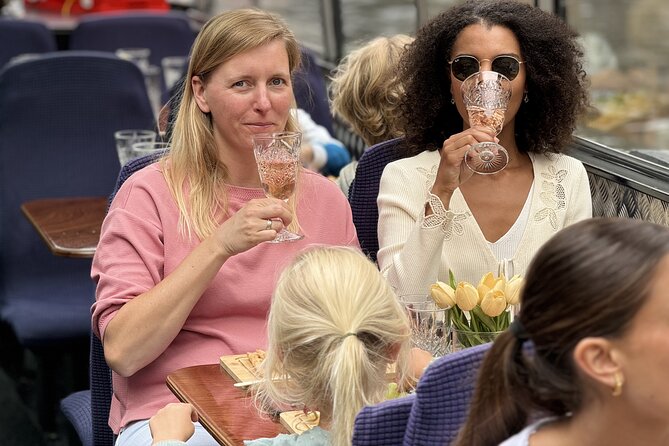
- Open-bar drinks onboard: it keeps the mood easy while you’re learning what you’re seeing.
- Small-group feel (up to 36): you’re less likely to get lost in the crowd and more likely to ask questions.
- A guided route through the big canals: Amstel River, Herengracht, and Prinsengracht get you a strong first pass.
- Most stops are marked free admission: budgeting stays calmer, except for Anne Frank House.
- A quick look at famous landmarks: including Magere Brug (Skinny Bridge) at the end.
A One-Hour Canal Cruise That Gets You Oriented
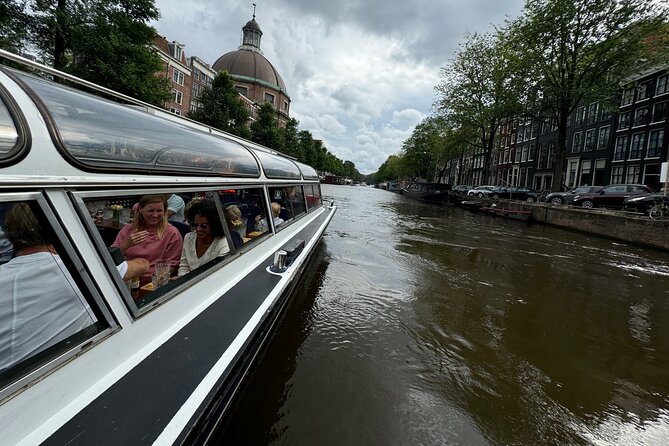
Amsterdam can feel like a maze at first. That’s exactly why a guided canal cruise is such a good move on day one. In about an hour, you’re not just watching water and bridges—you’re getting a structured loop through the waterways that shaped the city.
The format is especially handy if you’re short on time. One hour doesn’t sound like much until you realize that you also want time for walking, food, and photos. This cruise hits a sweet spot: long enough to see multiple iconic areas, short enough that you won’t feel trapped on a boat all day.
And the live English guide matters. Even when you know you’re in a pretty city, guidance helps you notice what to look for—bridge angles, canal-house styles, and the way neighborhoods “line up” along the water.
You can also read our reviews of more boat tours in Amsterdam



Price and What You’re Really Paying For
At $30.98 per person for roughly an hour, the value depends on what you’d do otherwise. If you were planning to spend money on a ticketed canal cruise anyway, the open bar changes the math. Instead of paying just for the boat, you’re paying for the boat plus drinks plus interpretation in one package.
Also, many stops on the route are listed with free admission. That’s a big deal in Amsterdam, where small museum tickets can add up fast. The tour gives you more chances to connect the city’s sights to places you can step into—without the same level of cost pressure.
There is still one clear cost consideration: Anne Frank House. That stop is short and the admission ticket is not included, so if that’s a priority for you, you’ll need separate planning.
Small-Group, Live-Guide Energy (and Why It Matters)
A max group size of 36 is big enough that the boat won’t feel empty, but small enough that you’re usually not shouting across a stadium. For me, that’s where the quality lives: you can hear the guide, and you can ask a question without feeling like an interruption.
The guide team is part of the appeal. Olaf and Valtar are specifically highlighted for being friendly hosts and for sharing details you can actually use. When someone can answer follow-ups, you start seeing Amsterdam in layers instead of just snapshots.
One practical bonus: the tour uses a mobile ticket. You’re less likely to get stuck hunting for paper when you’re already on foot in the canal district.
Route Highlights: From Amstel Views to Skinny Bridge Photos
This cruise moves along the city’s key waterways—starting with the Amstel River and then working through the famed canals Herengracht and Prinsengracht. Those names aren’t trivia. They map the city’s layout and help you understand why Amsterdam looks the way it does: long, orderly stretches of water lined with history-heavy canal houses.
By the time you roll toward Magere Brug (the Skinny Bridge), you’re usually in full “yes, this is Amsterdam” mode. It’s the kind of view that turns your photos from generic bridge shots into recognizable landmarks.
And along the way, the route also threads through museum and neighborhood areas that give you a sense of what you could explore next—like the Negen Straatjes area (9 Little Streets) and a handful of distinctive museums.
Stop-by-Stop: What Each Area Is Good For
Here’s how I’d think about each stop, based on what the route is designed to show.
You can also read our reviews of more guided tours in Amsterdam
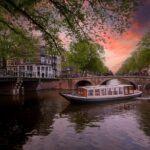



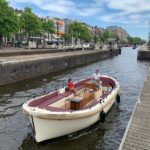
The Amstel River: Your First Big Mental Picture
Starting on the Amstel is smart. You get a wide-feeling approach and a clear sense of the city’s water geography right away. If you’re trying to orient yourself, the Amstel is a great opener because it sets the stage for the more “designed” canal stretches that follow.
Herengracht: Canal-Front Architecture Watch
When you pass along Herengracht, keep your eyes on the canal houses. Even if you don’t know building dates or architectural terms, you can still see patterns—how the facades face the water and how the bridges and crossings structure the sightlines.
Prinsengracht: The Walkable City Comes Into Focus
Prinsengracht helps connect your boat views to what you’ll later want to walk. This is where the cruise starts to feel like a map, not just scenery. You’ll likely notice how neighborhoods “stack” around the water, which makes later exploring less guesswork.
Anne Frank House Area: A Short Time Check
The stop at Anne Frank House is brief—listed at about 5 minutes—and admission is not included. This isn’t meant to be your replacement visit. It’s more of a quick, respectful moment and a chance to see the area before you make a separate plan.
If Anne Frank House is on your must-do list, treat this as a teaser. You’ll want to plan an actual entry visit separately so you’re not crunched on time.
Tassenmuseum Amsterdam: A Fun Detour for Oddball Interests
Tassenmuseum Amsterdam is a niche stop built for people who like quirky concepts. The fact that it’s listed as free admission makes it more tempting, because you can give it a try without that added hesitation of a paid ticket.
Even if you don’t go inside, it’s a nice contrast to the grander-sounding landmarks. Amsterdam can be deep and historic, but it’s also playful.
The Cat Cabinet: Whimsical and Likely Easy to Like
The Cat Cabinet is the kind of stop that makes the cruise feel less like a checklist and more like a curated stroll through character. Since it’s marked free admission, it’s an easier choice if you’re the type who loves small, unusual museums.
9 Little Streets (Negen Straatjes): For the Walk-and-Browse Mood
The Negen Straatjes area is built for wandering. This is where you can shift gears from boat viewing to future street exploring. If you enjoy boutique browsing, canalside cafés, or just walking slowly through pretty streets, you’ll understand why this area is a favorite.
The key here is mindset. Use the stop as a cue for what to do next after your cruise ends.
Museum of the Canals: When You Want the City to Explain Itself
The Museum of the Canals works best if you want the canal system to feel less like a pretty accident. Even a quick visit can give you a better framework for understanding why Amsterdam’s water matters so much.
Because admission is listed as free, this is one of those stops that can upgrade your cruise into a more meaningful introduction.
Houseboat Museum: See the City Through a Different Home Lens
The Houseboat Museum is a good mental reset. Instead of thinking only about buildings on land, you’re looking at life shaped by water. It’s the kind of angle that makes your canal cruise feel personal, not just scenic.
If you like everyday-life museums—small, specific, and human—this one tends to land well.
Huis Bartolotti: A Canal-House Stop That Feels Like a Time Capsule
Huis Bartolotti is one of those canal-side names that sounds like it belongs to the “how people lived” side of Amsterdam. It’s listed as free admission, so it’s an inviting option if you like exploring interiors rather than only looking at facades.
Westertoren: A Tower That Helps You Read the Skyline
Westertoren adds vertical reference points to the flat-feeling experience of cruising. Towers and church spires are how you later “find” places by sight. If you plan to walk the area after the cruise, this stop helps you remember where you are.
Amsterdam Pipe Museum: A Quirky Museum Stop That Breaks the Pattern
The Amsterdam Pipe Museum is another oddball entry, and that’s part of its appeal. When a route includes something unexpected, the day feels less rehearsed. Since it’s marked free admission, it’s easier to take the curiosity route.
H’ART Museum (Hermitage Museum): For People Who Like Art Stops
H’ART Museum (Hermitage Museum) is the kind of stop that helps if you want art without committing to a whole museum day. Because it’s listed as free admission, it’s a chance to see how the tour blends art into the canal theme.
Magere Brug (Skinny Bridge): The Photo Moment
Finishing near Magere Brug is a smart way to wrap. It’s a recognizable landmark, and the lighting and reflections on the canal usually make for the kind of final photos you’ll be glad you took.
If you want a clean camera moment, give yourself a few extra seconds before you rush off afterward.
What to Expect on Board: Drinks, Questions, and a Realistic Time Box
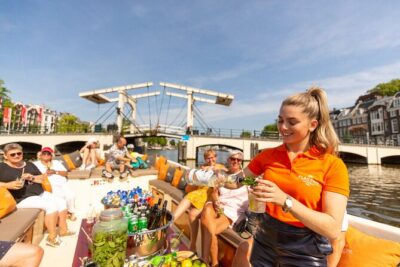
Expect a guided cruise with drinks served as part of the experience. That open-bar angle isn’t just about fun—it also lowers the friction of enjoying the ride. You’re more likely to relax, talk, and listen to the guide instead of staring at the clock.
The one-hour time box does shape everything. You’ll get a strong overview, but you won’t get museum-grade time at multiple locations unless you plan to come back later. That’s not a failure. It’s the point.
The best approach is to let the cruise do what it’s good at: help you map Amsterdam in your mind. Then choose one or two places to return to on foot.
Who This Cruise Fits Best
This is a great match if:
- You want a fast Amsterdam orientation without stress.
- You like guided storytelling but don’t want a long day trip.
- You enjoy museum hopping in smaller doses.
- You’d rather spend $30-ish on a boat experience than spend hours researching route details.
It’s also a solid pick for couples, small groups of friends, and anyone traveling solo who wants an easy social format.
If you’re the type who wants to spend most of the day inside major museums, you’ll likely see this as step one, not step three.
Should You Book? My Straight Answer
I think you should book this cruise if you want a guided, small-group canal experience with drinks and a route that gives you plenty of ideas for what to do next. The value feels strongest when you care about orientation and like the idea of mixing scenic canal views with quick access to areas that are listed as free admission.
Don’t book it if Anne Frank House is your main mission and you’re hoping this tour fully covers it. The stop is short and the admission isn’t included. In that case, book the cruise for orientation and plan Anne Frank House separately.
FAQ
How long is the Amsterdam Classic Canal Cruise?
The cruise is about 1 hour.
Is the tour guided, and what language is it in?
Yes, there is a live guide, and it’s offered in English.
Is the open bar included?
The experience is described as having an open bar, and drinks are served on board.
How many people are in the group?
The tour has a maximum of 36 travelers.
Are museum or attraction admissions included at every stop?
Most stops are listed with free admission. Anne Frank House is specifically noted as not included.
Is Anne Frank House admission included?
No, admission to Anne Frank House is not included, and the stop is short (about 5 minutes).
Do I need a paper ticket?
No. You get a mobile ticket.
Is service allowed on this tour?
Service animals are allowed.
What is the cancellation window?
You can cancel for free up to 24 hours in advance for a full refund.