REVIEW · PANGKALAN BUN
2Ns Orangutan Kelotok Tour in Tanjung Puting Kalimantan – Borneo
Book on Viator →Operated by Borneo Primate Tours · Bookable on Viator
Watching orangutans from a kelotok makes the rainforest feel close, not staged, and this trip pairs that boat travel with two important visiting stops. What I like most is the English-speaking guide who actively helps you spot animals, plus the included meals and admission so you’re not doing math at every landing. One thing to consider: this is a wildlife-focused outing, so nature (and river conditions) decides what you see and when.
You’ll cruise through the Sekonyer River area on a local-style houseboat, then land at places tied to rehabilitation and research. Two highlights I especially value are the stop at Tanjung Harapan and the chance to visit Camp Leakey, where Prof. Birute MF. Galdikas started her orangutan study work in the early 1970s. A practical drawback to plan around is that the tour lists extra items not included like drone permits and filming/handy-cam access, so if you rely on that gear, check first.
In This Review
- Key points to know before you go
- From Pangkalan Bun into Tanjung Puting by kelotok
- The value in the $444 price: what’s actually included
- Day 1: Tanjung Harapan and the “rehab first” perspective
- Day 2: Camp Leakey on the Sekonyer Kanan side creeks
- Day 3: Back down toward Kumai and Pangkalan Bun
- Who will enjoy this tour most (and who should think twice)
- A realistic sense of what you’ll see (besides orangutans)
- Tips for getting the most out of your kelotok nights
- Should you book this orangutan kelotok tour?
- FAQ
- What is included in the tour price?
- What stops does the tour include?
- Are there toilets on the kelotok?
- Is a vegetarian meal option available?
- What is not included?
- What is the cancellation policy?
Key points to know before you go
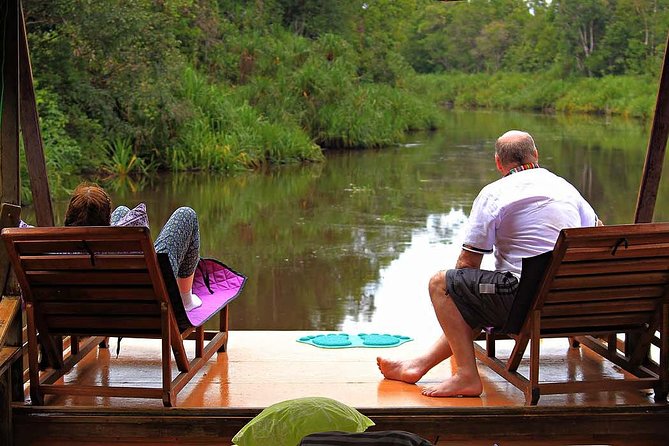
- Kelotok comfort plus Western-style toilets: you’re on the river, not in a roughing-it camp.
- Two major orangutan-focused stops: Tanjung Harapan and Camp Leakey.
- Guide-led wildlife spotting: you’re not just hoping; you’re looking with a local pro.
- All fees and admission included: entry costs are wrapped into the price.
- Meals and drinks included throughout: breakfast, lunch, dinner, snacks, plus water and soda/pop.
- Private group experience: it’s only your group, not a mixed crowd.
From Pangkalan Bun into Tanjung Puting by kelotok
If you want rainforest animals, you need time on the water. This tour uses a kelotok, a houseboat built for slow river travel, which is exactly what works in Tanjung Puting. Fast boats can cover distance, but a kelotok lets your guide scan the riverbanks and side areas as conditions change.
You’ll start from Pangkalan Bun and then work your way into the river system (including Kumai and the Sekonyer River area). Along the way, you should expect chances to see riverfront life and wildlife movement. The big win here is pacing: you’re not constantly loading and unloading. The boat is your base, and that makes the spotting part of the trip feel more natural.
Onboard, comfort is handled in a practical way. You get accommodation with a sleeping bed and mosquito net, plus Western-style toilet facilities. That combination matters more than it sounds when you’re spending long hours in a humid rainforest environment. It also means you can focus on the wildlife instead of dealing with constant logistics.
And you’ll have a good English-speaking guide. That’s key for orangutan trips because you don’t just want to see a silhouette in the trees—you want help understanding what you’re looking at: which species, why they’re there, and what the rehabilitation or research work is trying to accomplish.
The value in the $444 price: what’s actually included
At $444 per person, this isn’t a budget day trip. But the value comes from what’s wrapped in: you’re paying for the boat accommodation, a private setup, a guide, and the admission fees for the main orangutan sites. You’re also getting meals and drinks across the whole schedule.
Here’s how it adds up in real-travel terms:
- Accommodation included on the kelotok (sleeping bed, mosquito net), so you’re not hunting for a hotel night.
- Meals included: breakfast, lunch, dinner, plus snacks.
- Drinks included: coffee and/or tea, soda/pop, and bottled water.
- All fees and taxes included, which removes a common travel headache in parks and guided programs.
What’s not included is also clearly stated: personal expenses, alcoholic drinks, insurance, and any filming-related items like handy-cam/filming and a permit for flying a drone. If you plan to film a lot or fly a drone, those extras can matter. If not, this package structure is usually the kind of all-in setup that makes a rainforest trip feel smooth.
Also note the vibe: the trip is listed as a private tour/activity, meaning it’s only your group. That tends to improve the experience if you care about having time with the guide for questions and spotting without a constant shuffle of strangers.
Day 1: Tanjung Harapan and the “rehab first” perspective
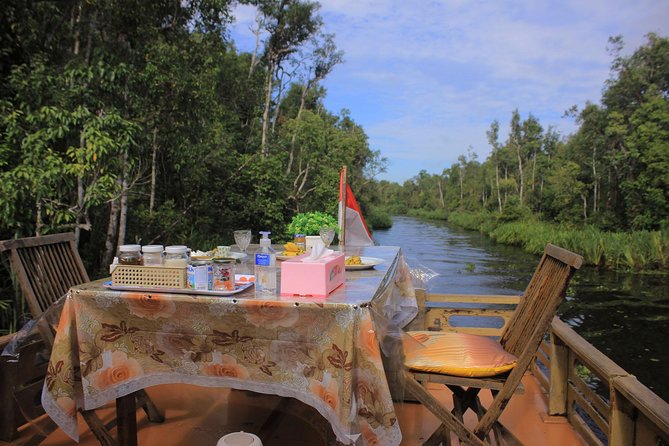
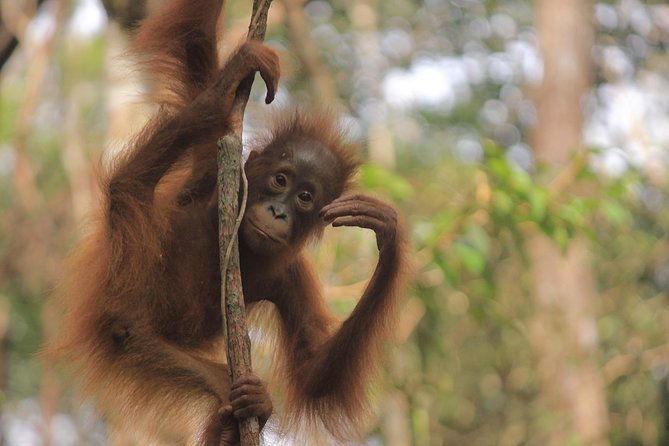
Your first major stop is Tanjung Harapan Orangutan Rehabilitation Center. This is where you see the rehabilitation side of orangutan conservation up close. Instead of treating orangutans as just a photo subject, you get a chance to connect them to the long-term work that helps injured or orphaned animals recover and, in many cases, move toward a more natural future.
From the start, you’ll be on the river before you even reach the center. Leaving the Kumai River area and cruising toward the riverfront and onward to the Sekonyer River estuarine habitat helps set the scene. This is where you start to notice the rainforest shapes—tree types, exposed roots along water edges, and the dense mix of habitat that makes the region so productive for wildlife spotting.
Once you reach Tanjung Harapan, the experience becomes guide-led. This is one of the most praised parts of the tour style: you’re not wandering alone. The guide helps point out orangutans plus other animals you might spot around the area, including monkeys and crocodiles.
A small detail that I think is important: the trip is described as having Western-style toilet facilities onboard. That means you can handle a long day of spotting without feeling stuck between your comfort needs and the rainforest schedule. On a trip built around time outdoors, that practical comfort makes a noticeable difference.
The other “value” here is emotional context. Rehabilitation centers give you more than a sighting. You learn why these animals are being protected and what kinds of human interventions can help—without pretending it’s simple or quick.
Day 2: Camp Leakey on the Sekonyer Kanan side creeks
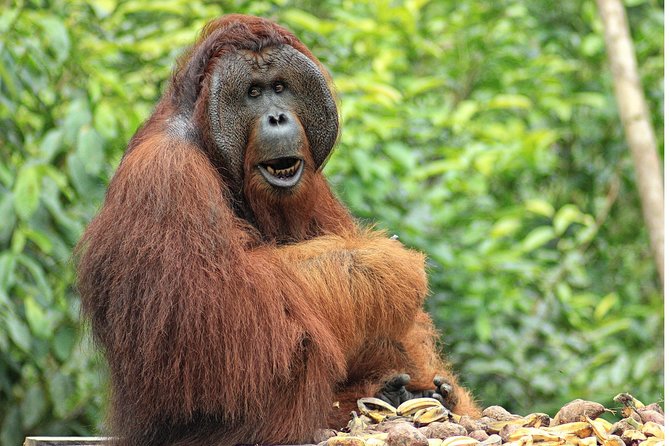
The second stop is Camp Leakey on the Sekonyer River, accessed via Sekonyer Kanan. This is where the story gets historical. Camp Leakey is tied directly to the study work of Prof. Birute MF. Galdikas, who began her research in the early 1970s.
I love this stop’s angle because it keeps your eyes open in two directions at once: you’re spotting animals, but you’re also seeing why the orangutan has become so well studied here. When you understand that there’s decades of research behind the conservation story, the sightings feel less random.
The boat route includes time cruising through side creeks described as tea-colored water. Even if you’re not a “river-ecology” person, you’ll feel the difference: slower, narrower channels tend to change what you can see, and they can also make the rainforest seem thicker. Those side creeks can be productive for spotting because wildlife often moves along edges and protected water margins.
This stop also leans into the tour’s broader wildlife targets. While orangutans are the main mission, you may see other species during the day and at the sites: proboscis monkeys, langurs, long-tailed macaques, and local birdlife. The guide’s job is to help you keep track of what you’re seeing so you don’t miss the small, quick moments—a branch movement, a warning call, or a brief animal appearance.
If you’re the kind of person who likes meaning behind what you’re seeing, Camp Leakey is a strong match. If you only care about one quick animal moment, it still delivers—but you’ll likely enjoy it more if you’re curious about conservation and science.
Day 3: Back down toward Kumai and Pangkalan Bun
After breakfast, you continue by kelotok down river toward Kumai, then onward back to Pangkalan Bun. The tour frames this as wildlife spotting not being over yet, and that’s the key idea for planning your expectations. The rainforest doesn’t switch off after the main stops.
This final stretch is often where you catch those calmer, almost effortless sightings. You’re moving slower than many travel days, and the river has time to “show you something.” Even the simple rhythm—coffee time, then a renewed scan of the banks—helps keep the trip from feeling like a checklist.
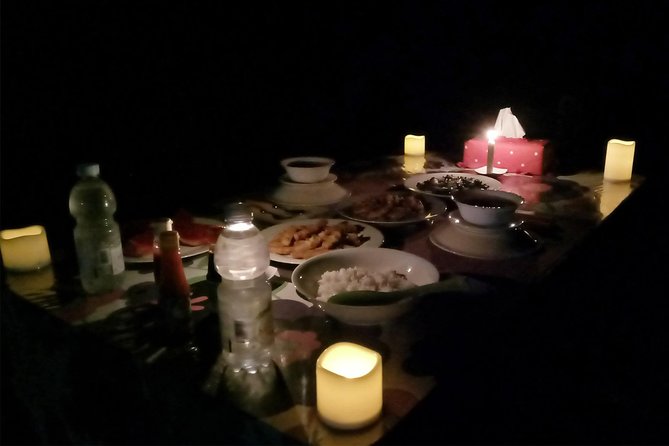
Because your meals are included through the whole program (breakfast is specifically mentioned for the final morning), you don’t have to worry about finding food during the last part of the cruise. That matters when you’re traveling through remote areas where schedules can be less flexible than city life.
It’s also a nice reminder that the journey itself is part of the experience. In rainforest travel, the boat route can be more than transport. It’s the stage where the wildlife reveals itself.
Who will enjoy this tour most (and who should think twice)
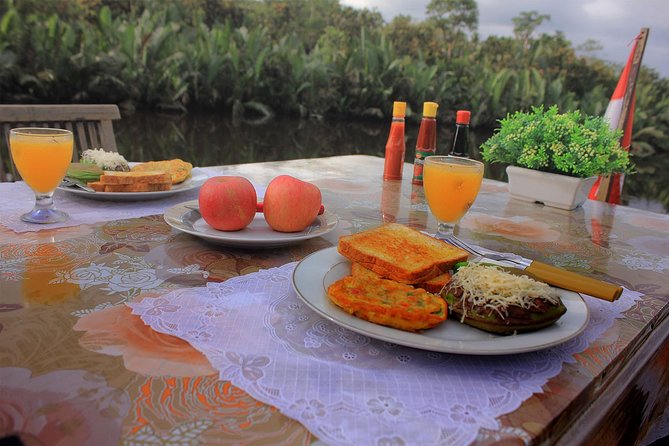
This is a great fit if you want a wildlife-first rainforest trip with conservation context, and you don’t want to manage logistics on your own. It’s especially suitable for:
- First-timers to Tanjung Puting who want a guide to interpret what they’re seeing
- People who prefer a slower, water-based itinerary over constant car transfers
- Anyone who likes orangutan conservation stories, not only animal spotting
- Small private groups who value having the guide’s attention
You might think twice if you’re extremely price-sensitive or you expect to customize everything. Some extras are not included—like alcoholic drinks, insurance, and filming/drone-related permissions—so you’ll need to plan around those if they matter to you.
Also, remember that this is an orangutan-and-river environment. That means humid conditions and long periods outdoors are part of the deal. The tour helps with comfort via onboard basics and toilets, but rainforest weather and animal timing are still outside your control.
One more personal note drawn from what you’ll read in the program’s tone: the trip clearly aims for a friendly, supportive experience. In one confirmed experience, the guide Darmin received specific praise, and that kind of guide quality usually translates into better animal-spotting because you understand what to look for and you don’t feel lost when the animals are far away.
A realistic sense of what you’ll see (besides orangutans)
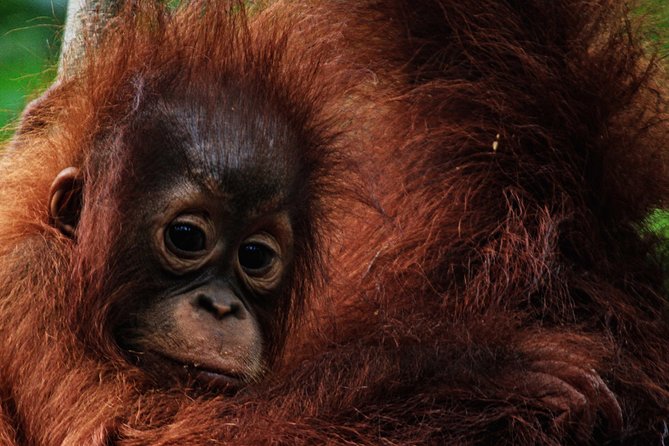
The tour is built around orangutans, and you visit both Tanjung Harapan and Camp Leakey for that reason. But the package is also designed for a broader rainforest outcome.
You might see:
- Orangutans at the orangutan-focused sites
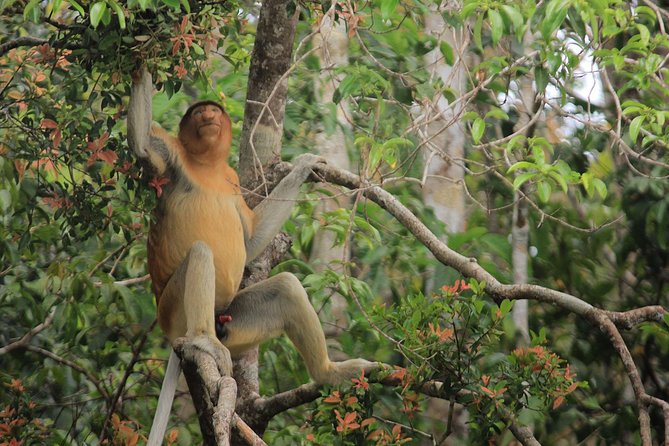
- Proboscis monkeys, langurs, and long-tailed macaques
- Crocodiles (the tour explicitly mentions the chance of spotting them)
- Local birdlife
The practical takeaway for you is this: don’t treat the trip like a single-thing hunt where success only means an orangutan close-up. In Tanjung Puting, the animals tend to show themselves in short windows. A good guide makes those windows easier to recognize and harder to miss.
And because the guide points out what you’re seeing, the experience becomes more than luck. You’re learning while you’re watching. That helps the trip feel meaningful even if your best view happens briefly.
Tips for getting the most out of your kelotok nights
You’ll be sleeping on the kelotok with a sleeping bed and mosquito net, so plan your expectations like a short, comfortable boat stay, not a luxury hotel night. The upside is that you’re physically in the right place for wildlife at the times it tends to move and feed.
Also, since meals are included (breakfast, lunch, dinner, plus snacks), you’ll want to treat food as part of the rhythm of the day. The coffee/tea and soda/pop provided make it easier to stay relaxed instead of waiting for your next meal stop.
If you care about dietary needs, the program states that a vegetarian option is available if you request it at booking. Do that early so the kitchen can plan.
Finally, if you have filming ambitions, keep in mind that handy-cam/filming and drone permits are not included. That’s a common spot where people get disappointed late—so think about what you plan to do before you arrive.
Should you book this orangutan kelotok tour?
If your goal is a 2-night, guide-led orangutan experience in Tanjung Puting, this tour is a strong candidate. The biggest reasons are straightforward: you get the right setting (kelotok river travel), two high-profile orangutan-focused stops (Tanjung Harapan and Camp Leakey), and enough comfort and included meals that you can focus on the wildlife.
I’d book it if you want conservation context plus a real rainforest feel, and you’re okay paying a mid-range price for admission, guide time, and onboard comfort. I’d think twice if you’re mainly chasing convenience features like lots of optional add-ons or if filming/drone plans are central to your trip.
FAQ
What is included in the tour price?
Meals and beverages (breakfast, lunch, dinner, snacks, coffee/tea, soda/pop, and bottled water), admission fees, all fees and taxes, the kelotok accommodation (sleeping bed and mosquito net), a good English-speaking guide, and private transportation.
What stops does the tour include?
Tanjung Harapan Orangutan Rehabilitation Center and Camp Leakey are the two main stops, with cruising along the Sekonyer River area, plus a final return route via Kumai.
Are there toilets on the kelotok?
Yes. The tour mentions Western-style toilet facilities on board.
Is a vegetarian meal option available?
Yes. A vegetarian option is available if you request it at the time of booking.
What is not included?
Personal expenses, alcoholic drinks, insurance, handy-cam/filming, and a permit for flying a drone.
What is the cancellation policy?
You can cancel for a full refund if you cancel at least 24 hours before the experience starts. Within 24 hours of the start time, refunds are not available.